Microsoft joins competitors in handing over AI models for advanced testing
US and UK government agencies will evaluate the firm's frontier models, along with those from Google and xAI


-
 How resellers can turn hybrid meeting pain into repeatable revenue
Industry Insights Reliable technology turns hybrid work frustrations into recurring reseller revenue opportunities
-
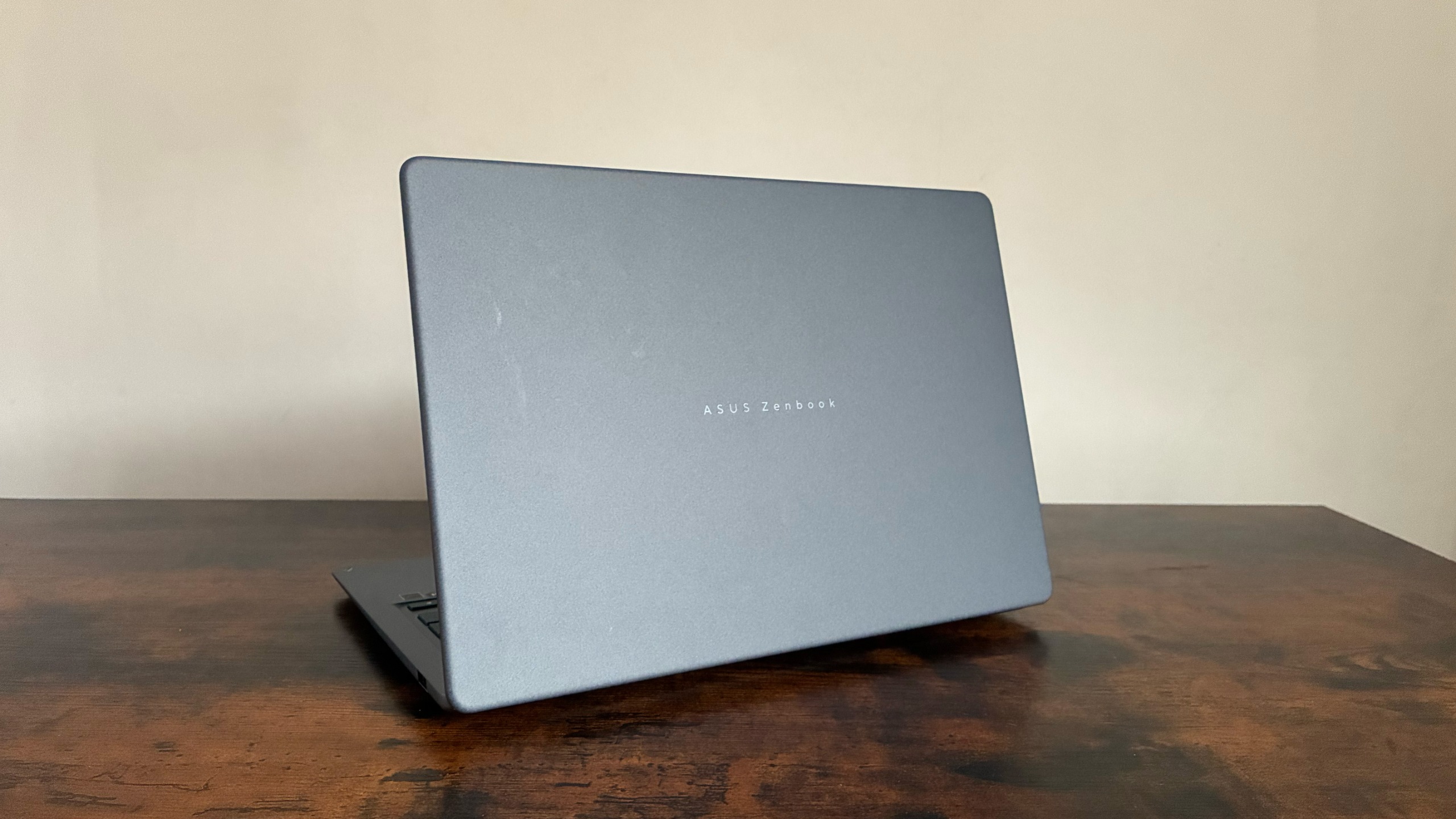 Asus Zenbook 14 (Snapdragon X UX3480Q) review
Reviews Poor battery performance and an older Snapdragon chip, but still a good choice for the office


-
 Google targets AI cost efficiency with new FinOps features for Gemini Enterprise
News New cost control features and subscription options for Gemini Enterprise look to bring down spiralling AI costs
-
 “Enterprises are becoming much more rigorous about the economics of AI”: Snowflake wants to help you cut AI costs by choosing the right model for the right task
News New dynamic model routing capabilities aim to help customers box clever when it comes to their AI model choice
-
 Google just spent $10 million in an auction for Spirit Airlines data – 100 million emails, 500 million Microsoft Teams chats, and 30 million lines of code will be used to improve AI models and products
News AI developers are struggling to find enough data to train their models, sparking a bidding war for failed Spirit Airlines deidentified data
-
 Can AI fight AI? Where the security gap still exists in cybersecurity, and how MSPs can help.
Industry Insights Why AI security is failing and how MSPs can close the gap
-
 Microsoft has joined the growing list of companies cracking down on ‘tokenmaxxing’
News The company is updating internal guidance to reduce rising costs
-
 After OpenAI-Hugging Face, how do IT leaders need to change the way they think about AI?
In depth The OpenAI-Hugging Face incident and Anthropic admission soon after have opened up new conversations about controls around AI. How should IT leaders change their thinking about the technology?
-
 Taking the myths out of Mythos - the role for the channel around AI and security
Industry Insights Agentic security and vulnerability management must be a proactive priority rather than a reactive response to a problem already there
-
 The OpenAI and Anthropic containment breaches are a bit spooky, but also quite silly
Opinion An AI leaving notes to future versions of itself is pure sci-fi; forgetting to lock down an environment is prosaic


