Meta engineer trusted advice from an AI agent, ended up exposing user data
The internal security incident exposed sensitive user data to unauthorized employees


-
 Private cloud 2.0: How businesses can achieve cloud-like operations without lock-in
Private cloud is more than capable of meeting surging modern data demands
-
 The modern data center upgrade: How can businesses build an intelligent foundation for what comes next?
Legacy IT infrastructure isn't equipped to handle the AI-enabled processes that modern enterprises will rely on – but here's how businesses can embrace the future


-
 AI agents could make living off the land attacks ‘much more dangerous’, says CrowdStrike Field CTO
Analysis Living off the land attacks are evolving rapidly as threat actors target agents with deep access to enterprise networks and sensitive data
-
 Databricks launches AI co-worker, Genie One
News The AI program is designed to help business teams manage workflows and automate work-related tasks
-
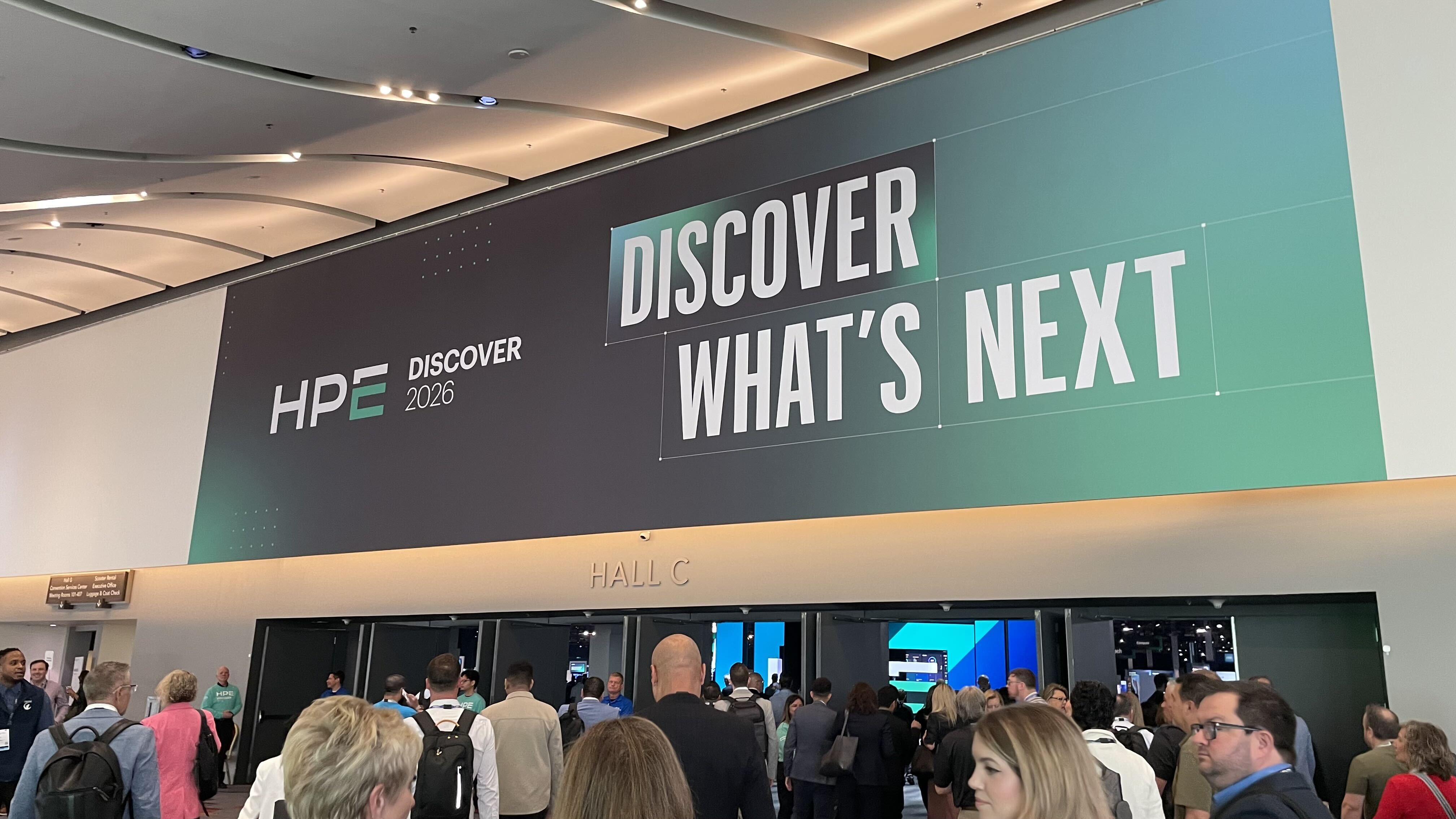 HPE AI Factory adds features to improve your experience with agents
News The HPE AI Factory will now offer the Nvidia Agent Toolkit software, such as Nvidia Nemotron open models and Nvidia NemoClaw
-
 Beyond "agent washing": how to build AI systems that actually deliver ROI
Sponsored Dell Technologies CTO and CAIO explains where enterprise AI is heading
-
 'Most enterprises are still unprepared to operationalize it': IT leaders are bullish on agents, but keeping falling at the final hurdle – here's why
News Forrester points to challenges scaling agentic AI, saying companies start rolling out the tech before they're ready to scale
-
 'One-size-fits-all' agent governance sets enterprises up to fail
News Gartner recommends a graded approach for agents, depending on their level of autonomy
-
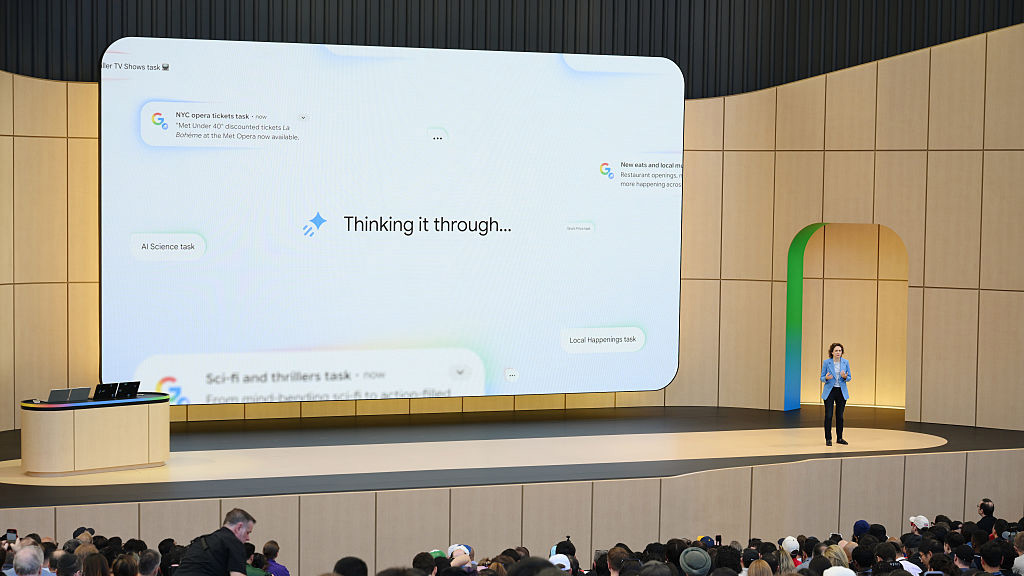 Google adds AI to the search box
News Major changes for how Google's search functions with the integration of AI tools
-
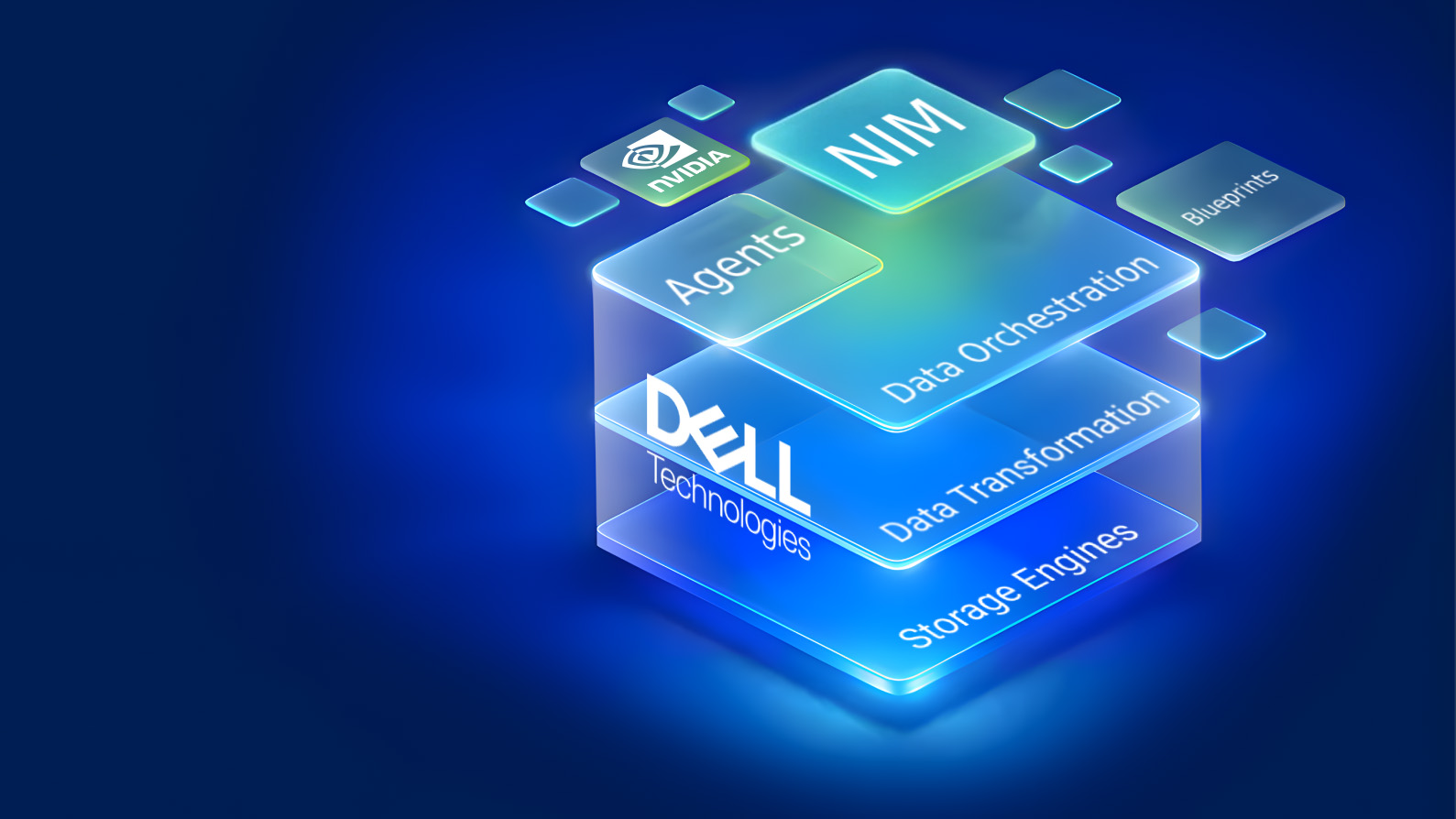 Dell unveils Deskside Agentic AI at Dell Technologies World 2026
News Deskside Agentic AI is the latest in the Dell AI Factory with Nvidia stable, with the company saying it further demonstrates its end-to-end enterprise AI capability


