The agentic identity crisis
With millions of AI agents being deployed, how can security teams maintain oversight and governance?


-
 Freelance tech pros beware: North Korean cyber criminals are targeting gig workers in a new malware campaign
News Fake tests during the recruitment process infect applicants' devices to steal cryptocurrency
-
 Orca Security launches new global partner program
News The Partner POD Program and Partner Success Platform aim to help partners improve efficiency, build expertise, and grow their cloud security businesses


-
 Dreamforce 2026 and the dangers of AI
Podcast Ross Kelly joins us from San Francisco to talk AI safety, Claudforce, Koa, and all things Dreamforce
-
 AI's operational blind spots
Podcast We talk to Tim Pfaelzer, SVP and GM EMEA at Veeam, about operational blind spots, what they mean for businesses, and how they can balance their desire for a technical edge
-
 Agents on the frontline: How Box is using AI to supercharge cybersecurity
Podcast How can enterprises adopt AI agents in a safe and secure manner?
-
 Google's Spirit Airlines auction & TrendAI insider threat report
Podcast Google's Spirit Airlines auction & TrendAI insider threat report
-
 Can responsible AI beat hallucinations?
Businesses are more eager than ever to implement AI in their workflows, but ambition doesn’t always translate into success
-
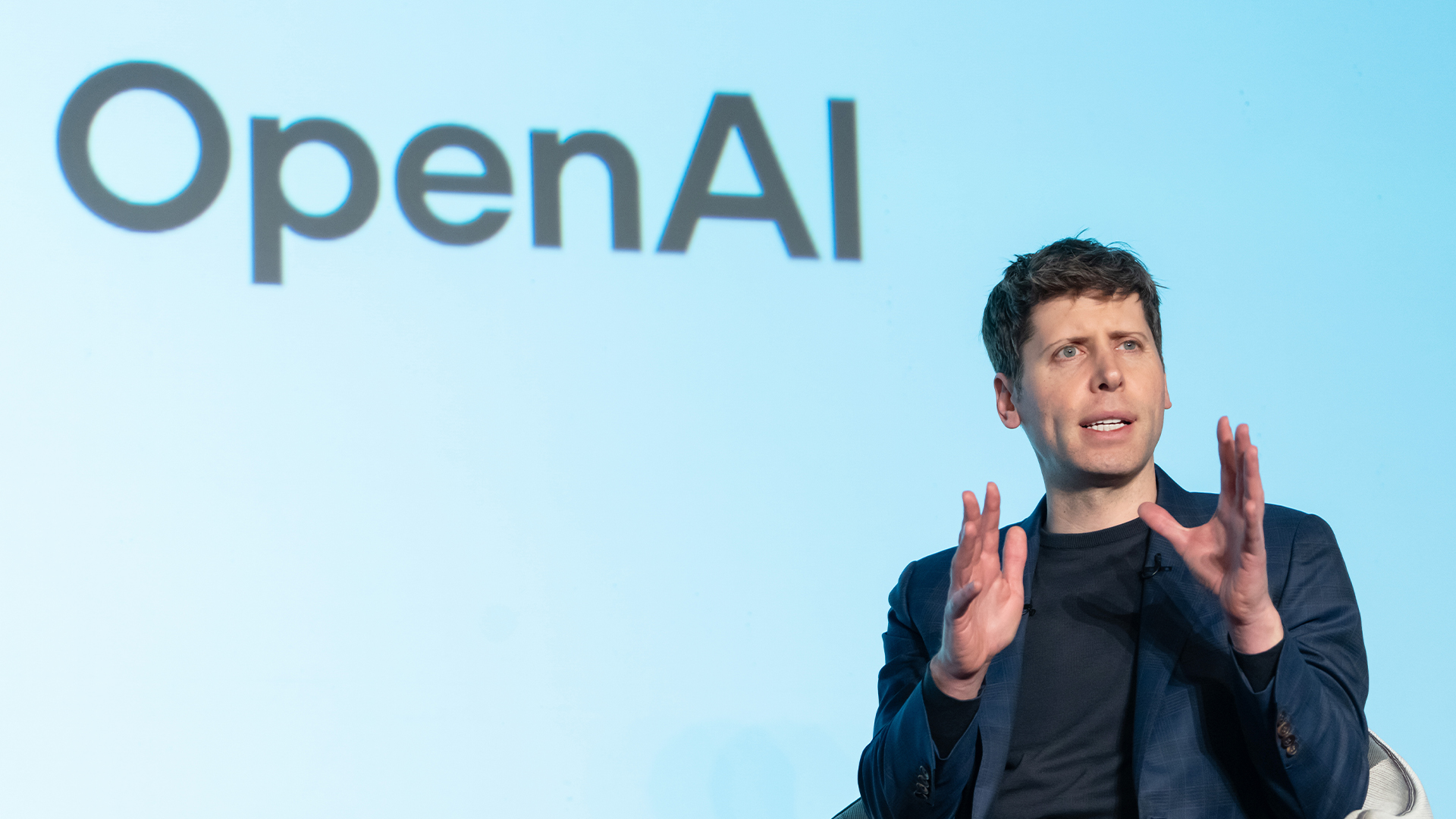 What the OpenAI rogue bot story really says about the state of AI security
Podcast
-
 The evolution of digital twins
ITPro Podcast No longer just a simple replica of a factory floor, the term digital twin is taking on new meaning
-
 The end of tokenmaxxing – and what comes next
Podcast The rise and fall of tokenmaxxing has been dramatic. We ask why it fell apart and what happens next.


