Has Google made a quantum breakthrough?
The Willow chip is reported to run laps around even the fastest supercomputers – but the context for these benchmarks reveals only longer-term benefits


This week, Google announced that it had made a major step forward in quantum computing with its new quantum chip Willow. The AI and search giant stated that it had successfully completed calculations that would previously have been impossible using its new piece of hardware.
In doing so, Google has taken shots at existing supercomputer infrastructure and driven excited chatter on social media – as well as worried posts about how the end of encryption is just around the corner. But how significant is this breakthrough? And what does it mean for the future of quantum computing?
In this episode, Jane and Rory recap Google’s Willow announcement and detail what its immediate and long-term implications could be.
Highlights
“What the researchers at Google are claiming is that Willow completed a calculation that would have taken Frontier 10 septillion years, which is ten to the power of 25 or ten thousand, thousand, thousand, thousand, thousand, thousand, thousand, thousand years, which is longer than the universe has been around.”
RELATED WHITEPAPER

“Actually, if you're looking at a quantum level, really anything in the world is very complex. There are infinitesimal processes going on. So he points to things like nuclear fusion – very complex. But also medicines, looking at designing more efficient batteries for electric cars.”
“As Google pointed out, every time you scale up in quantum computing, you massively increase the amount of error. So the fact that they have managed to scale up and at every stage, achieve good results is definitely worth applauding. But whether you can just draw a line on a graph from there, it's obviously far from that simple.”
Footnotes
- Meet Willow, our state-of-the-art quantum chip
- Explained: P vs. NP
- Preparing for the quantum revolution
- UK government quantum investment welcomed by industry
- Why experts are warning businesses to prepare for quantum now – or face critical cyber risks when it arrives
- Quantum supremacy is here — so what?
- The quantum computing sector needs to cut the hype and focus on responsible development
- UK quantum computing ambitions need a 'pro-innovation' regulatory approach akin to AI
Subscribe
- Subscribe to The ITPro Podcast on Apple Podcasts
- Subscribe to The ITPro Podcast on Spotify
- Subscribe to the ITPro newsletter
- Subscribe to the ITPro Podcast on YouTube
- Join us on LinkedIn

-
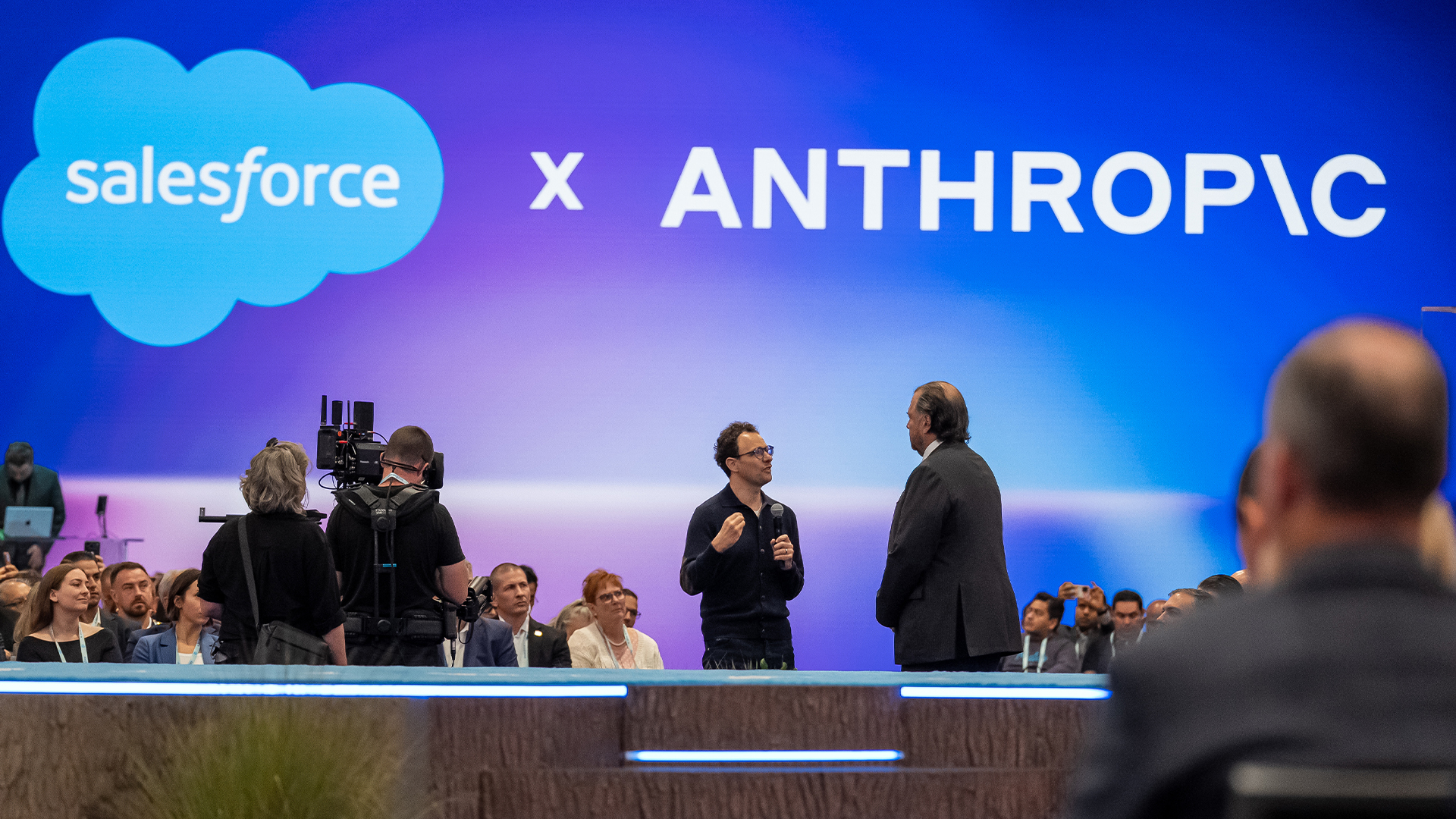 Dreamforce 2026 showed AI safety is the new big tech battleground
News Differing outlooks on AI safety risks have become clear as leading tech figures hit an impasse on responsible development
-
 Marc Benioff and Jensen Huang aren’t sold on the ‘SaaSpocalypse’
News Reports on the death of SaaS has been greatly exaggerated, according to the Nvidia and Salesforce chiefs – but big changes are still looming for software providers


-
 AI's operational blind spots
Podcast We talk to Tim Pfaelzer, SVP and GM EMEA at Veeam, about operational blind spots, what they mean for businesses, and how they can balance their desire for a technical edge
-
 Agents on the frontline: How Box is using AI to supercharge cybersecurity
Podcast How can enterprises adopt AI agents in a safe and secure manner?
-
 Google's Spirit Airlines auction & TrendAI insider threat report
Podcast Google's Spirit Airlines auction & TrendAI insider threat report
-
 Google targets AI cost efficiency with new FinOps features for Gemini Enterprise
News New cost control features and subscription options for Gemini Enterprise look to bring down spiralling AI costs
-
 Google just spent $10 million in an auction for Spirit Airlines data – 100 million emails, 500 million Microsoft Teams chats, and 30 million lines of code will be used to improve AI models and products
News AI developers are struggling to find enough data to train their models, sparking a bidding war for failed Spirit Airlines deidentified data
-
 Can responsible AI beat hallucinations?
Businesses are more eager than ever to implement AI in their workflows, but ambition doesn’t always translate into success
-
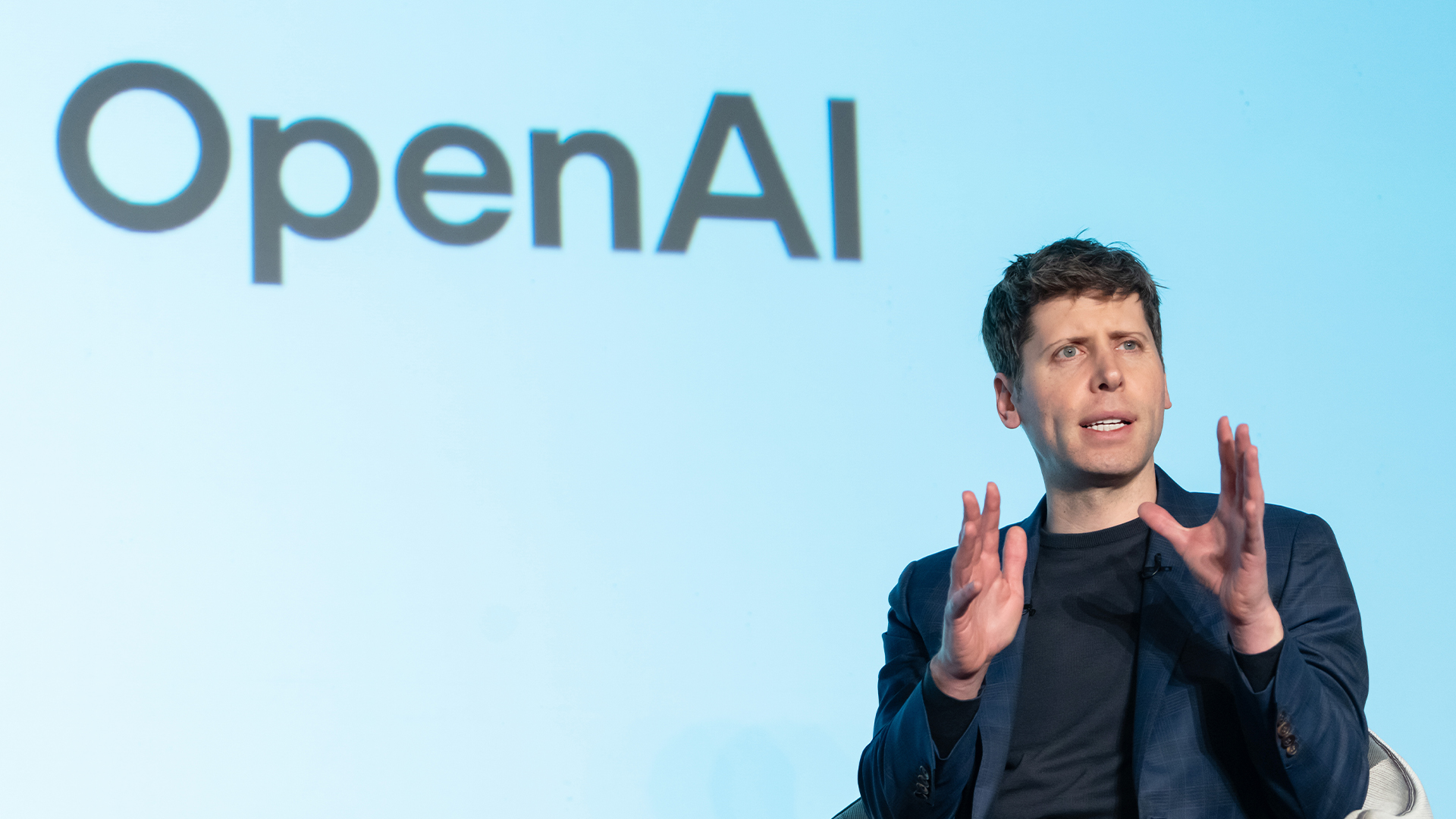 What the OpenAI rogue bot story really says about the state of AI security
Podcast
-
 Oracle integrates Google's Gemini AI models into enterprise apps
The deal aims to give broader access to Gemini models that can support AI agents and accelerate development


