
Character recognising spam breaking CAPTCHA defences
Webmail and OCR based spam is on the increase, which traditional web filters are having difficulty detecting.
Spam sent from webmail accounts created using CAPTCHA breaking technology is on the increase, according to Marshal.
It said that there was more spam capable of beating the response test, which is used to ensure content is generated by a human manually typing letters and numbers rather than a computer. CAPTCHA (Completely Automated Public Turing Test to tell Computers & Humans Apart) was developed by Carnegie Mellon University in 2000 to stop spam robots.
However there are ways to get past this security such as Optical Character Recognition (OCR), which is mechanical or electronic translation of the electronic images. Sometimes it was possible to completely bypass the CAPTCHA.
"In email security we've developed pretty advanced OCR technology to deal with image based spam," said Bradley Anstis, vice president of products at Marshal. "I think some spammers are using tools we've created against the industry to help them break the CAPTCHA codes."
However, he did go on to say that the bigger problem was that many businesses and websites were not even bothering to implement CAPTCHA.
"Even though CAPTCHA technology is evolving and there are new ways of doing it its still up to the companies to deploy these on their websites," Anstis said. "That traditionally has been the hardest thing to do."
The report said that using webmail accounts for spam made IP reputation or message header inspection less effective. Spam would be generated from Gmail, Yahoo and Hotmail accounts, so they would look to come from legitimate sources.
Sign up today and you will receive a free copy of our Future Focus 2026 report - the leading resource for IT decision-maker insight on priorities and investment areas in AI, security and more.
"This email is typically generated using a well-formatted composition type engine so the headers are really tidy and bodies are really neat," Anstis said.
"Traditional spam filters that look at the structure of an email message looking for addresses of bulk mailers are less effective. Webmail messages conform to all right the standards."
-
TfL takes Oyster photocard systems offline following breachNews Security experts warn the Oyster photocard breach could lead to follow-up attacks on victims
-

Irish credit unions hit by data breach after IT provider compromisedNews Wellington IT reportedly delayed alerting customers by multiple weeks
-

Outlook and Hotmail email accounts hit by spam attackNews Users were bombarded by spam emails apparently because Microsoft's spam filters weren't working properly
-

EE fixes spam Orange "Magic Numbers" text message glitchNews EE in firing line over deluge of spam messages sent to customers
-

ICO and mobile networks join forces to cut spam text messagesNews EE, O2, Three, Vodafone have all signed up to the scheme that will rely on consumers reporting spam texts
-
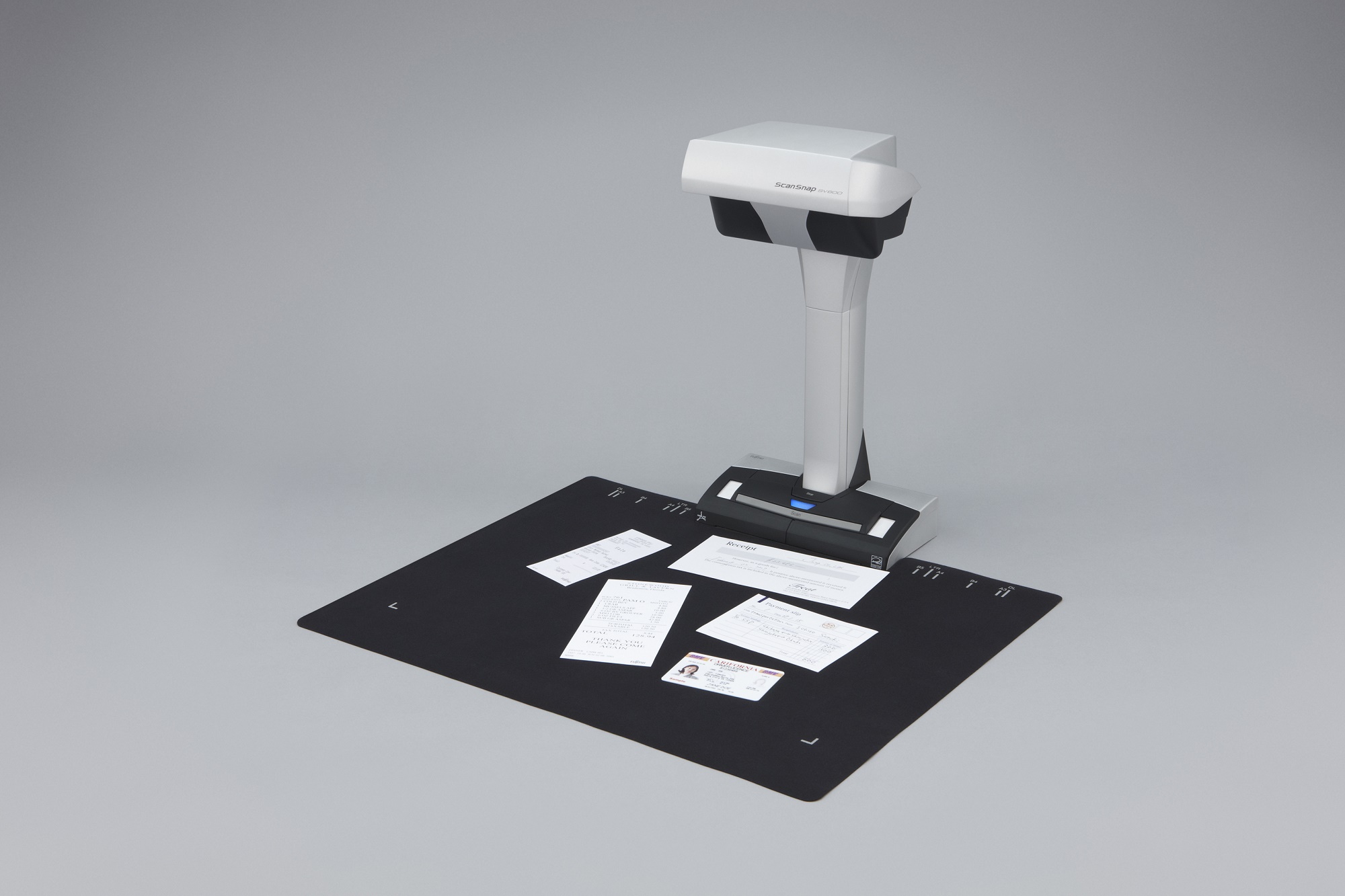
Fujitsu ScanSnap SV600 reviewReviews A portable scanner which looks like a desktop lamp.
-
LG Scanner Mouse reviewReviews A mouse that's also a scanner: do they go together like a horse and carriage or is LG's latest gadget more like chalk and cheese? Kat Orphanides finds out.
-

Canon ImageFormula DR-C125 reviewReviews Fast, high-quality sheet-fed desktop scanners don't have to be eye wateringly expensive as Simon Handby finds out with Canon's latest model.
-
New Cisco email services to enhance security and managementNews Cisco's new email services could put Exchange's laughable email recall and receipts features to shame.
-

Amazon Simple Email Service launchedNews Amazon's cloud side looks to help companies send out bulk emails with its new service.