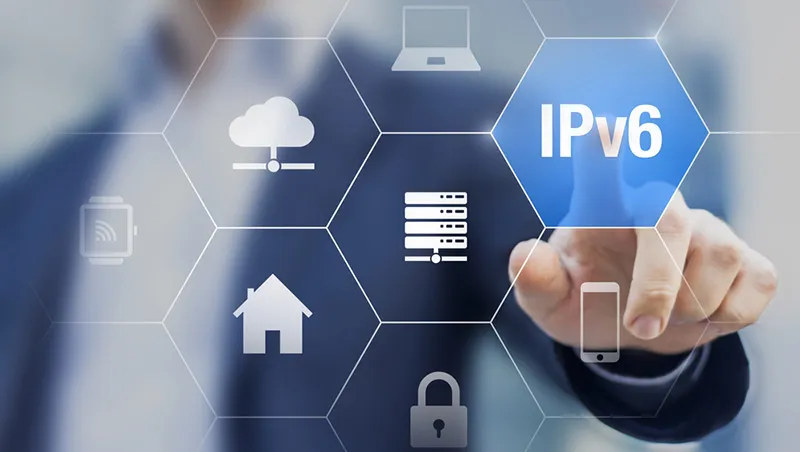
EC calls for urgent business adoption of IPv6
The threat of running out of IP addresses is not motivating businesses to switch to IPv6, but the cost of rushing a late migration may prove a different matter.
The inevitability of IPv6 means that businesses should switch now and avoid the costs and complexities of a last-minute migration, the EC has said.
Detlef Eckert, director general for information and society at the European Commission, was speaking about the challenges and opportunities that IPv6 held at the ISSE conference in Madrid.
In a call that echoed an EC statement from May, Eckert said that if businesses leave it late to implement IPv6 then they won't have an opportunity to iron out technical issues and security vulnerabilities. It will also cost companies more money if they switch late.
The current IPv4 system for IP addresses is rapidly hitting capacity thanks to the growth of internet-connected mobile devices, home broadband adoption, online home media servers and the growth of portable computer use. IPv6 can deliver more than ten billion billion billion times as many addresses as IPv4.
However, he said that in the end IPv6 offered a much better security infrastructure for today's business networks. One of the reasons for this was flexibility IPv6 offers as many addresses as needed for a multitude of network interfaces. He also said it had the potential to offer a much better experience for the user.
Asking for a poll of hands in the conference venue, only one to two per cent indicated that they were currently working on IPv6 deployment right now.
Nonetheless, the spectre of running out of internet addresses is getting closer and closer.
Sign up today and you will receive a free copy of our Future Focus 2026 report - the leading resource for IT decision-maker insight on priorities and investment areas in AI, security and more.
"Despite being available for ten years with a lot of talk and a lot of money spent, nobody is doing anything," he said.
"Because our engineers have done such a good job to bring features designed for IPv6 to IPv4, the incentive to employ IPv6 is not immediately visible."
-
TfL takes Oyster photocard systems offline following breachNews Security experts warn the Oyster photocard breach could lead to follow-up attacks on victims
-

Irish credit unions hit by data breach after IT provider compromisedNews Wellington IT reportedly delayed alerting customers by multiple weeks
-
Making the switchWhitepaper Realise the benefits of IP technology ahead of the digital ‘switch-on’
-
Superspeed your network for free... or nearlyTutorials Don’t wait around for slow transfers and sluggish services – you can get a network boost with little or no investment
-
What is TCP/IP?In-depth How this protocol from the 1970s keep the internet operational
-
What is IPSec?In-depth A closer look at the internet's security protocol suite
-
What is a default gateway?In-depth What is a default gateway, and how to find its address
-

What is a proxy server?In-depth We explain what a proxy server is, how it works, and the different types available
-
What is IPv6?In-depth IPv6 may seem complicated, but it doesn't have to be
-

Whatever happened to IPv6?In-depth It was the talk of the town a few years ago, but we now appear to have enough IP addresses for everyone – what happened?