Mozilla not too keen on IE-esque dominance
Alternative browser giant Mozilla isn’t too keen on monopolies and doesn't want to mirror Microsoft’s dominance.
One of the driving forces behind Mozilla's Firefox browser is "kind of worried" about Firefox achieving the monopolistic status of Internet Explorer.
Firefox has only just tipped past the 20 per cent mark in worldwide browser market share, and is still a long way away from achieving the 90 per cent-plus market share that Internet Explorer enjoyed in its heyday. But nonetheless, the alternative browser's architect Mike Connor has concerns about its popularity going forward.
Firefox has a market share of more than 50 per cent in some countries and is hugely popular among PC enthusiasts: Firefox was used by around 40 per cent of visitors to IT PRO's sister site PC Pro last month, and Connor claims the browser is used by about 80 per cent of visitors to Digg.com.
Connor admits the prospect of achieving monopoly status - defined as two thirds of the market in the US - has been a topic of discussion at Mozilla HQ.
"We are kind of worried about the monopoly thing," Connor admitted in an exclusive interview with PC Pro. "We don't want to kill everybody else."
However, Connor admits Mozilla is largely powerless to prevent Firefox's increasing popularity. "When we get to 66.6 per cent we're going to have to figure something out," Connor half-joked. "We're going to have to tank our own market share or something."
Connor believes that market forces will ensure Firefox never achieves the level of dominance that Internet Explorer once had. "Eventually people will use different browsers based on their own specific preferences," Connor adds.
Sign up today and you will receive a free copy of our Future Focus 2026 report - the leading resource for IT decision-maker insight on priorities and investment areas in AI, security and more.
However, Connor says he definitely doesn't want Firefox to be bundled with Windows, a course of action currently being considered by the EU.
Barry Collins is an experienced IT journalist who specialises in Windows, Mac, broadband and more. He's a former editor of PC Pro magazine, and has contributed to many national newspapers, magazines and websites in a career that has spanned over 20 years. You may have seen Barry as a tech pundit on television and radio, including BBC Newsnight, the Chris Evans Show and ITN News at Ten.
-
AWS says cloud market gatekeeper designation risks ‘deterring European investment and innovation’ as EU regulators plot competition crackdownNews Gatekeeper designation under the legislation would force AWS and Microsoft to make concessions
-

‘Confusing for developers and bad for users’: Apple launches appeal over ‘unprecedented’ EU fineNews Apple is pushing back against new app store rules imposed by the European Commission, suggesting a €500m fine is a step too far.
-
Apple, Meta hit back at EU after landmark DMA finesNews The European Commission has issued its first penalties under the EU Digital Markets Act (DMA), fining Apple €500 million and Meta €200m.
-

European AI alliance looks to take on Silicon Valley and develop home-grown LLMsNews OpenEuroLLM is a consortium of 20 leading European research institutions, companies, and EuroHPC centers hoping to develop a family of open source LLMs.
-
Open source advocates "cautiously optimistic" about Cyber Resilience Act after industry pushback prompts changesNews Amendments to the Cyber Resilience Act in December curtailed the potential impact on open source developers in the region, an industry body has said
-

Reprieve for open source industry as agreement reached on Cyber Resilience ActNews The Cyber Resilience Act has been maligned by open source advocates across Europe
-
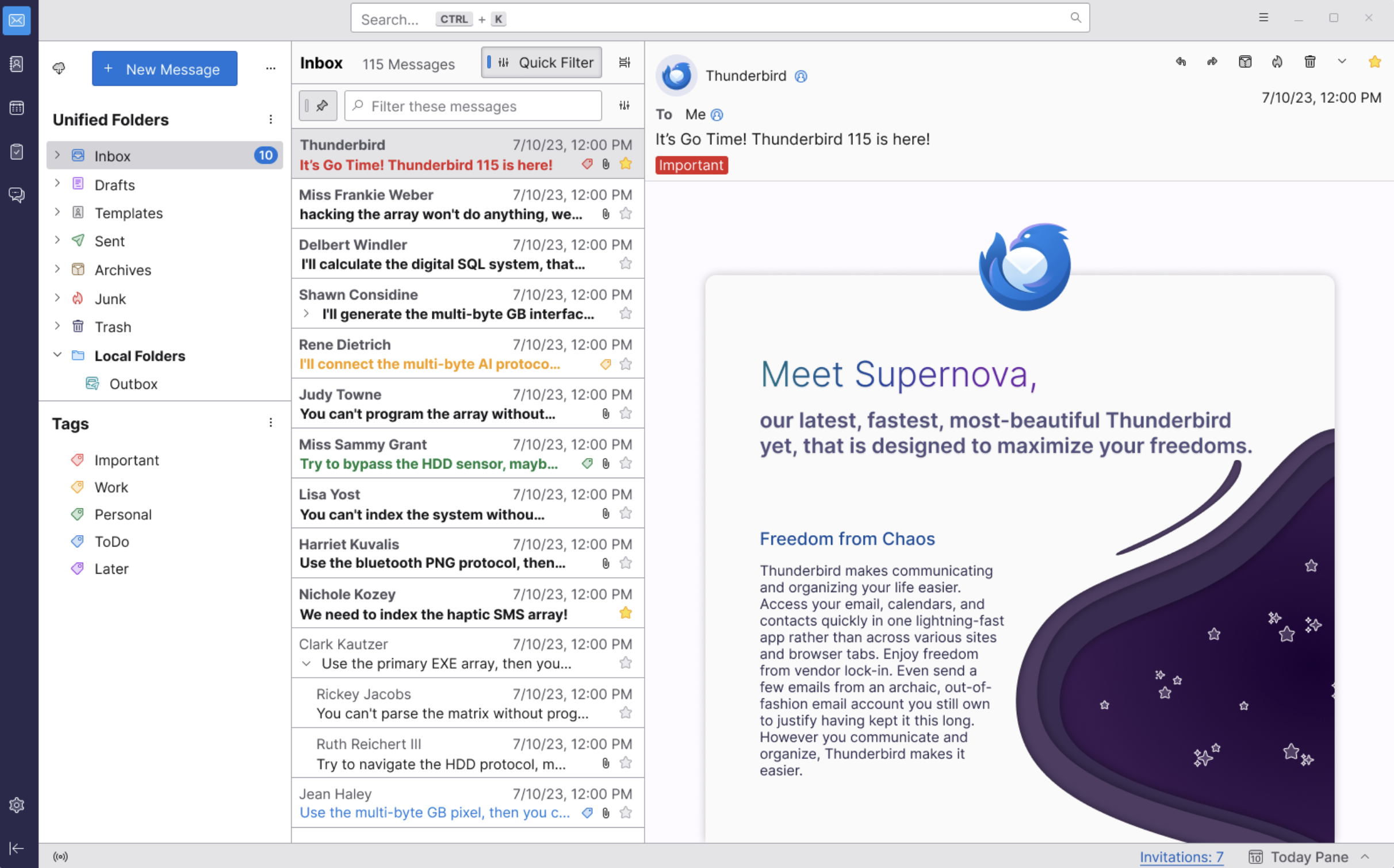
Why Thunderbird Supernova could be a game-changerOpinion Version 115 of the Mozilla Foundation’s email client is a godsend for users in need of a local repository of messages and documents
-

What's the EU's problem with open source?Analysis The open source community has raised concerns about a raft of new regulatory changes in the EU in recent months