Website danger as hacker breaks SSL encryption
The Black Hat conference in the US shows that software can be used to steal information from sites you may think are secure.
Independent hacker Moxie Marlinspike has unveiled new techniques to defeat SSL encryption, which would leave common web applications such as online banking or secure website logins vulnerable to attack.
This would mean that the padlock icon in the corner of supposedly safe' websites and touted as optimal security by companies like Verisign may not be as safe as people generally believe.
Marlinspike revealed his findings at the Black Hat security conference in Washington DC, showing a number of ways where the "chain of trust" fell apart around SSL encryption.
He looked at the possibilities for new vectors of attack against HTTPS, the combination of HTTP and a network security protocol, which are often used for payment and sensitive corporate transactions.
Marlinspike also revealed a free software tool called "SSL Strip", which could be deployed on a network and used for a man in the middle attack on all potential SSL connections.
It stripped away the SSL encryption, substituting a look-alike HTTPS site, while still convincing the user and website the security was in place.
He claimed that by using a real world attack on several secure websites such as PayPal, Gmail, Ticketmaster and Facebook, he garnered 117 email accounts, 16 credit card numbers, seven PayPal logins and 300 other miscellaneous secure logins.
Sign up today and you will receive a free copy of our Future Focus 2026 report - the leading resource for IT decision-maker insight on priorities and investment areas in AI, security and more.
Click here for a video interview with Marlinspike.
The SSL encryption hack wasn't the only threat highlighted at Black Hat. Zscaler security researcher Michael Sutton sounded a warning against features that allowed offline access to websites.
He stressed that offline web applications such Gmail and Gears were secure, but warned that other sites with poor security risked visitors losing their data.
As well, Vietnamese researcher Duc Nguyen also demonstrated how he and his partners cracked the facial recognition technology used by Lenovo, Asus and Toshiba on their laptops.
They cracked the tech simply by using a picture of a person instead of their real face, as well as by presenting multiple phony facial images.
The researchers concluded that it was sufficient evidence that the biometric authentication used by the manufacturers was not secure enough.
-
Faking it: how to prevent ‘performative AI’ use in the workplaceIn-Depth Workers should be able to voice uncertainty to leaders as research shows some are exaggerating AI skills out of fear of losing their jobs
-

Need a fleet of solid Windows business laptops? Modernize with the Dell Pro 3Sponsored Aging laptops can nix a small business’s efficiency and productivity, but the Dell Pro 3 can help bring you up to date
-

PayPal appoints HP’s Enrique Lores in surprise CEO shake-upNews The veteran tech executive will lead the payments giant into its next growth phase amid mounting industry challenges
-
Once again, PayPal starts the year with another round of job cutsNews The payments firm reveals 200 employees will lose their jobs, 11 months after the closure of its Dundalk office
-
PayPal appoints Intuit’s Alex Chriss as new president and CEONews Intuit’s small business guru replaces outgoing PayPal CEO Dan Schulman
-
PayPal to put hate group funding under the microscopeNews It will research how extremists are using payment platforms for funding
-
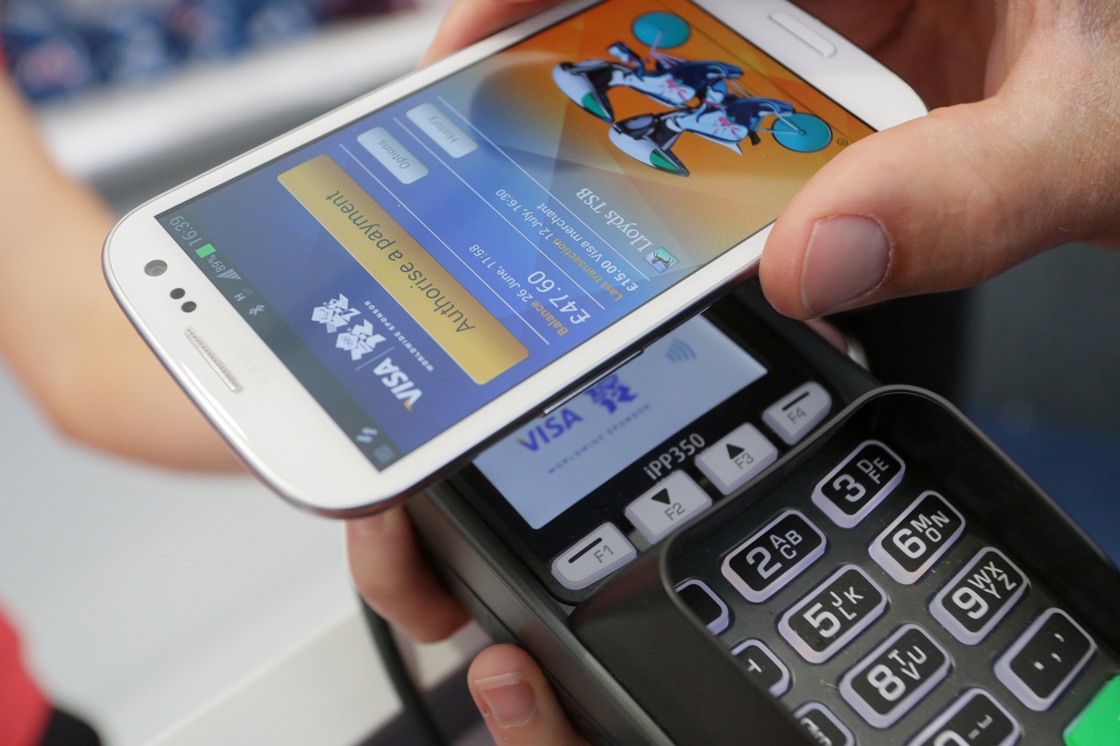
PayPal and Bouncepad unite to make contactless payments cheaper for SMBsNews Businesses wishing to adopt contactless payments can use the PayPal Here card reader and Bouncepad enclosure
-
PayPal strengthens international payment presence with Xoom acquisitionNews The digital money transfer startup will help PayPal expand its business into global money transfers
-
Next-gen security could see human embedded passwordsNews PayPal said it's the most effective way to stop people using easily guessed passwords
-
PayPal agrees to pay £5.1m fine for not blocking prohibited paymentsNews The company gave green light to transactions made linked to Cuba, Iran and Sudan, despite sanctions