Qualcomm to unveil 'smartbooks' at Computex
New form factor combines a mobile OS with a netbook or tablet computer, using the Snapdragon platform.


-
 CIOs need to take back control of their IT roadmap
In-Depth IT leaders are facing difficult decisions about their ERP estates – but experts say taking an ‘AI last’ approach can avoid costly disruption
-
 TfL takes Oyster photocard systems offline following breach
News Security experts warn the Oyster photocard breach could lead to follow-up attacks on victims


-
 Qualcomm appoints Wassim Chourbaji to lead EMEA operations
News The long-serving Qualcomm executive succeeds Enrico Salvatori, who will retire next year after 25 years with the semiconductor giant
-
Qualcomm completes $2.4 billion Alphawave Semi acquisition
News The move sees Qualcomm absorb Alphawave Semi’s portfolio of custom silicon, high-speed connectivity solutions, and chiplets
-
 GPU memory vulnerability could allow hackers to access LLM responses - and Apple, Qualcomm, and AMD products were all at risk
News The GPU memory vulnerability could've left large language models wide open to exploitation by threat actors
-
 Qualcomm warns of Q4 job cuts as earnings indicate underperformance
News The firm’s net income cratered across its third quarter, with the handset market remaining slow
-
 Citi to transition 70% of its workforce to Snapdragon mobile devices
News Longer battery life will allow the company to eliminate “thousands of tonnes” of CO2
-
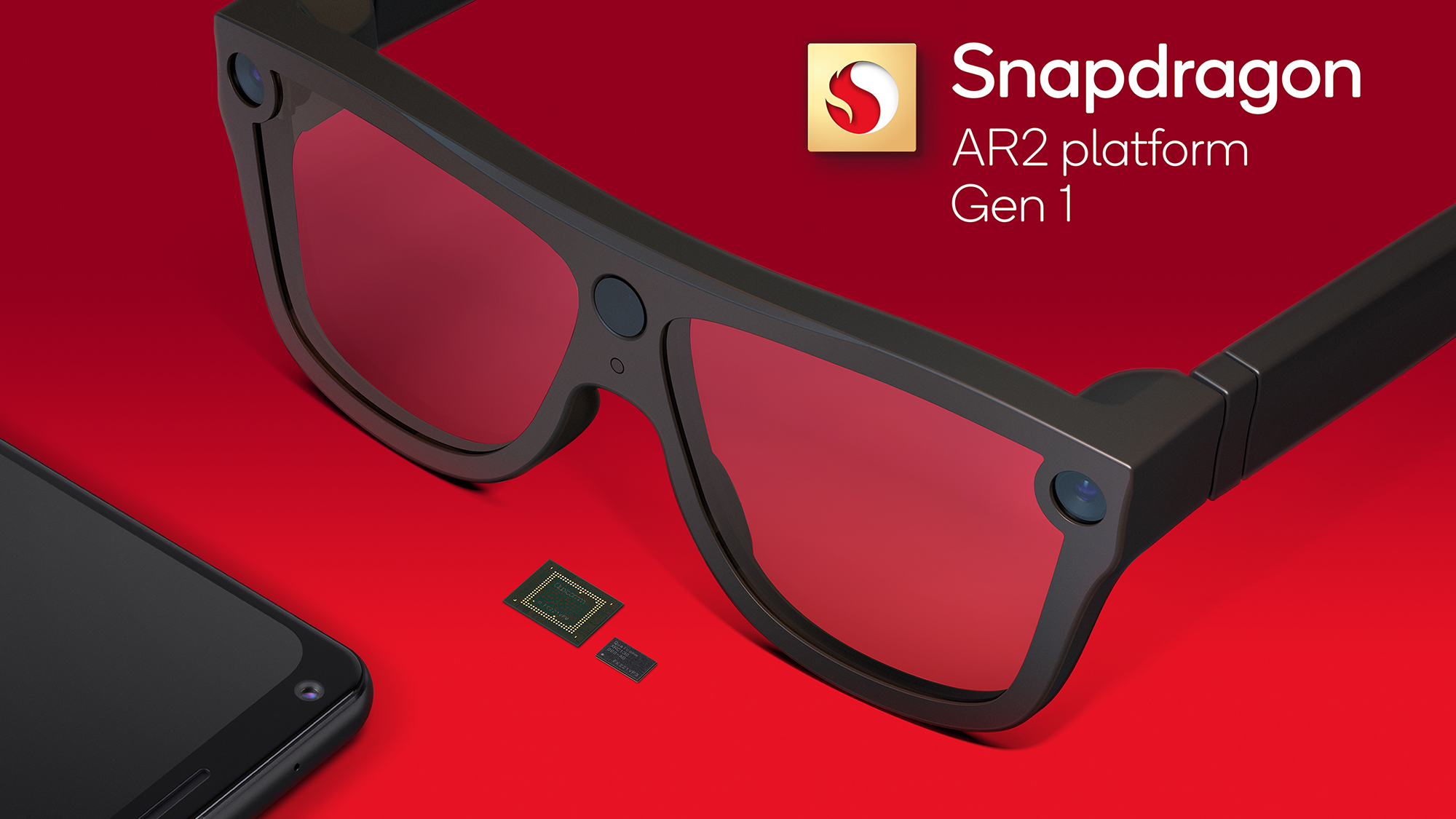 Qualcomm targets slimmer smart glasses with first dedicated AR SoC
News Sleeker smart glasses could be on the horizon thanks to a 40% smaller PCB, reducing the amount of wiring needed by almost half
-
 Qualcomm Snapdragon Summit: Snapdragon 8 Gen 2 platform unlocks new AI capabilities
News Announced at Qualcomm's Snapdragon Summit in Hawaii, the latest chipset features improved AI support, Wi-Fi 7, and faster overall performance
-
 Qualcomm open to investing in Arm as part of consortium
News This comes after SK Hynix said it was interested in forming a consortium to acquire the British chipmaker


