Google defends business practices amidst criticism
As it faces an antitrust probe and opposition to its ITA Software acquisition, Google defends its practices.
Google has felt the need to defend the way it does business as it faces opposition for a number of recent moves.
This week, Microsoft joined Fairsearch.org, an organisation comprised of various online firms that oppose Google's acquisition of travel software provider ITA.
The central cause of concern for Microsoft and Fairsearch.org is ITA Software powers many travel search rivals. If Google gains control over that software then the search giant could dominate the online air travel market, the Redmond firm and its new allies have argued.
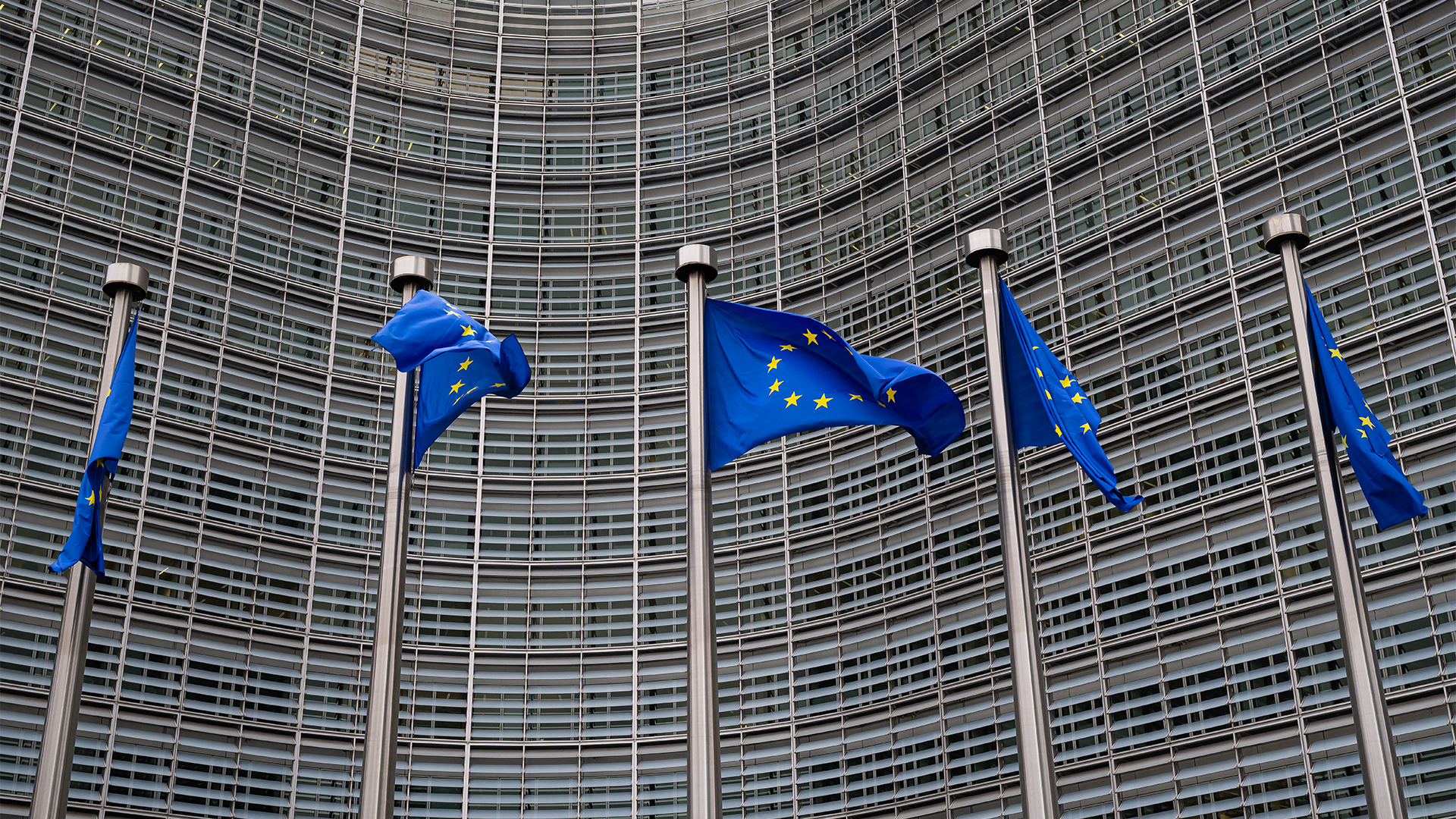
Google is also facing an antitrust investigation from the European Commission.
The search firm has been accused of having "abused a dominant position in online search" by lowering the ranking of unpaid search results of competitors who offer very targeted services in order to give Google's own services higher prominence.
In a blog post, Google deputy general counsel Don Harrison responded to a Washington Post article about the company's acquisitions and antitrust law.
"Antitrust law is designed to protect consumers, not competitors, and our acquisitions have created great things for consumers," Harrison wrote.
Sign up today and you will receive a free copy of our Future Focus 2026 report - the leading resource for IT decision-maker insight on priorities and investment areas in AI, security and more.
"For startups, getting acquired is often the path to success (especially given the difficult IPO market), so stopping large companies from making acquisitions would only deprive startups of another potential bidder and investors of a potential return on their invested capital. You can't be both pro-economic growth and anti-acquisitions."
Harrison said antitrust laws adequately protect competition and consumers' interests.
"Most observers would agree that the antitrust laws are pretty durable and the courts have done a good job applying the law to new products and technologies," he added.
"For our part, we'll continue to make sure that our business practices reflect our commitment to compete fair and square."
Tom Brewster is currently an associate editor at Forbes and an award-winning journalist who covers cyber security, surveillance, and privacy. Starting his career at ITPro as a staff writer and working up to a senior staff writer role, Tom has been covering the tech industry for more than ten years and is considered one of the leading journalists in his specialism.
He is a proud alum of the University of Sheffield where he secured an undergraduate degree in English Literature before undertaking a certification from General Assembly in web development.
-
TfL takes Oyster photocard systems offline following breachNews Security experts warn the Oyster photocard breach could lead to follow-up attacks on victims
-

Irish credit unions hit by data breach after IT provider compromisedNews Wellington IT reportedly delayed alerting customers by multiple weeks
-

EU can't afford sovereign cloud, research claimsCiting costs that it claims have been overlooked, CCIA Europe is predicting a €115 billion bill.
-

ISACA CEO says AI compliance will be like 'SOX on steroids'News Businesses will need to do far more work in far less time to meet stringent regulations
-

Three things you need to know about the new EU AI Act rulesNews From this week, organizations operating in the EU have a new set of obligations around AI content and transparency
-

Startup founders lament 'regulatory friction' despite EU simplification effortsNews Entrepreneurs are spending a fortune on compliance, and it’s forcing some to consider relocating
-

AWS says cloud market gatekeeper designation risks ‘deterring European investment and innovation’ as EU regulators plot competition crackdownNews Gatekeeper designation under the legislation would force AWS and Microsoft to make concessions
-

‘Reducing reliance on foreign tech infrastructure is key’ to European tech success – and its survivalNews MEPs have once again called for decreased reliance on foreign tech infrastructure
-
Trade groups claim EU’s Digital Networks Act risks “favoring the interests of outdated telecom monopolies”News The European Commission has set out its proposals to boost the EU's connectivity, to some criticism from industry associations
-

EU lawmakers want to limit the use of ‘algorithmic management’ systems at workNews All workplace decisions should have human oversight and be transparent, fair, and safe, MEPs insist
