Motorola ads banned after users bust phone screens
No more dance floors or swimming pool parties for Motorola… in its marketing campaigns at least.
The Advertising Standards Authority (ASA) has banned two Motorola TV ads, saying they misled consumers as to the sturdiness of devices.
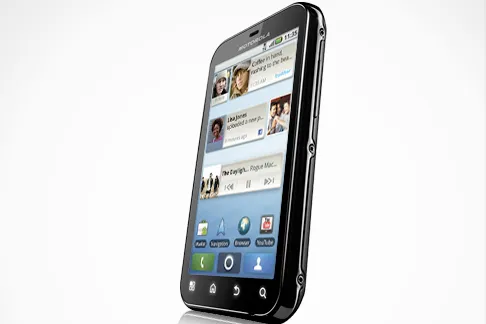
Three complainants said the ads exaggerated the durability of the Android-powered Motorola DEFY phone, which was being marketed as "dance floor proof" and "pool party proof."
Despite claims from Motorola the phone was water and scratch resistant, as well as dust proof, the complainants' phone screens cracked after dropping their DEFY devices.
We had not seen evidence that dropping the DEFY from the height shown in the ads would not damage the phone.
Motorola said it had extensively tested its device, putting it through "circumstances more extreme than those that would usually be encountered by consumers."
This included "dropping the phone from multiple heights onto multiple surfaces," the ASA found. The product had been put through around 300 'drops,' yet Motorola's explanation of the testing process in its response to the ASA was to no avail.
"We noted the phone was intended to be bump, impact, scrape and scratch resistant but considered the ads, in particular the scene that involved the phone being dropped onto a dance floor and the on-screen text "DANCE FLOOR PROOF" and "It's life proof," suggested the phone would also not be damaged when it was dropped from the height shown in the ads," the ASA said in its adjudication.
Sign up today and you will receive a free copy of our Future Focus 2026 report - the leading resource for IT decision-maker insight on priorities and investment areas in AI, security and more.
"Because we had not seen evidence that dropping the DEFY from the height shown in the ads would not damage the phone, we concluded that the ads misleadingly exaggerated the performance of the product."
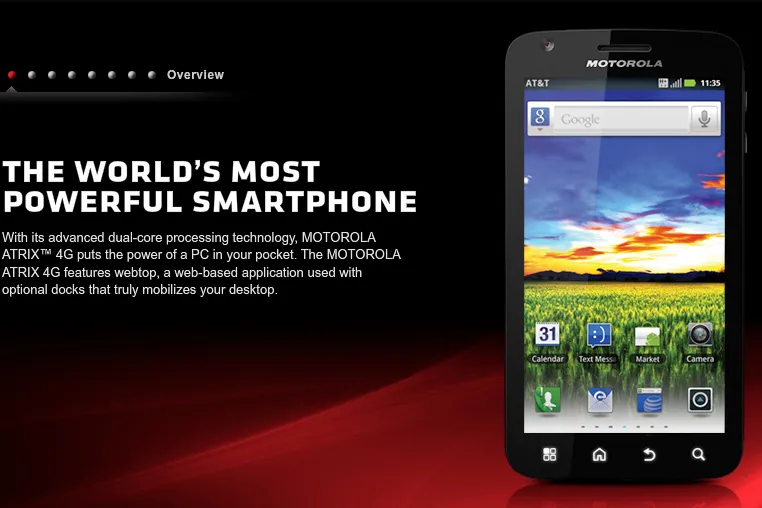
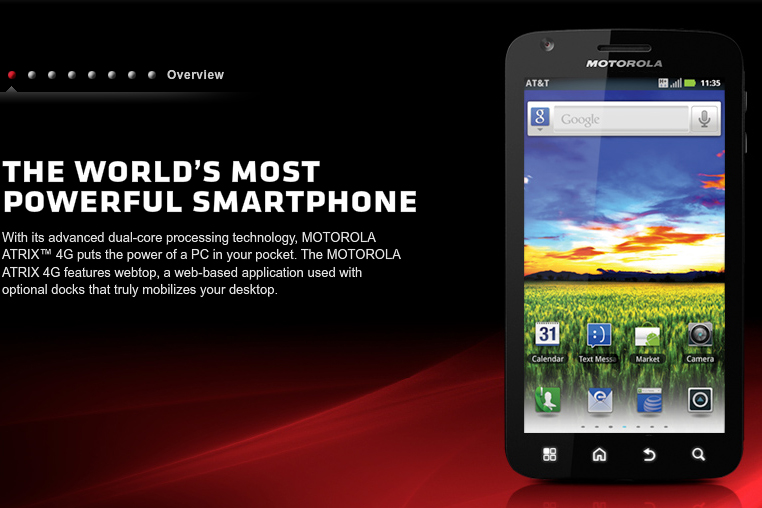
Motorola was hit by another advertising ban in August, when the ASA decided to kill off an ad claiming the Atrix was the most powerful smartphone on the planet.
That time the watchdog received just two complaints, yet the ad was still removed.
Tom Brewster is currently an associate editor at Forbes and an award-winning journalist who covers cyber security, surveillance, and privacy. Starting his career at ITPro as a staff writer and working up to a senior staff writer role, Tom has been covering the tech industry for more than ten years and is considered one of the leading journalists in his specialism.
He is a proud alum of the University of Sheffield where he secured an undergraduate degree in English Literature before undertaking a certification from General Assembly in web development.
-
ASA rules against hidden advertising by vloggersNews The ASA has ruled against the use of unclear advertising by vloggers via their YouTube channels
-
O2 misled customers over iPhone 5 deliveries, ad body rulesNews Mobile operator rapped by Advertising Standards Authority (ASA) for confusing customers with iPhone ordering claims.
-
Apple iCloud "effortless to use" claims cleared by ad regulatorNews The Advertising Standards Authority (ASA) backs consumer electronics giant following a complaint over iCloud ad claims.
-

Rackspace escapes ASA wrath over "100% uptime" claimsNews Regulator finds in favour of cloud provider's '100 per cent uptime guarantee'.
-

Virgin Media rapped by ASA over "misleading" broadband adNews Regulator takes issue with broadband provider's "no more buffering" claims.
-

Groupon promises to change after OFT rulingNews The internet deals company has three months to make the agreed changes to its trading practices.
-

TalkTalk 'delighted' by ASA ads ban rulingNews ASA bans three TalkTalk ads, yet the telecoms provider is seemingly over the moon with the decision.
-
ASA: Motorola Atrix not world’s most powerful smartphoneNews The Motorola ad gets banned after it emerges the Samsung Galaxy S II i9100 is more powerful.