Sign up today and you will receive a free copy of our Future Focus 2026 report - the leading resource for IT decision-maker insight on priorities and investment areas in AI, security and more.
You are now subscribed
Your newsletter sign-up was successful
An account already exists for this email address, please log in.
Cisco to tackle BYOD challenge
Networking vendor aims to help companies secure and control personal devices.
Enterprises will need to do more to control and manage personal technology brought to work by staff, according to a leading network equipment vendor.
The trend for using personal tablets, smartphones and laptops in the enterprise also known as "bring your own device" -- continues to raise data privacy and security issues, as well as concerns around device management and control.
According to Ian Foddering, chief technology officer for Cisco's UK operations, businesses need to tackle the BYOD trend, or risk exposing themselves to problems, especially around data management and security. But businesses that either ignore, or block moves for staff to bring their own equipment to work risk losing out on productivity gains, and may even become less attractive to new recruits.
"We find that the organisations we talk to fall into three groups," said Foddering. "There are those that embrace BYOD, those that ignore it, and those that block it. But the key thing is to have a policy in place, whether that is to enable BYOD, or to block it. Ignoring the issue is most likely to bring problems."
Companies that do allow staff to bring their own devices see not just savings on the cost of equipment, but also improved productivity. A recent Cisco survey suggested that younger knowledge workers might even accept a lower salary, in return for the flexibility to choose their own technology at work. According to Foddering, businesses might move to giving employees a technology allowance, along the lines of car allowances, instead of forcing them to use corporate technology.
Allowing employees to use personal devices at work does, though, have potential downsides. Security and data protection need to be addressed; so does the question of how much control the IT department has over devices that the business does not own. "You have to be very, very clear about the end-user agreements that are in place. For someone to bring in their own device, you have to be very clear what they can and cannot do on that device."
IT departments both need to control the data staff load on to personal devices, but also decide whether, for example, they need consent to wipe a personal device and personal data if the device is lost or stolen.
Get the ITPro daily newsletter
Sign up today and you will receive a free copy of our Future Focus 2026 report - the leading resource for IT decision-maker insight on priorities and investment areas in AI, security and more.
Cisco has announced a "unified" approach to managing wireless devices, based on a combination of the vendor's existing network infrastructure, and integration with third party mobile device management (MDM) tools. Cisco plans to launch MDM integration this autumn.


 The days of bringing your own device to work could be coming to an end
 Toyota customers in Asia & Oceania at risk following recent data leak
 Enabling secure hybrid learning in schools
 Rebooting your BYOD strategy
 Gumtree site code made personal data of users and sellers publicly accessible
 83% of critical infrastructure companies have experienced breaches in the last three years
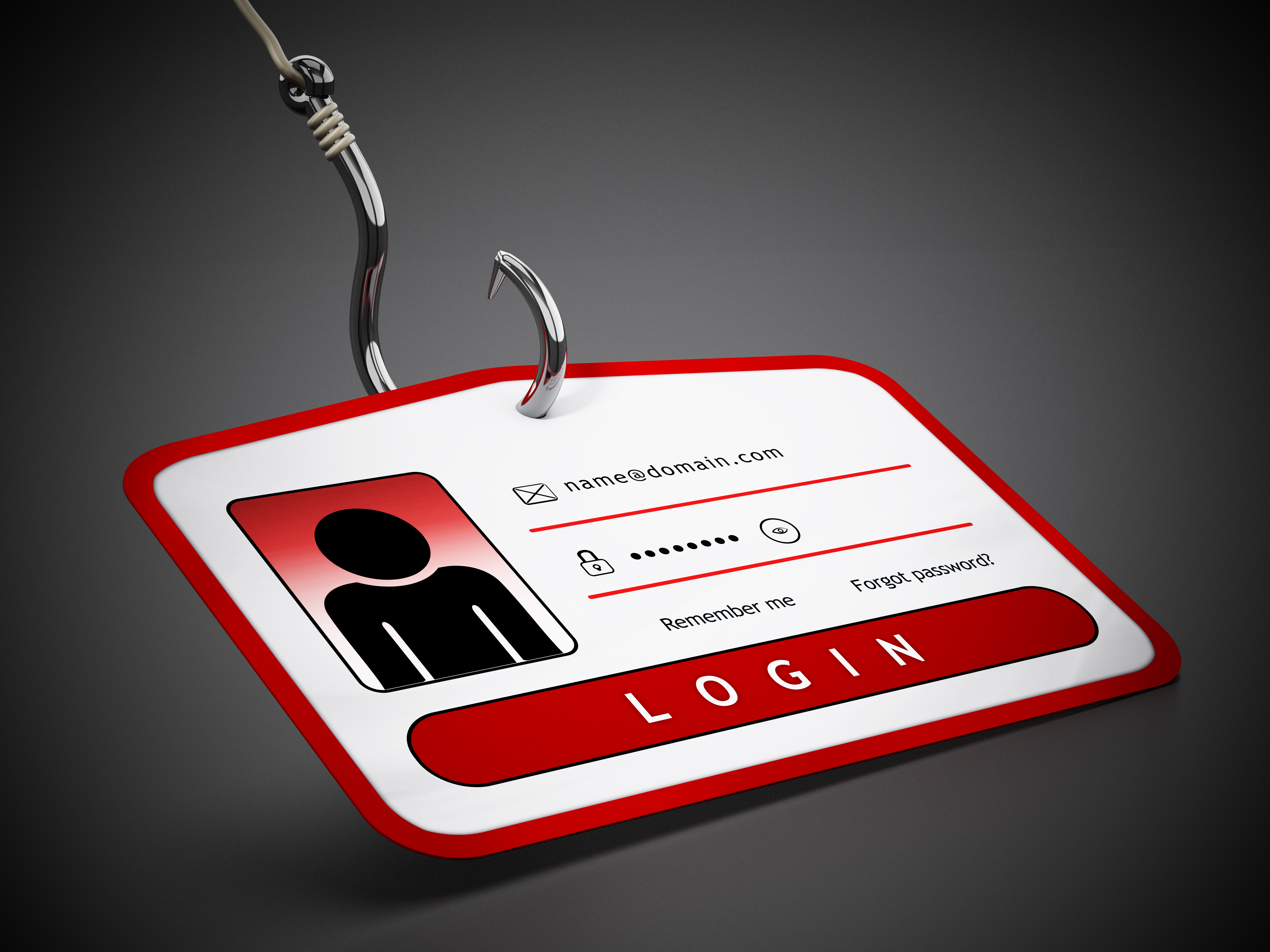 Identity Automation launches credential breach monitoring service


