
Lenovo stops shipping Superfish adware with consumer devices
Superfish adware had potential to make browser data available to hackers
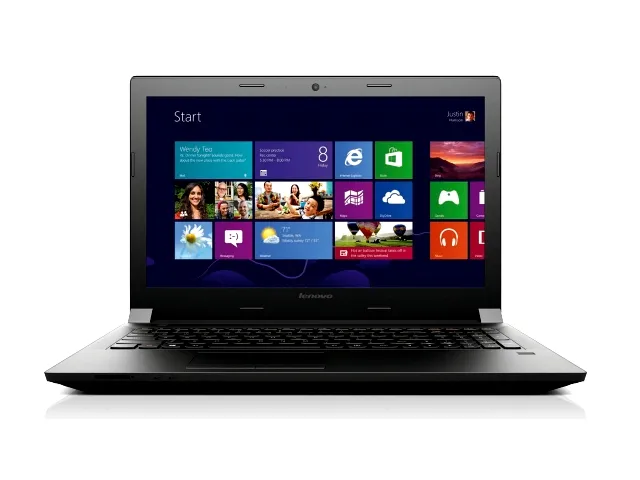
Lenovo has confirmed it has stopped shipping adware with its consumer laptops, which could have led to encrypted user data being compromised by hackers.
Known as Superfish', the program injected visual search results into the browser without user permission, according to forums unearthed by The Next Web.
While OEMs routinely install bloatware on Windows machines, the Superfish adware appeared to be dangerous, not just inconvenient. This is because it used a self-signed certificate, which if compromised, could have provided hackers with access to all browser data - regardless of whether it had been encrypted.
Lenovo's official statement
"We have thoroughly investigated this technology and do not find any evidence to substantiate security concerns," the firm said in a statement.
"But we know that users reacted to this issue with concern, and so we have taken direct action to stop shipping any products with this software.
"We will continue to review what we do and how we do it in order to ensure we put our user needs, experience and priorities first."
Sign up today and you will receive a free copy of our Future Focus 2026 report - the leading resource for IT decision-maker insight on priorities and investment areas in AI, security and more.
A Lenovo forum administrator tried to allay fears by stating Superfish did not "profile nor monitor user behavior" or "record user information". The firm has now confirmed it has stopped shipping devices with the software.
Many Lenovo users have expressed their dismay at the inclusion of the software.
"I have been working in tech software and systems engineering since mice were not even available for personal computers. I have never seen a brand, of any sort, come OTB with malware," noted a perplexed Lenovo customer.
"This is just unreal...and altogether unacceptable. Lenovo is a brand I always have associated with top quality, best practices trustworthy security. The brand has been rock solid, but sliding for years, and lately I have been having some concerns about its Chinese home...increasingly concerning to me in light of technology security and attacks originating from China."
Below is a tutorial showing users how to uninstall the adware. Those affected are also encouraged to install a fresh copy of Windows to make sure the rogue security certificate is completely removed from their system.
The article was originally published on 19/2/15 and has been updated to reflect with the latest statements from Lenovo.
Khidr Suleman was the Technical Editor at IT Pro and during his time with the site was responsible for the reviews section. Prior to joining IT Pro, Khidr worked as a reporter at Incisive Media. He studied law at the University of Reading and completed a Postgraduate Diploma in Magazine Journalism and Online Writing at PMA Training.
-
TfL takes Oyster photocard systems offline following breachNews Security experts warn the Oyster photocard breach could lead to follow-up attacks on victims
-

Irish credit unions hit by data breach after IT provider compromisedNews Wellington IT reportedly delayed alerting customers by multiple weeks
-

Flaw in Lenovo’s customer service AI chatbot could let hackers run malicious code, breach networksNews Hackers abusing the Lenovo flaw could inject malicious code with just a single prompt
-

Amazon confirms employee data compromised amid 2023 MOVEit breach claims – but the hacker behind the leak says a host of other big tech names are also implicatedNews Millions of records stolen during the 2023 MOVEit data breach have been leaked
-
Lenovo patches ThinkPad, Yoga, IdeaPad UEFI secure boot vulnerabilityNews Mistakenly used drivers could allow hackers to modify the secure boot process
-

IT Pro News in Review: Vulnerable Lenovo laptops, record EE 5G speeds, Okta ends LAPSUS$ probeVideo Catch up on the biggest headlines of the week in just two minutes
-

Lenovo ThinkPads vulnerable to privilege escalation exploit, researchers warnNews A component running on the popular business computers is vulnerable to a chained exploit that grants full access to attackers
-

New Adload malware bypasses Apple’s XProtect to infect macOS devicesNews Old malware retooled to evade Apple defenses
-

Common malware slipped past the macOS notarization process twiceNews Apple immediately revoked the notarization, but the adware slipped through again
-

Researchers blast Swedish developer WakeNet AB for ‘deceptively’ spreading adwareNews Bad actors are using tools like 'embed movie' to coax victims into installing software that house adware