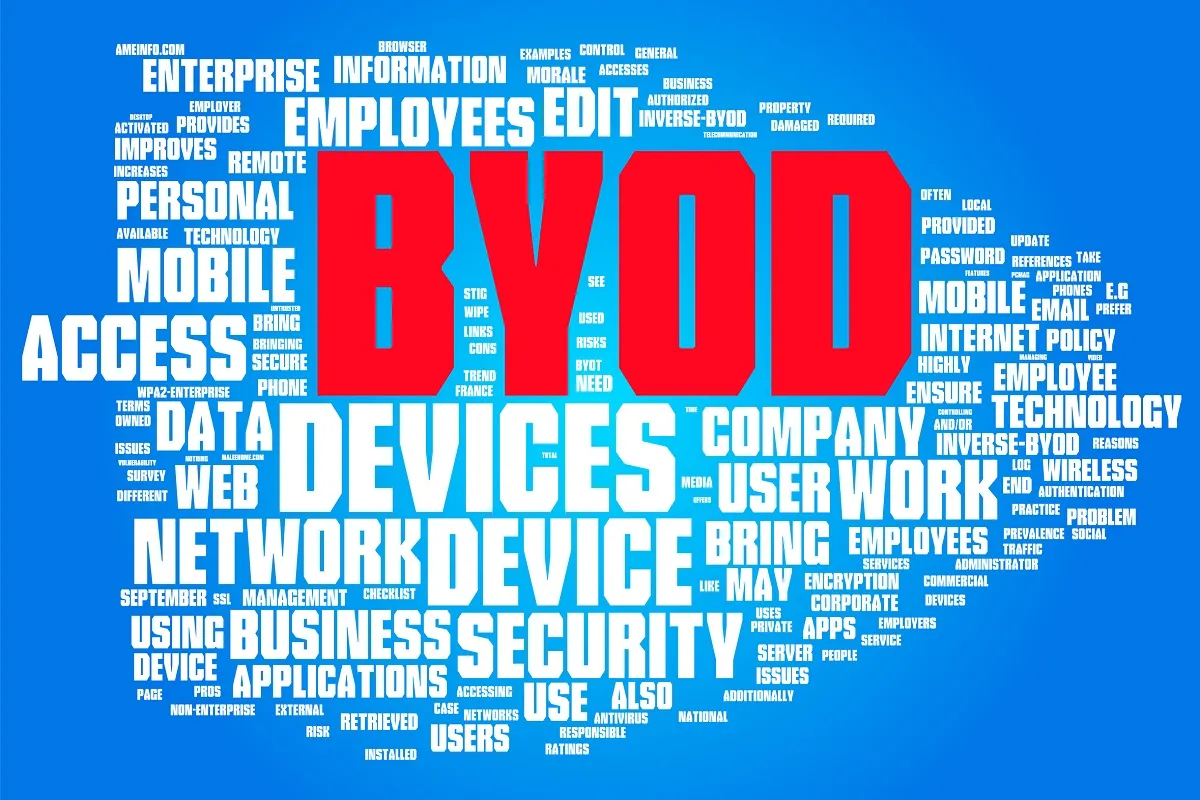
Bring your own device (BYOD) seems like a great idea. For starters, it means users, who know how to work their own smartphones, laptops and tablets, are more productive at little or no cost to the organisation.
A cursory glance in many a technology journal will have experts singing the praises of this trend and how it will supposedly revolutionise the way people interact with technology at work as they will bring in the latest, sexy gadget into the workplace that, in turn, will make them more productive.
There is a difference between BYOD and Bring Your Own PC. I've yet to see a viable economic model that really supports Bring Your Own PC.
That's the theory anyway. The reality for many IT organisations is quite different. In some cases the additional costs of licences to support and secure an employee's own device is far more expensive than buying them the same device from the corporate purse.
Rather than removing a device from the corporate balance sheet, it can add hidden costs. A company with 1,000 mobile devices spends and extra $170,000 (107,000) per year on average, when they use a BYOD strategy, according to research published by the Aberdeen Group in April 2012.
The cost of BYOD is "splintered among many departments", which creates more work for the end user, the finance department as well as other stakeholders within the organisation, claims Hyoun Park, a research analyst at Aberdeen's Telecom and Unified Communications arm.
"As a result, corporate-liable devices end up being 14 per cent cheaper per month when all costs are considered," says Park. "In comparison, corporate-liable devices likely to be centrally managed and have fewer compliance and archiving issues related to usage and billing."
The cold, hard fact about BYOD is that not only would it take time to transition a phone contract from being a corporate liability to one an individual employee is liable for, but also individuals cannot get the same discounts on their monthly mobile bill that the corporate can get.
Sign up today and you will receive a free copy of our Future Focus 2026 report - the leading resource for IT decision-maker insight on priorities and investment areas in AI, security and more.
A similar story is true for laptops. A corporate can negotiate better discounts if they buy a number of computers that the lone employee cannot.
BYOPC
"It becomes a very different proposition when you bring your own PC," says Jim Henrys, principal strategist at Intel. "There is a difference between BYOD and Bring Your Own PC. I've yet to see a viable economic model that really supports Bring Your Own PC."
If people are given an allowance to buy their own PC, then typically a 40 per cent premium needs to be added to make up for tax implications, says Henrys.
ITPro is a global business technology website providing the latest news, analysis, and business insight for IT decision-makers. Whether it's cyber security, cloud computing, IT infrastructure, or business strategy, we aim to equip leaders with the data they need to make informed IT investments.
For regular updates delivered to your inbox and social feeds, be sure to sign up to our daily newsletter and follow on us LinkedIn and Twitter.
-
Laid off Intel engineer accused of stealing 18,000 files on the way outNews Intel wants the files back, so it's filed a lawsuit claiming $250,000 in damages
-

Dell says Windows 11 migration is a prime opportunity to overhaul ageing PC fleets – and AI devices are in the spotlightNews The shift to Windows 11 means IT leaders can ditch old tech and get their hands on AI PCs
-

The days of bringing your own device to work could be coming to an endNews Security concerns are prompting a rethink of ‘bring your own device’ policies
-
Driving employee experience and productivity across industrieswhitepaper Monitors are an imperative in the hybrid era
-

Forrester: Power up your hybrid workplace with monitorswhitepaper Evolve remote work policies into work-and-learn-from-anywhere strategies
-

How monitors deepen your employee experience and support your distributed workforcewhitepaper Drive business outcomes by empowering, enabling, and inspiring employees with the right monitors wherever they work from
-

PowerEdge - Cyber resilient infrastructure for a Zero Trust worldWhitepaper Combat threats with an in-depth security stance focused on data security
-
How to create a secure foundation to keep your business safe
Advertisement Feature The cyber security landscape has fundamentally changed in recent years, and the days of a four-year hardware refresh cycle are well and truly over