
Easing off the tablets
Analyst research suggests tablet sales are flattening, but the decline in notebook sales may be halting too
Inside the enterprise: Over the last few years, sales of PCs, both laptops and desktops, have been in decline. Depending on your point of view, that decline has either been caused by, or offset by, growing sales of tablet devices.
The data takes a little unpicking. Over the last decade we have seen a steady decline in the sale of conventional desktop computer systems, at least in Western markets. As laptops became more affordable and more powerful, more companies started to switch to laptops for a larger number of workers, and in some cases, for most workers.
But the economic downturn appeared to cause an across the board halt in computer sales overall, including laptops.
Companies stretched their IT budgets by deferring upgrades; uncertainties about operating systems and among some users and IT teams, an outright dislike of Windows 8 prompted companies to stick with Windows 7 and machines that were, largely, still good enough.
The growth in the personal computing sector, where there was growth at all, seems to have come from tablets. Undoubtedly some companies issued tablets instead of laptops. Others will have offered them to staff as an additional device.
And some growth will certainly have come from BYOD (bring your own device) programmes. Whilst firms teased out an extra year or two of life from their laptops, staff were allowed, and often even encouraged, to bring in a shiny tablet instead. Tablets were the future of the personal computing industry, it seemed.
Has that trend now gone into reverse? Some analyst research suggests it might. Market watchers are split in how they measure tablet sales. Some count them in with laptops. Others split them out as a separate category. And with the growth of large-screen smartphones or phablets, it is of course hard to draw a clear line.
Sign up today and you will receive a free copy of our Future Focus 2026 report - the leading resource for IT decision-maker insight on priorities and investment areas in AI, security and more.
A flattening of tablet sales is no real surprise. The novelty factor has worn off, and it is hard to see where the next great innovation in tablet computers will come from.
None the less, some of the statistics make for interesting reading, at least for CIOs looking at their organisatons' personal device policies.
According to analysts Canalys, worldwide tablet sales fell five per cent to just under 50m units in the second quarter of this year. The firm put the decline down to falling sales by the sector's two market leaders: Apple and Samsung. Between them, Canalys calculates the two firms make up 46 per cent of the global tablet market.
A flattening of tablet sales, at this stage in their product life cycle, is no real surprise. The novelty factor has worn off, and it is hard to see where the next great innovation in tablet computers will come from. The latest tablets, such as the iPad Air, are capable devices, but there is a limit to how far manufacturers can go in making their devices thinner and lighter.
"A slowdown in the pace of innovation is creating an issue for tablet vendors. The tablet market has quickly found itself in the same position the notebook market was in some years ago, with minimal increases in hardware performance forming the basis for an argument to upgrade," suggests Canalys analyst Tim Coulling.
PCs, though, have done better, and less because of hardware innovation than because of falling prices. Dell, HP, Lenovo and Apple have seen computer shipments increase. This, in turn, has been driven by improving economic conditions, but also falling laptop prices.
In fact, with the gap between laptop and tablet prices narrowing, it will be interesting to see how that affects user choice. Some people who may have chosen a tablet because it was cheaper might now opt for a touch-screen laptop instead. Tablet makers will need to respond with innovation or price cuts of their own.
Stephen Pritchard is a contributing editor at IT Pro.
-
Faking it: how to prevent ‘performative AI’ use in the workplaceIn-Depth Workers should be able to voice uncertainty to leaders as research shows some are exaggerating AI skills out of fear of losing their jobs
-

Need a fleet of solid Windows business laptops? Modernize with the Dell Pro 3Sponsored Aging laptops can nix a small business’s efficiency and productivity, but the Dell Pro 3 can help bring you up to date
-
HP Color LaserJet Enterprise 4701dw review: A smart color laser printer for small teamsReviews This color laser from HP can deliver decent performance and strong results, but only if you don't mind tweaking its settings
-
Lenovo ThinkPad L16 Gen 3 review: All about the productivityRecommended A rock-solid big-screen productivity machine, though you could get more performance and a better screen if you look elsewhere
-
The AI-enhanced Lenovo ThinkPad L14 Gen 7 underperforms with Intel's latest techReviews A solid ThinkPad refresh, albeit with a slightly disappointing screen, but it's a well-built and hugely usable laptop.
-
All hail the HP OmniBook Ultra 14 – the battery life king of compact laptopsReviews As a versatile and capable daily driver, HP's cheapest Snapdragon X2-powered compact OmniBook Ultra takes some beating
-
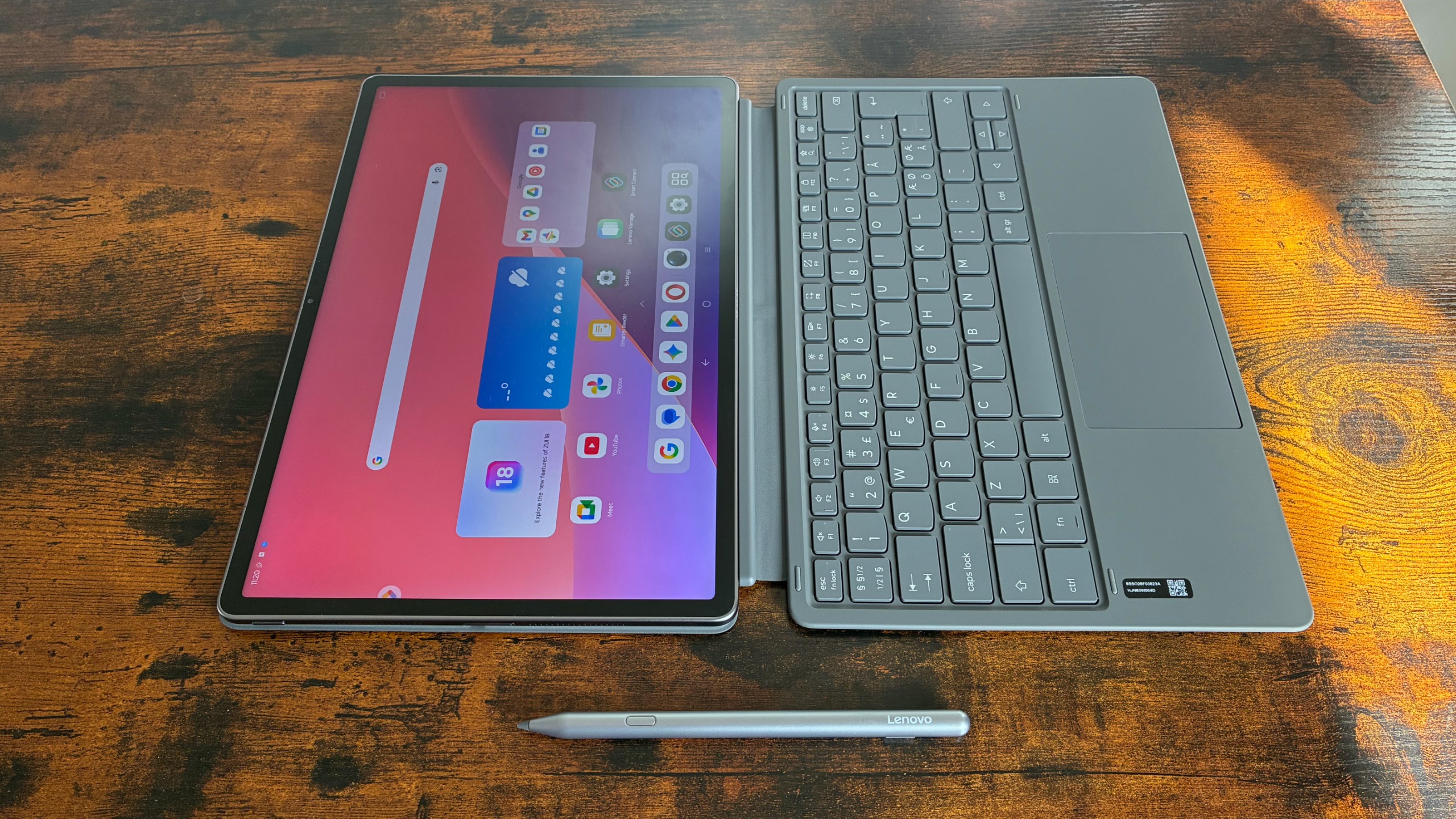
The Lenovo Idea Tab Pro Gen 2 is a solid tablet and keyboard combo but still a little disappointing – and you'll hate the penReview Great battery life and a crisp display fail to raise the Idea Tab Pro above ordinary
-
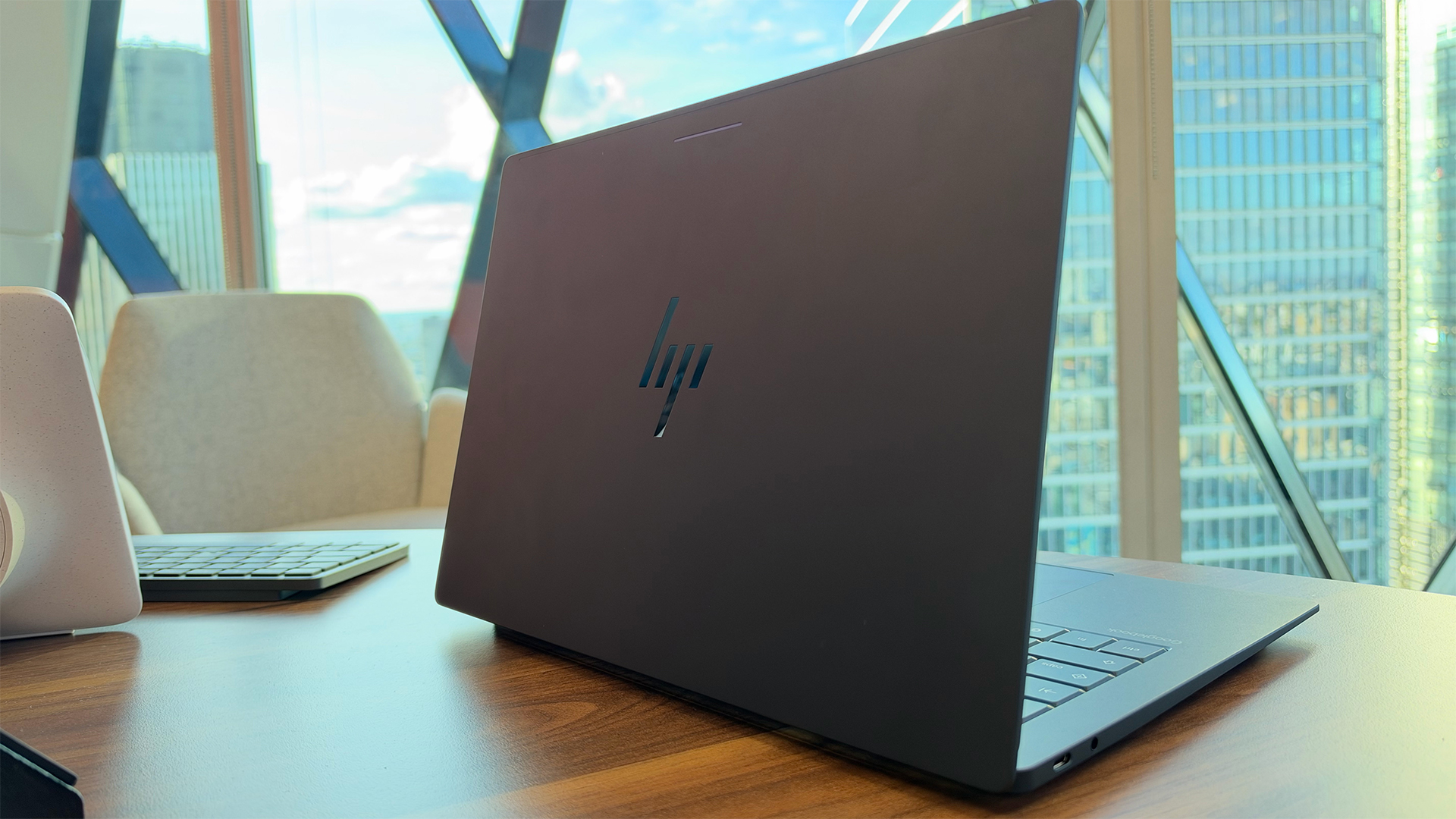
Googlebook: Everything you need to know about the new Gemini-powered laptop range – including pricing, performance specs, and release datesNews A new class of Gemini-powered laptops is here with the aim of fusing Android and Chrome
-
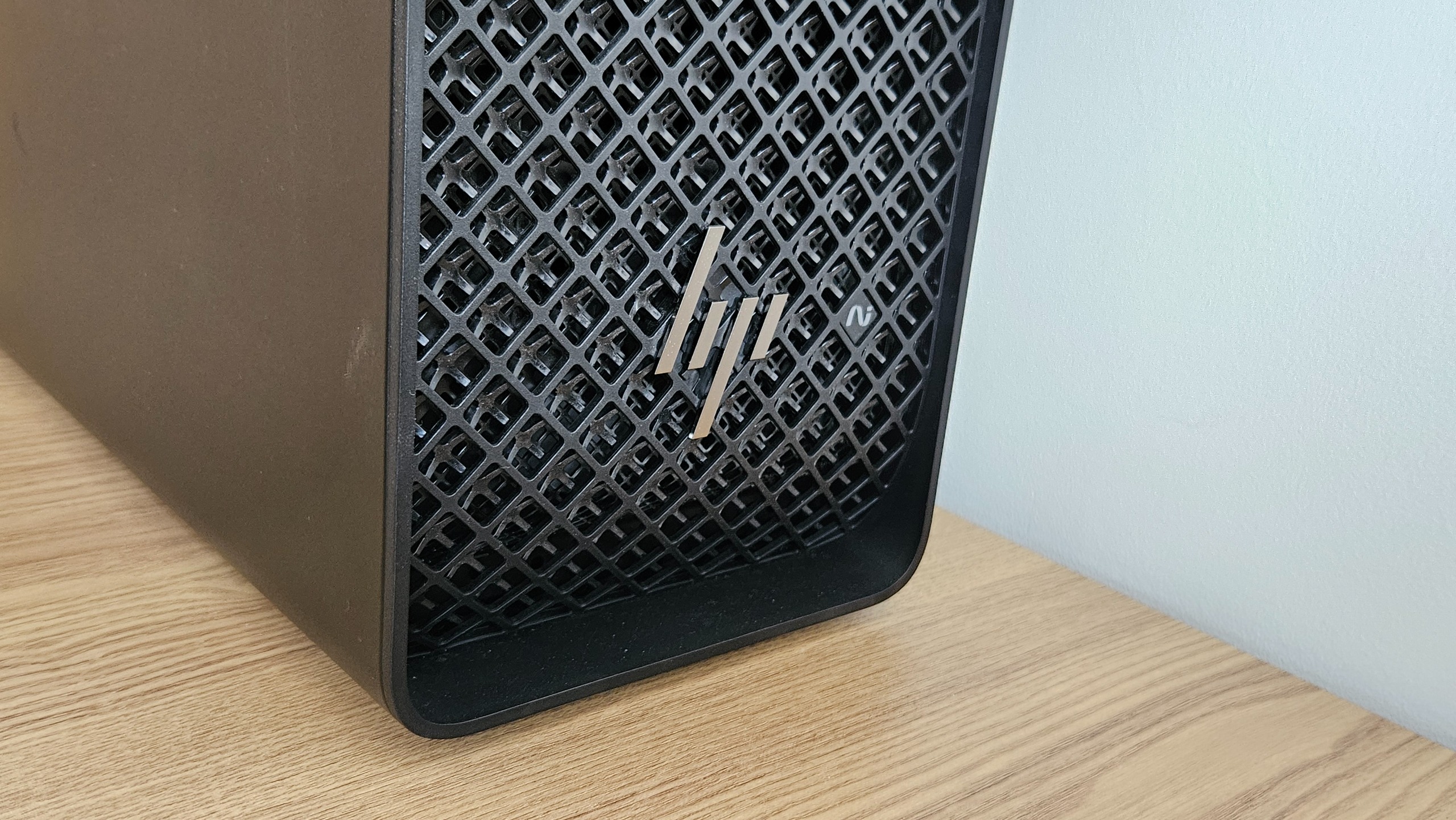
The HP Z4 G6i Workstation is a breathtaking colossus that will bring data center-grade performance to your desktopReviews This foray into the overcharged desktop workstation is an absolute triumph, despite the frankly ridiculous price tag
-

Your AI strategy has a paper problemSponsored How multifunction, AI-enabled printers earn their place at the table