
-
 HPE eyes infrastructure flexibility gains with new Private Cloud AI announcements at GTC Berlin
News New GPU flexibility features will support a “broader mix of AI workloads” for HPE Private Cloud AI users
-
 SAP AI NOW: Follow the keynote live from the NEC
Live Blog Find out more about the latest insight and research live from the Birmingham NEC


-
 US seizes vulnerability scanning and spear phishing tools used by China-sponsored hackers
News Integrity Technology Group enabled vulnerability scanning and intrusions targeting US and foreign critical infrastructure
-
 Cisco sounds alarm over new Russian malware campaign hitting firms in US and Europe
News UAT-11795 is weaponizing legitimate software such as WebEx and Zoom to dupe victims
-
 Security experts sound alarm over 'expanded' China-linked botnet used to target US critical infrastructure and military assets
News The China-linked botnet highlights risk of leaving routers and IoT devices unpatched
-
 The key risks security teams face in 2026
From AI-related flaws to supply chain risks, cyber professionals now contend with overlapping challenges
-
 Observability will be key to agentic AI safety, says Microsoft Security exec
News Agentic AI adoption will require a re-evaluation of enterprise risk management, according to Microsoft corporate VP
-
 Enterprises need to think of agents as ‘digital co-workers’ – and that means implementing the same security safeguards
News Practices such as zero trust and least privilege will be needed as agents gain access to sensitive enterprise data
-
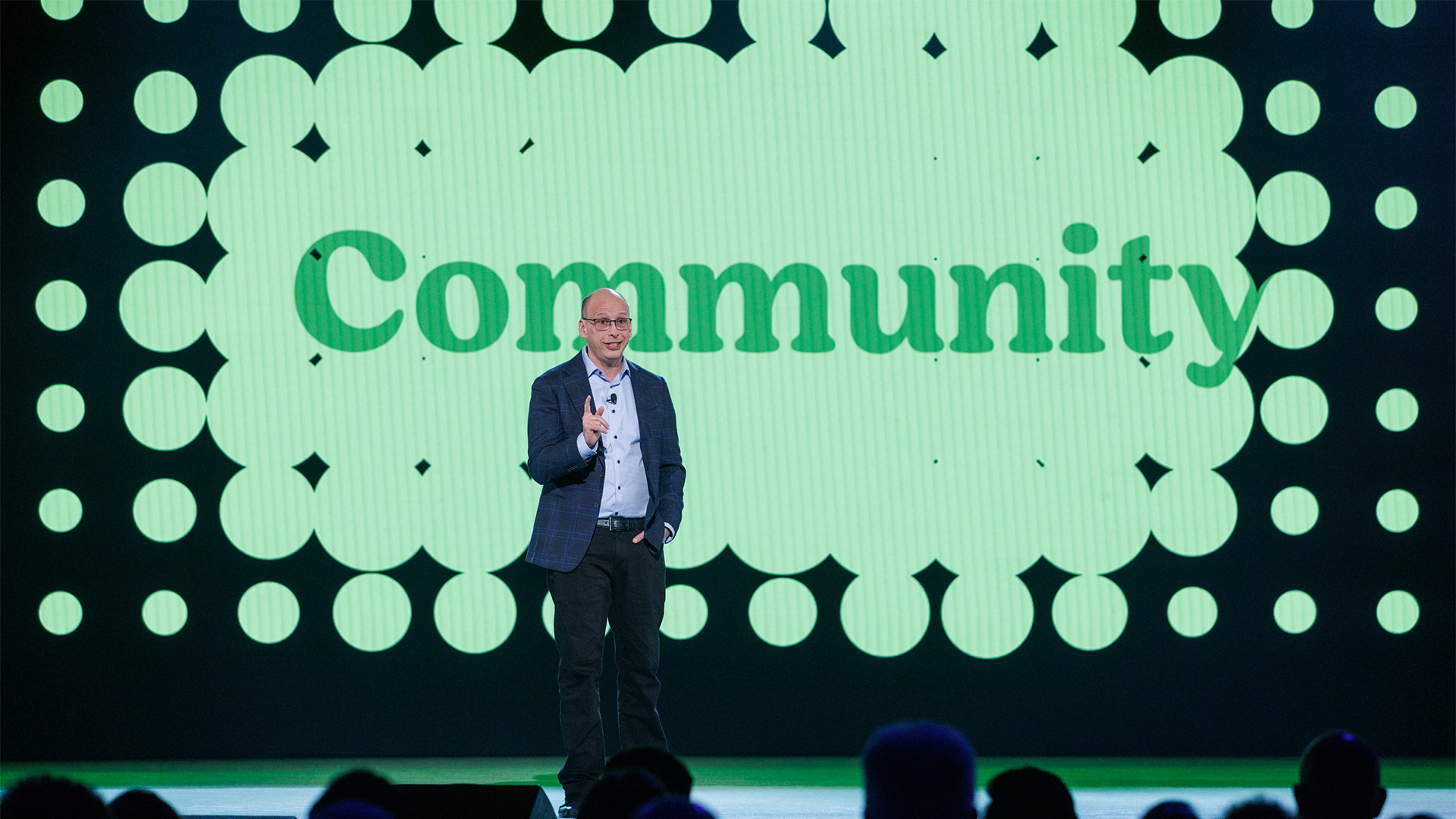 Safe AI adoption rests on cybersecurity professionals, says RSAC chairman
News With AI security a key talking point at RSAC 2026, executive chairman Hugh Thompson believes the industry can lead by example
-
 Thousands of Asus routers are being used to fuel a massive cyber crime spree
News Black Lotus Labs has spotted a massive botnet of Asus routers built by malware that uses a common peer networking tool


