
-
 10 reasons to choose the Dell Pro 5 for your business
Sponsored The Dell Pro 5 laptop is a productivity powerhouse, hitting the sweet spot businesses like yours
-
 How small-business leaders can work anywhere more securely with Dell Pro laptops
Sponsored A modern secure, workplace needs modern, secure laptops. We take a look at the security features available with the Dell Pro range of business laptops.


-
 Millions duped in poisoned Google Image attack
News Trend Micro finds a well-crafted poisoned SEO campaign has seen millions of users visit malicious pages.
-
 Microsoft and Google squabble over copy claims
News Google alleges Microsoft directly copies search results for Bing. The Redmond giant disagrees.
-
 We only make the guns…
News Google can cost you your job, but you only have yourself to blame.
-
 EU warns internet giants on privacy
News A letter from the Article 29 Data Protection Working Party has been sent to Google, Yahoo and Microsoft telling them to buck up their ideas when it comes to online privacy.
-
 'Sex' makes list of top search terms for children
News The term is the ninth most searched term for children under seven, but doesn't make the top 20 for older teens.
-
 Bebo tops UK list of most dangerous search terms
News McAfee lists the top ten keywords that are most likely to direct you to a website carrying malware.
-
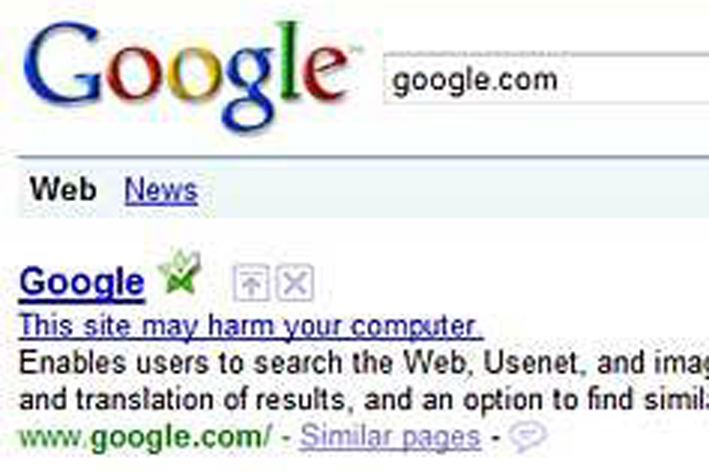 Google apologises after blacklisting entire internet
News A typo lead to Google's malware blacklist being applied to every site returned in its search results for an hour today.
-
 Yahoo and McAfee integrate security warnings into search
News Yahoo Search users will see websites at risk and hopefully avoid those which are definitely compromised, thanks to a new partnership announced today.


