
-
 The hidden cost of tool sprawl on the channel
Industry Insights Tool sprawl represents major challenges for MSPs, so how can the issue be tackled?
-
 Iran power plant closure is a warning to all businesses: How to respond
In-depth After the first attack of its kind, how big is the risk, who does it impact, and how should firms react?


-
 Amazon OpenSearch update targets performance boosts and lower costs – and at no extra charge for users
News Surging data volumes have prompted an overhaul of Amazon’s OpenSearch service
-
 Big tech earnings: Hyperscaler growth rates impress, but concerns remain over surging infrastructure capex
News Concerns remain over big tech infrastructure spending despite positive earnings reports
-
 January rundown: Amazon layoffs and the return of XPS
ITPro Podcast This year's tech layoffs have just begun, as Amazon sheds 16,000 workers in one go
-
 Amazon is cutting 14,000 roles in a bid to ‘operate like the world's largest startup’
News The layoffs at Amazon mark the latest in a string of cuts in recent years
-
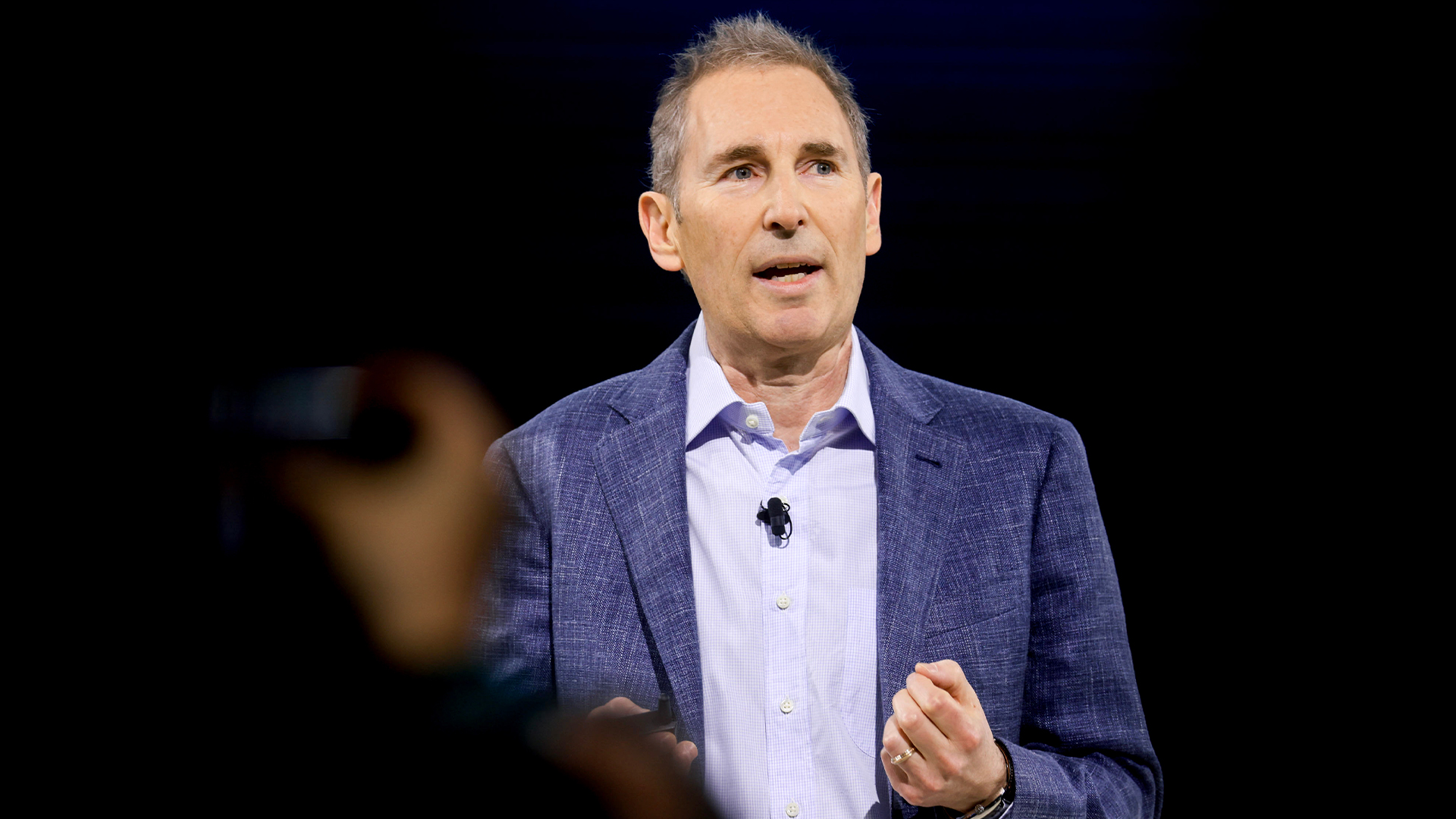 ‘Lean into it’: Amazon CEO Andy Jassy thinks enterprises need to embrace AI to avoid being left behind – even if that means fewer jobs in the future
News Amazon CEO Andy Jassy thinks companies need to "lean into" AI and embrace the technology despite concerns over job losses.
-
 Microsoft workers face a fresh round of layoffs – here’s who could be impacted
News Microsoft will cut 6% of its workforce, equivalent to around 6,000 workers, as part of its latest cost-cutting drive.
-
 ‘If you want to look like a flesh-bound chatbot, then by all means use an AI teleprompter’: Amazon banned candidates from using AI tools during interviews – here’s why you should never use them to secure a job
News Amazon has banned the use of AI tools during the interview process – and it’s not the only major firm cracking down on the trend.
-
 Amazon's RTO mandate could spark a talent exodus
News A survey of Amazon staff suggests plenty remain unhappy about returning to the office next year


