
Haiku: Reason to believe
Richard Hillesley looks at whether Haiku will get the opportunity to move from a hobby to a viable open source alternative.
That should have been the end of the story. But BeOS had acquired a passionate following who weren't prepared to give up that easily.
BeOS lived on in a variety of imitations and open source projects, the best known of which was Blue-Eyed OS, which became defunct several years ago. The BeOS codebase survived as the base for ZETA, an operating system developed by YellowTAB and distributed by magnussoft until, in a pattern that had become familiar for the fans of BeOS, the inheritors of the rights to BeOS pulled the plug on magnussoft's rights to distribute the code.
Nonetheless, a surprising number of BeOS websites are still out there, not quite functioning, but offering downloads of add-ons and the BeOS 5.0 personal edition, which will only work on machines of a certain vintage with less than 1GB of RAM.
Haiku is a labour of love, and has been eight years and seven million lines of code in the making.
At a technical level, BeOS had everything going for it. It had a modular microkernel, was written in C++, and featured bash and GNU command line tools alongside a generous helping of user side utilities, as well as a quick and tidy interface, which has been replicated by the Haiku developers.
Haiku looks and feels like a slightly more polished version of BeOS, and is a complete replacement of all but BeOS Tracker and Deskbar which were open sourced by Be Inc at the turn of the last decade. The world of free software presents Haiku with the possibility of a cornucopia of tools and applications that weren't available to BeOS, and there is a clear roadmap towards the release of R1, which aims to be "a viable replacement for BeOS R5 (and later)", capable of functioning on modern hardware.
The Haiku developers have employed a FreeBSD network driver compatibility layer to allow FreeBSD network drivers to be compiled and used in Haiku, and are using Apple's open source Webkit as the framework for WebPositive, Haiku's native browser.
Sign up today and you will receive a free copy of our Future Focus 2026 report - the leading resource for IT decision-maker insight on priorities and investment areas in AI, security and more.
Haiku has reached its second alpha release, and as one might expect, remains prone to occasional mishaps and application crashes, has bugs to be fixed, and suffers from a lack of drivers for some devices. But it definitely feels like an operating system with a future.
-
3 ways to get your data AI-readySponsored Data placement, preparation, and orchestration make or break an AI project – and the Dell AI Data Platform reduces the strain on enterprise IT teams across both storage and the data foundation
-
Samsung tests new shapes for a more immersive Galaxy Z Fold 8 lineupNews A new titanium structure reinforces the Samsung Galaxy Z Fold 8 Ultra, while the standard 8 sports a 3:4 ratio for more immersive content consumption
-
Why is Windows 11 so disliked by programmers – and can Microsoft do anything to change things?Windows isn't the most useful OS in the eyes of developers, with programmers preferring macOS or Linux. But is its bad reputation uncalled for?
-

AI is coming to Ubuntu: Canonical exec teases future AI features and agentic workflow capabilities for version 26.10 — but on a ‘strictly opt-in basis’News A range of new AI features are coming to Ubuntu over the next year, according to maintainers, but only providing they’re of “sufficient maturity and quality”.
-
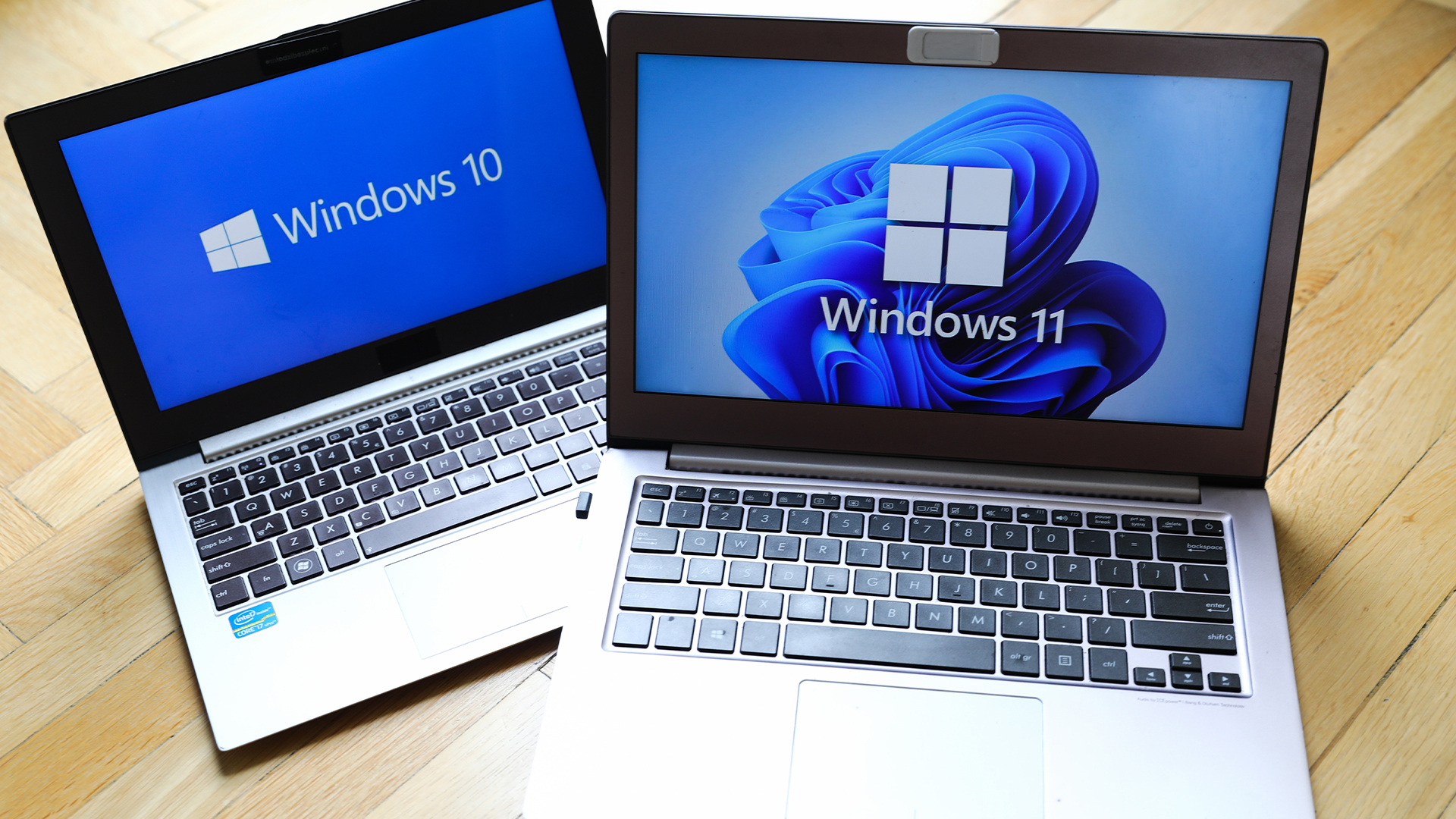
Windows 10 extended support costs could top $7 billionNews Enterprises sticking with Windows 10 after the October deadline face huge costs
-
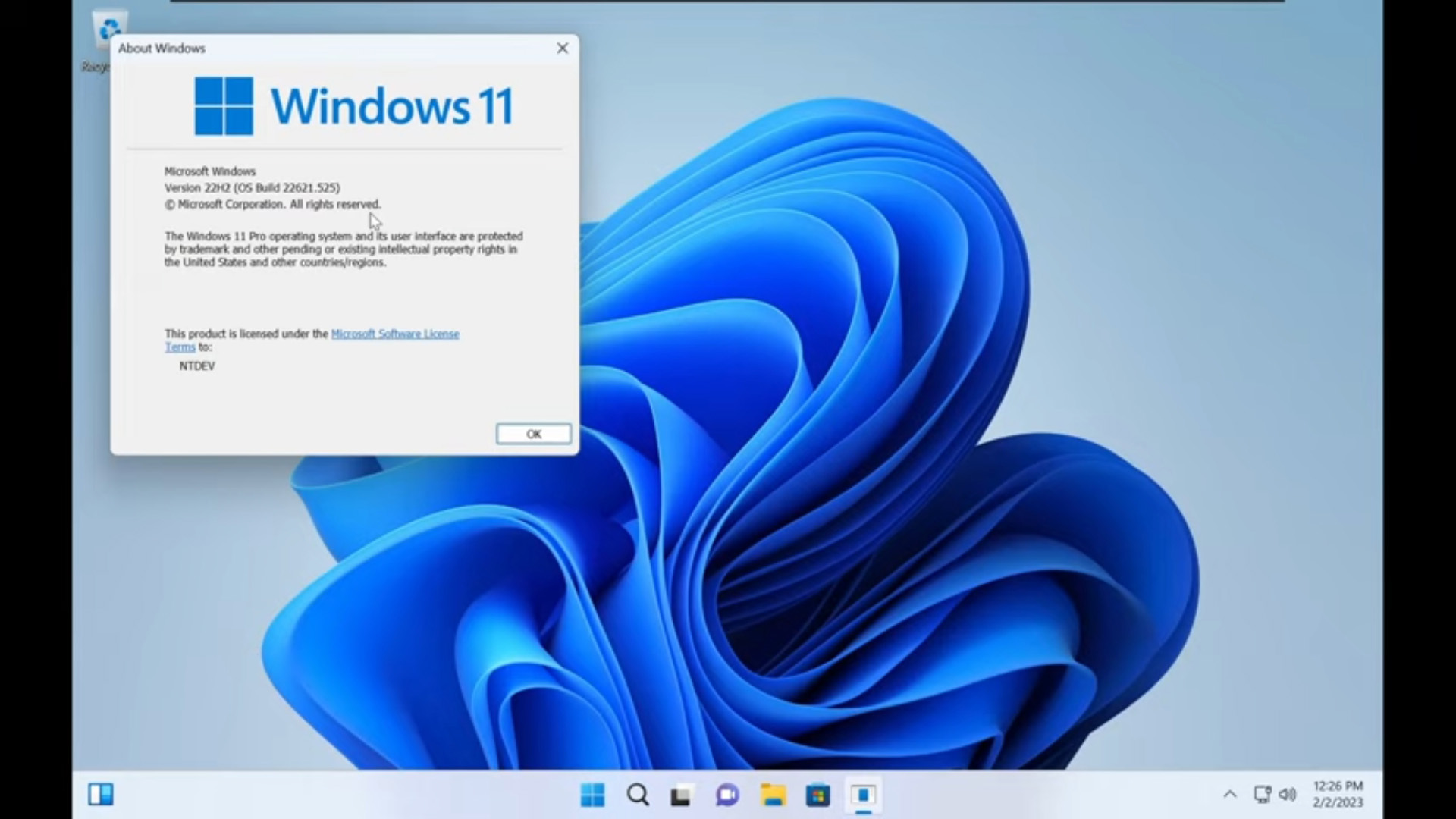
Tiny11 review: Windows 11 with only 2GB of RAMReview A version of Windows 11 for older machines that don't meet the full requirements
-

Red Hat Enterprise Linux becomes foundational operating system for Cohesity Data CloudNews New strategic partnership between Red Hat and Cohesity aims to drive innovation in the data security and management space
-
Ubuntu shifts to four-week update cycleNews Critical fixes will also come every two weeks, mitigating the issues involved with releasing prompt patches on the old three-week cadence
-

AlmaLinux follows Oracle in ditching RHEL compatibilityNews Application binary compatibility is now the aim with 1:1 now dropped
-

How big is the Windows 10 cliff-edge?ITPro Network With some comparing the upcoming Windows 10 end of life to Windows XP, we ask members of the ITPro Network for their insight