Ubuntu 11.10 code named Oneiric Ocelot
The next version of the open source OS will continue the double-barrelled, animal-themed naming convention of is predecessors.


-
 How resellers can turn hybrid meeting pain into repeatable revenue
Industry Insights Reliable technology turns hybrid work frustrations into recurring reseller revenue opportunities
-
 Asus Zenbook 14 (Snapdragon X UX3480Q) review
Reviews Poor battery performance and an older Snapdragon chip, but still a good choice for the office


-
 Why is Windows 11 so disliked by programmers – and can Microsoft do anything to change things?
Windows isn't the most useful OS in the eyes of developers, with programmers preferring macOS or Linux. But is its bad reputation uncalled for?
-
 AI is coming to Ubuntu: Canonical exec teases future AI features and agentic workflow capabilities for version 26.10 — but on a ‘strictly opt-in basis’
News A range of new AI features are coming to Ubuntu over the next year, according to maintainers, but only providing they’re of “sufficient maturity and quality”.
-
 Alert issued over critical vulnerabilities in Linux’s AppArmor security layer – more than 12 million enterprise systems are at risk of root access
News Researchers have warned Linux flaws allow unprivileged local users to gain root privileges and weaken container isolation
-
 Windows 10 extended support costs could top $7 billion
News Enterprises sticking with Windows 10 after the October deadline face huge costs
-
Linux just hit an all-time high share of the global desktop market — and surging popularity in India is driving uptake of the open source operating system
News Linux is still dwarfed by operating systems such as Windows, but it’s making modest gains off the back of growing popularity in emerging markets
-
 Linux Blue Screen of Death gives users a taste of the dreaded Windows feature
News The Linux Blue Screen of Death has been added in a recent update
-
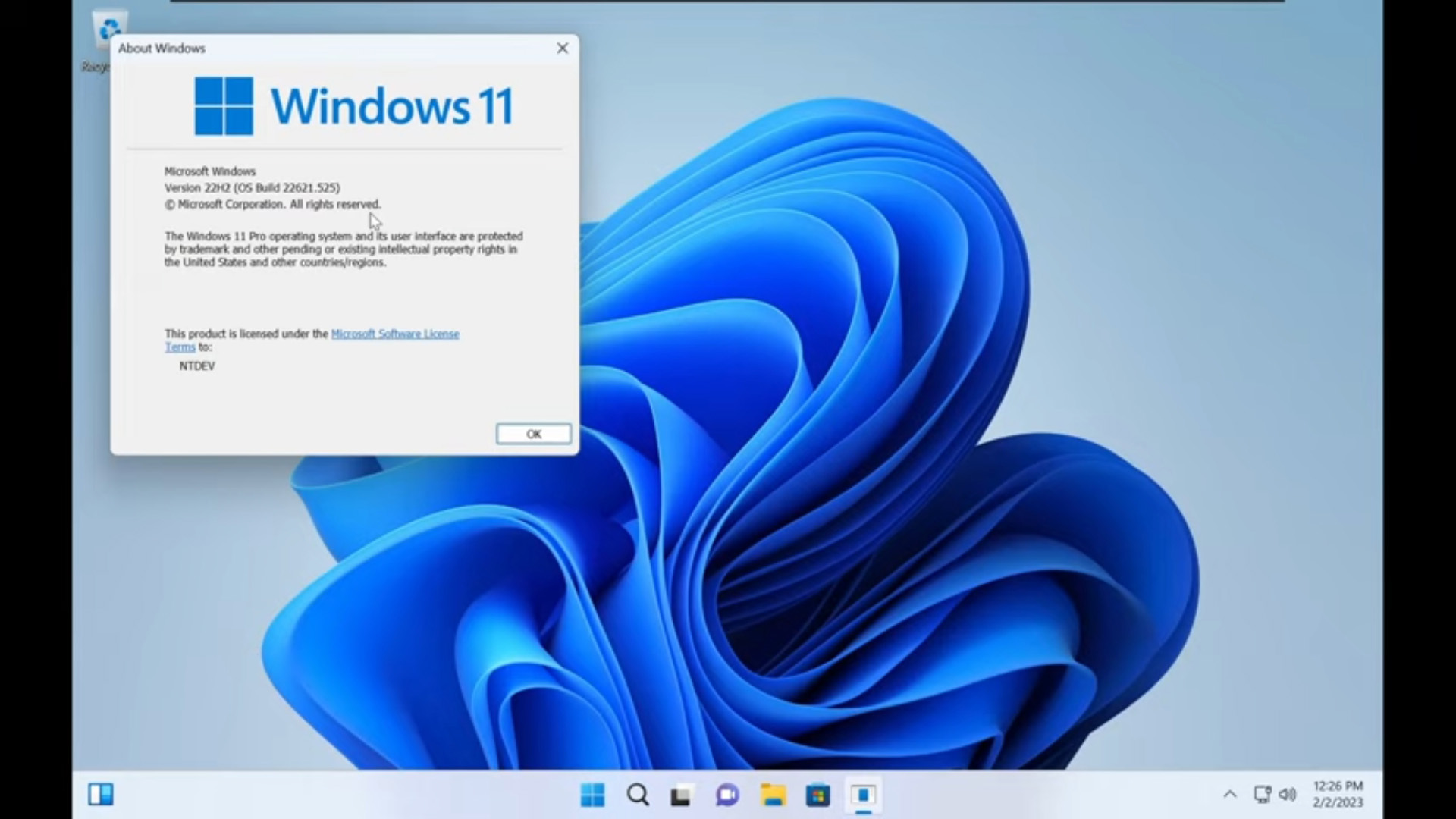 Tiny11 review: Windows 11 with only 2GB of RAM
Review A version of Windows 11 for older machines that don't meet the full requirements
-
 Red Hat Enterprise Linux becomes foundational operating system for Cohesity Data Cloud
News New strategic partnership between Red Hat and Cohesity aims to drive innovation in the data security and management space


