IE9 a ‘non-event’ for most businesses
With no Windows XP compatibility as of yet, the release of IE9 will mean little to most companies.
Most corporate IT departments will not be affected by the release of Internet Explorer 9 (IE9), largely because of its current incompatibility with Windows XP, according to an analyst.
Microsoft pushed out the latest iteration of its browser at around 4am this morning.
Whilst the Redmond giant claimed the "best experience of the web is on Windows with Internet Explorer 9," Ovum principal analyst Richard Edwards said, for most businesses, the launch would be a "non-event."
"This is largely because IE9 does not run on Windows XP - the operating system running on 67 per cent of corporate desktops," Edwards said.
"Organisations with public-facing websites will probably try and encourage consumers to use the more capable, web standards compliant IE9 in order to make life easier for their web developers and to wow them with a richer experience, but non-technical users will probably wait until Microsoft pushes the browser out in a Windows service pack."
Edwards said in the coming years the real browser wars would not be on the desktop but on the smartphone and tablet.
"This is where Microsoft's existing browser offering still has a lot of catching up to do," he added.
Sign up today and you will receive a free copy of our Future Focus 2026 report - the leading resource for IT decision-maker insight on priorities and investment areas in AI, security and more.
What's new?
Despite questions over the impact IE9 would initially have, businesses who do decide to adopt the browser will gain a range of additional features.
In particular, Microsoft has talked up the browser's hardware acceleration, which will help power HTML5 content.
The firm said IE9 could unlock 90 per cent of the PC's power which has not been exploited by previous browsers and this should improve the overall user experience.
Microsoft has been working with Adobe on ensuring Flash Player can take advantage of the hardware acceleration capabilities as well.
There is also the ability to place favourite websites on the Windows 7 Taskbar to gain quick access to those sites.
As for security, Microsoft has kept the tracking protection feature added to a beta version in December. Both Mozilla and Google have been working on similar features within their respective Firefox and Chrome browsers.
Meanwhile, two SmartScreen technologies in the form of malware protection and a download feature, designed to remove warnings on well-known files and bring up starker warnings when a file has a higher risk, have been added.
According to Microsoft, IE9 can block 99 per cent of socially engineered malware attacks five times more than Firefox and 33 times more than Chrome.
Tom Brewster is currently an associate editor at Forbes and an award-winning journalist who covers cyber security, surveillance, and privacy. Starting his career at ITPro as a staff writer and working up to a senior staff writer role, Tom has been covering the tech industry for more than ten years and is considered one of the leading journalists in his specialism.
He is a proud alum of the University of Sheffield where he secured an undergraduate degree in English Literature before undertaking a certification from General Assembly in web development.
-
BT teams up with tech industry big hitters in UK cyber resilience driveNews The Cyber Prepared UK initiative will offer small businesses technical training on how to respond to cyber threats
-
AWS has a chance to showcase its maturity at re:Invent 2026Opinion With agentic AI likely to dominate the narrative, AWS will be keen to highlight its solid infrastructure pedigree
-
Move over Chromebook – Google teases Gemini-native Googlebook range, with new laptops coming later in the yearNews Googlebooks from Acer, Asus, Dell, HP, and Lenovo will hit shelves in the fall
-
Flaw in Chrome’s Gemini Live gave attackers access to user cameras and microphonesNews The in-browser AI assistant loads differently in the side panel, rather than a regular tab, exposing users to risks
-
Everything you need to know about Google and Apple’s emergency zero-day patchesNews A serious zero-day bug was spotted in Chrome systems that impacts Apple users too, forcing both companies to issue emergency patches
-
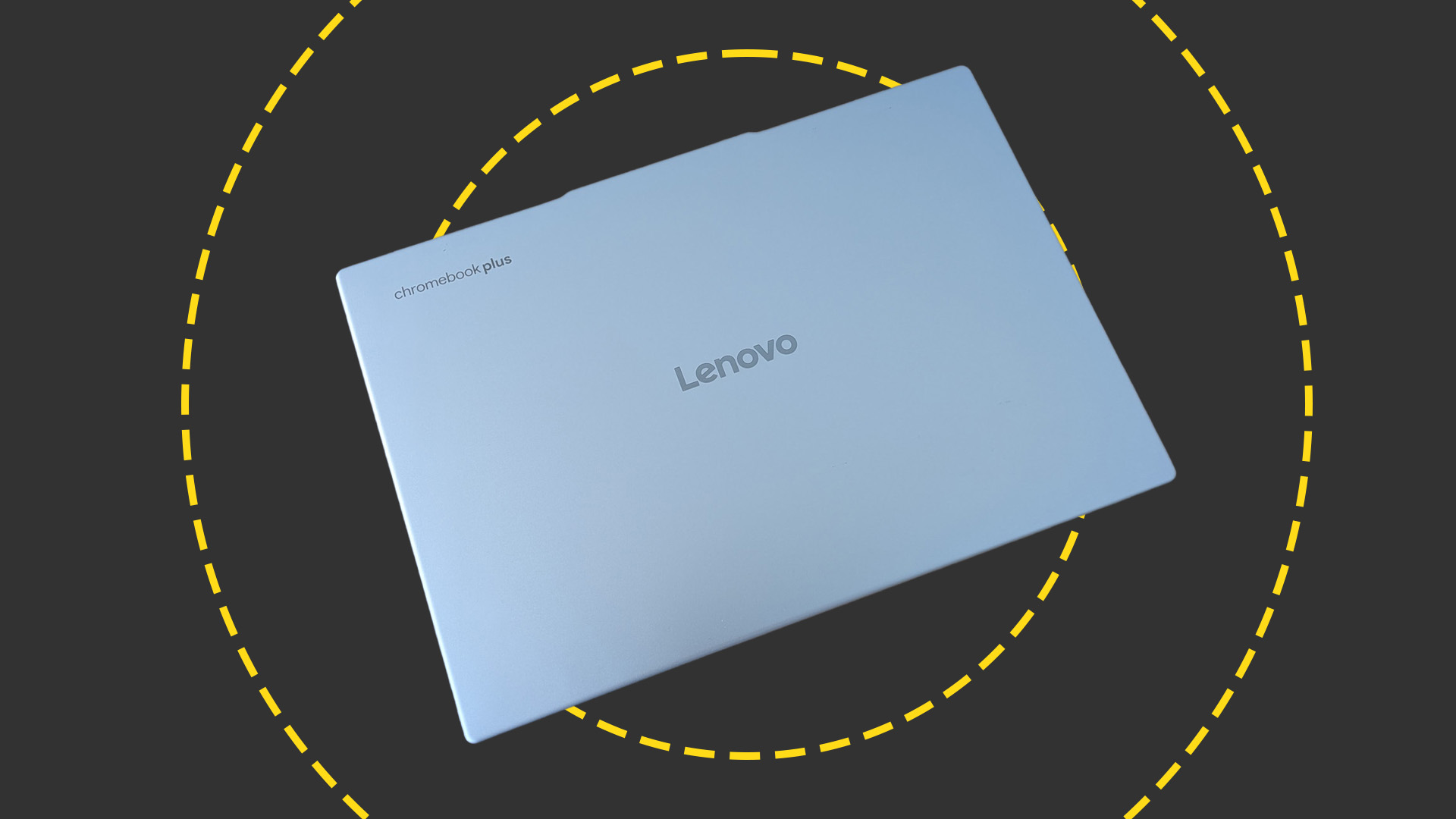
Possibly the best around – the Lenovo Chromebook Plus 14 (Gen 10) is a stellar option for businesses looking to pilot ChromebooksReviews The Lenovo Chromebook Plus 14 is a beautifully put-together, AI-ready Chromebook with excellent performance, good battery life, and a fantastic OLED screen
-

Google breakup plans would ‘hurt America’s consumers, economy, and technological leadership’, senior exec claimsNews Google has struck back against US regulators, claiming that plans to dismantle the company would "hurt the economy".
-
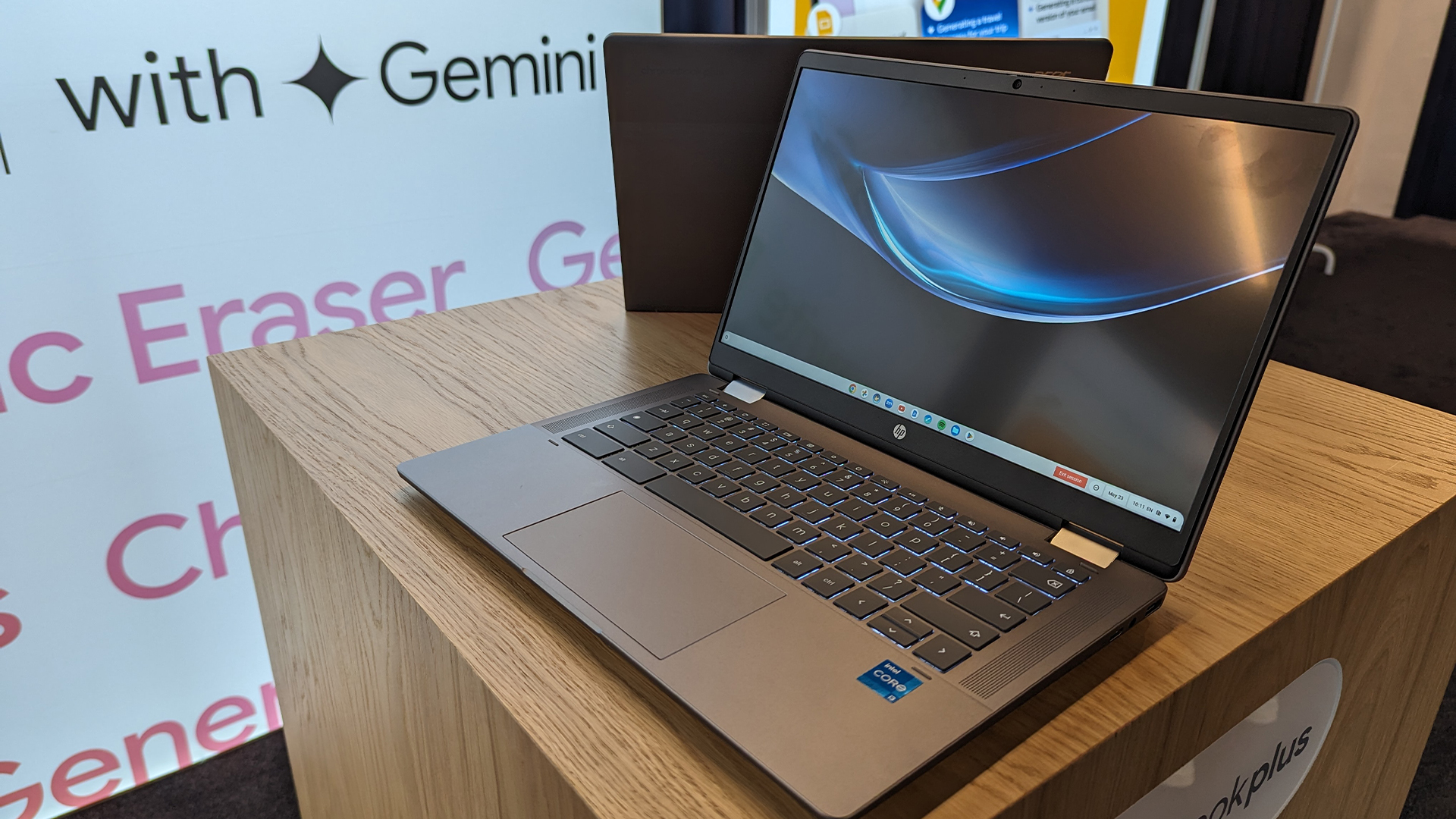
Chromebook Plus devices are getting an AI boost with Gemini — and we’ve had an early previewNews New AI features in Chromebook Plus devices will help supercharge user productivity
-
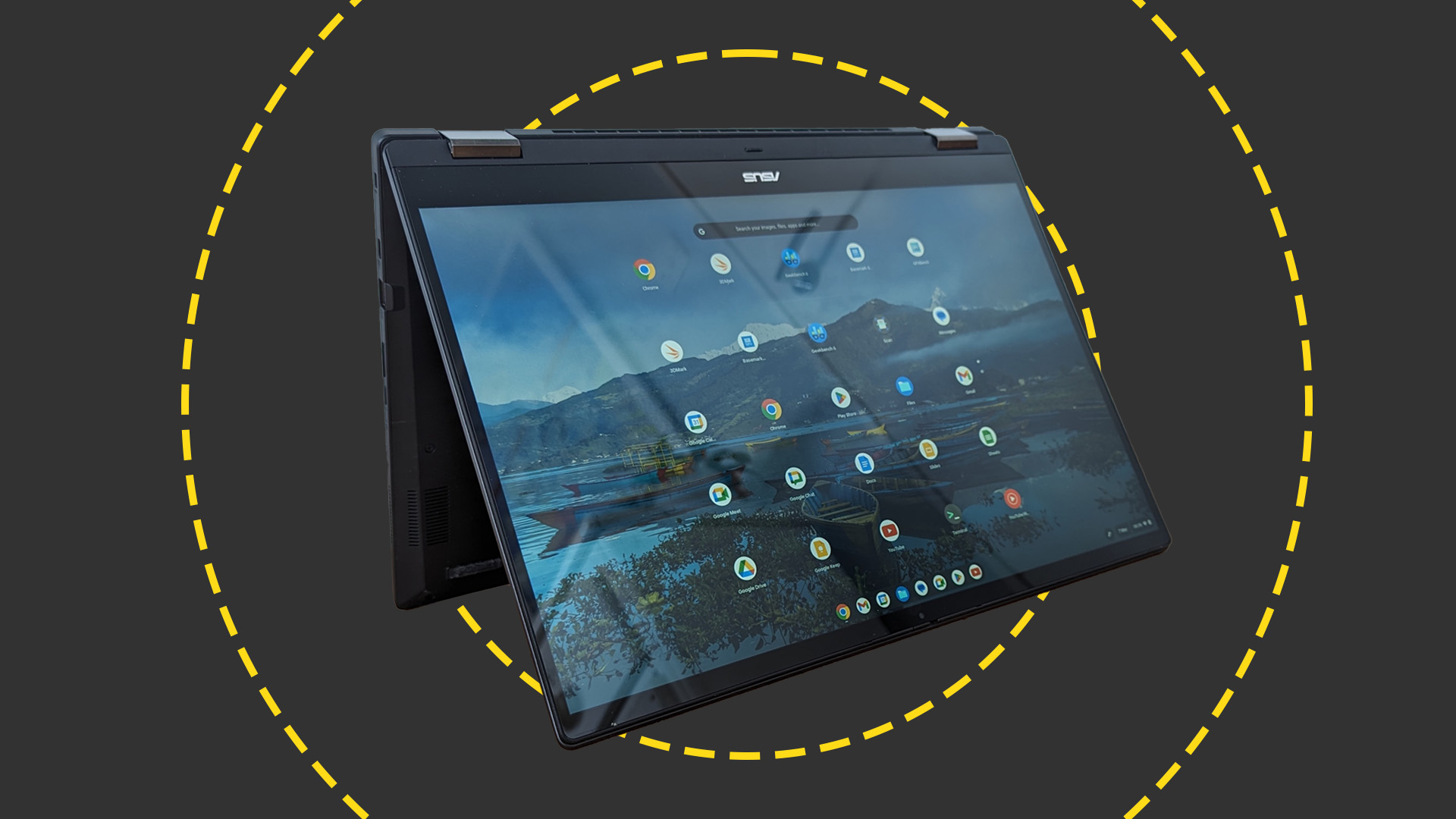
Asus Chromebook Enterprise Flip CB5 review: A big-screen Chromebook built for businessReviews Good design, strong ergonomics, impressive performance, and a bigger screen make this a brilliant, business-ready Chromebook for long working days
-
The business guide to Chromebook PlusIn-depth Google's Chromebook Plus initiative is driving a new wave of business-ready Chromebooks, but what does Chromebook Plus mean, and is it worth buying one for work?