Lenovo ThinkPad X1 review
Lenovo’s pencil-thin business ultra-portable finally arrives, squeezing Sandy Bridge performance into a tiny package, but is the X1 really worth buying? Tom Morgan finds out.
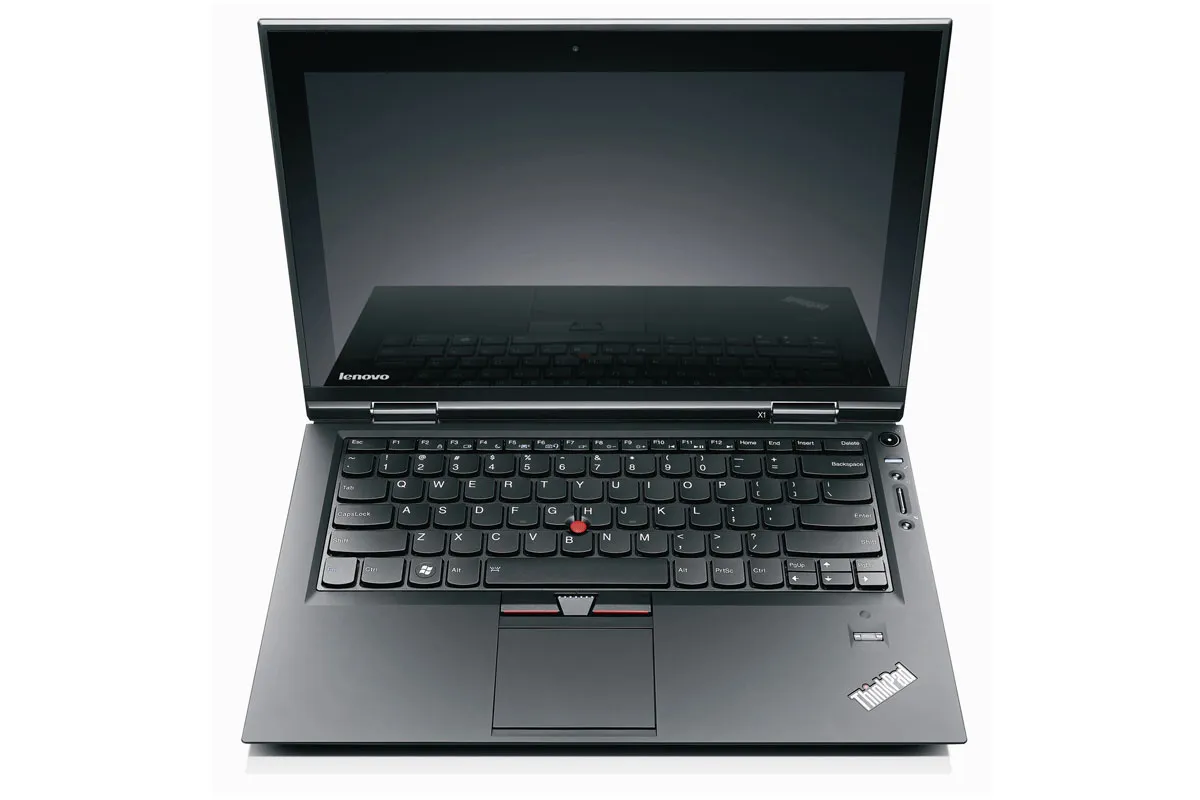
There’s no doubt that ThinkPad X1 is impressively thin, light and robust, but also very expensive compared to other ultraportable laptops. Despite all this, its disappointing battery life and temperamental touchpad make it frustrating to use. If you want an ultraportable laptop, the 13.3in MacBook Air or the Sony Vaio SB1V9E are better thanks to their far superior batteries.
It's easy to mistake the ThinkPad X1 for any other Lenovo laptop; it shares the same simple black design and angular chassis, but take a second look and it's clear that this is something special. Measuring 16mm at its thinnest point, the X1 is an incredibly thin ultra-portable laptop.
Unlike other recent ultra-portables that use ultra-low voltage processors that sacrifice performance for low power consumption, the ThinkPad X1 uses a standard voltage Second Generation Core i5 chip based on Sandy Bridge. The dual-core i5 2520m normally runs at 2.5GHz, but Intel's Turbo Boost technology can give a temporary increase up to a snappy 3.2GHz. It also supports Hyper-Threading for four virtual cores. This, paired with a generous 8GB of RAM and a 160GB Intel SSD, helped it achieve a very respectable overall score of 58 in our multimedia benchmarks, which is very fast for an ultra-portable laptop.
Lasting just under four and a half hours in our light-use battery test, the X1 can't manage all-day computing without visits to the wall socket.
Even after several hours of constant use, the whole underside of the laptop remained surprisingly cool, although the internal fan did have to spin up to a noticeable volume in order to do so. Although it was initially irritating, we soon got used to it as it wasn't any louder than other laptops we've seen. If you plan on pushing the processor particularly hard, you can toggle the fan to its maximum speed temporarily in order to keep heat under control.
Despite weighing less than 1.7kg, the entire laptop is solidly built and shows almost no signs of flex or weak materials. It won't weigh you down when on the move, but you may need to keep the mains adaptor close by; lasting just under four and a half hours in our light-use battery test, the X1 can't manage all-day computing without visits to the wall socket.
Sign up today and you will receive a free copy of our Future Focus 2025 report - the leading guidance on AI, cybersecurity and other IT challenges as per 700+ senior executives
-
AI might help speed up software development, but 81% of devs now spend more time reviewing code – and it’s creating an ‘invisible work’ trend that’s pushing teams to the limitNews While AI is improving productivity and efficiency, many developers are caught up in a vicious cycle of code reviews and bug hunting
By Ross Kelly Published
-
Equinix expands Fabric Geo Zones in data sovereignty driveNews The firm says it can provide the first network-level, sovereignty enforcement layer that operates across interconnected clouds and providers
By Emma Woollacott Published
-
'This is a practical step that paves the way for a better service for taxpayers': HMRC pens £175m deal with Quantexa in data modernization pushNews The UK AI unicorn will work to improve HMRC’s core data infrastructure
By Rory Bathgate Published