Heavily integrated touchscreen support is one reason why BlackBerry OS 7 won't be available as an upgrade for older BlackBerry devices.
Heavily integrated touchscreen support is one reason why BlackBerry OS 7 won't be available as an upgrade for older BlackBerry devices, but the new operating system no doubt also needs the extra horsepower provided by the Bold 9900's Qualcomm Snapdragon chipset to run as smoothly as it does. Although only single-core, the 1.2GHz processor has double the clock speed of the processor in the Bold 9700, and the inclusion of hardware accelerated video and 24-bit colour graphics make the Bold feel 9900 look and feel very smooth in use.

This nippier performance is particularly evident in the new WebKit-based web browser, which RIM reckons is 40% faster at displaying web pages than the one in BB OS 6 and 100% faster than BB OS 5. The Bold 9900 achieved a very respectable score of 2790.8ms in the SunSpider JavaScript test which isn't far behind the current generation of dual-core Android phones.
BlackBerry OS 7 was expected to be RIM's first smartphone operating system to be based on the same QNX platform as its PlayBook tablet, but this turned out to be wishful thinking. In fact BlackBerry OS 7 feels more like BlackBerry OS 6.1, but RIM decided that its new features merited bigger billing and a brand new operating system version obviously won't hinder sales of the six new smartphones that use it.
-
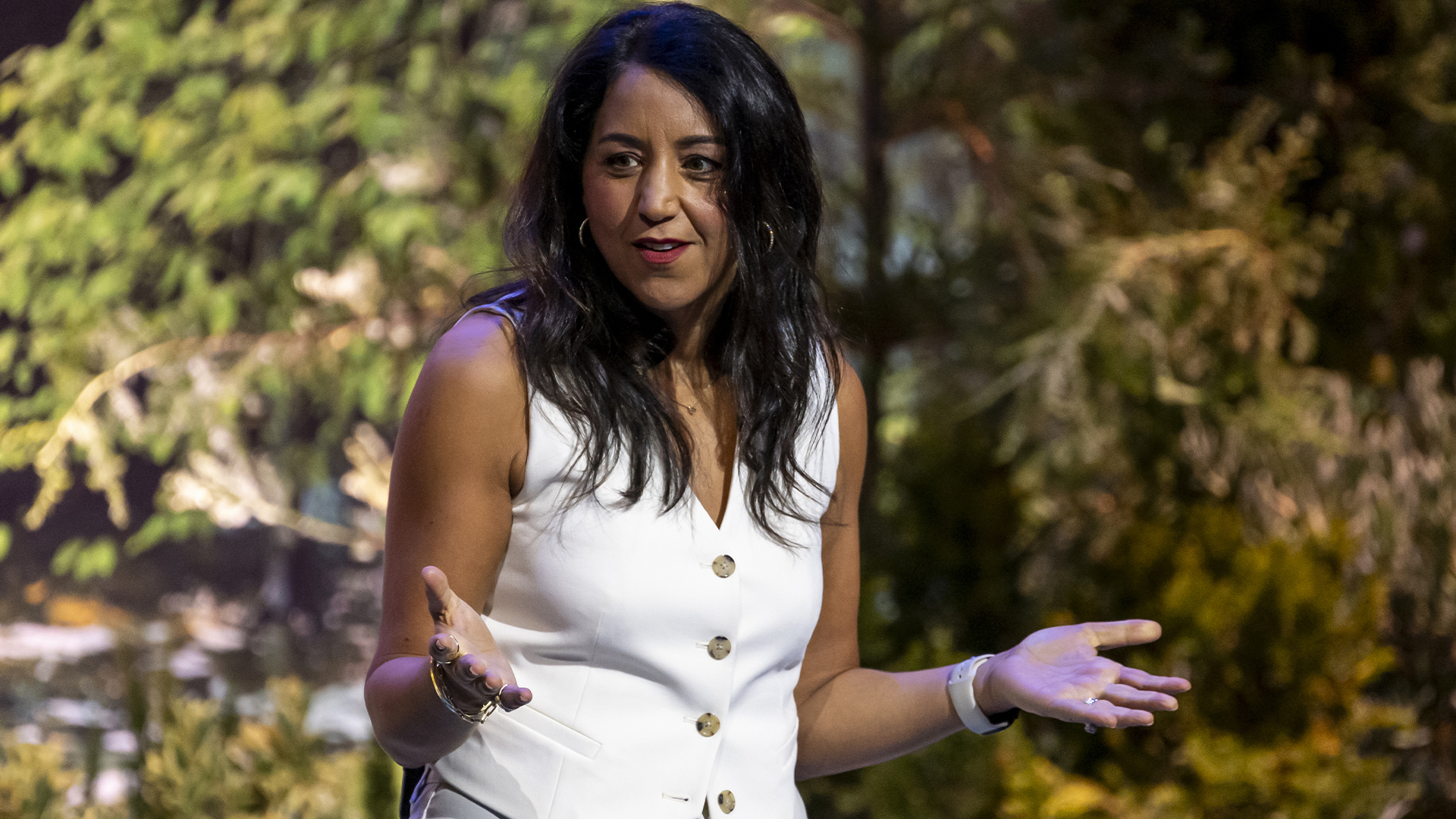 ‘We remain true to our mission’: Salesforce UKI CEO Zahra Bahrololoumi talks up unwavering UK commitments
News Salesforce isn't resting on its laurels in the UK, with plans to ramp up hiring and support for digital skills development
-
 Salesforce doubles down on forward deployed engineers in UK Agentforce push
News Specialist Salesforce engineers will be embedded within customer teams
-
 UK SMBs are the most vulnerable to cyber attacks
News Organizations cite delayed growth and expansion plans, financial damage and missed business opportunities


