‘1 engineer, 1 month, 1 million lines of code’: Microsoft wants to replace C and C++ code with Rust by 2030 – but a senior engineer insists the company has no plans on using AI to rewrite Windows source code
Windows won’t be rewritten in Rust using AI, according to a senior Microsoft engineer, but the company still has bold plans for embracing the popular programming language


-
 NCSC talks up agents for cyber defense – but there's an 'inconvenient truth' businesses need to accept
News Cyber defenders need to identify the lowest-risk actions that can be automated before making decisions about adoption
-
 Huawei reiterates its commitment to open source standards at Connect 2026
News The Chinese IT giant is the latest to declare open source a key element of AI


-
 Amazon targets agent safety gains with investment in team behind Lean programming language
News The tech giant hopes support for the open source programming language could drive AI agent safety improvements
-
 ‘The challenge now is making sure the next generation develops those same foundations before relying too heavily on AI’: Devs are swerving fundamental skills like Git and Agile because of AI – but there’s a good reason
News O'Reilly has recorded a massive fall in programming fundamentals courses, but that’s not to suggest devs aren’t learning key skills
-
 ‘The biggest barrier to growth is not access to technology, it is access to the right people’: Demand for developers with AI skills has surged 597% – but enterprises are still struggling to find the right talent
News Hiring is shifting away from traditional software development toward specialized roles to integrate, govern, and scale AI systems
-
 Forward deployed engineers are big tech’s latest gambit to drive AI adoption
News With Microsoft and AWS placing their faith in forward deployed engineers, enterprises will gain a helping hand with tricky AI adoption projects
-
 Why is Windows 11 so disliked by programmers – and can Microsoft do anything to change things?
Windows isn't the most useful OS in the eyes of developers, with programmers preferring macOS or Linux. But is its bad reputation uncalled for?
-
AI might help speed up software development, but 81% of devs now spend more time reviewing code – and it’s creating an ‘invisible work’ trend that’s pushing teams to the limit
News While AI is improving productivity and efficiency, many developers are caught up in a vicious cycle of code reviews and bug hunting
-
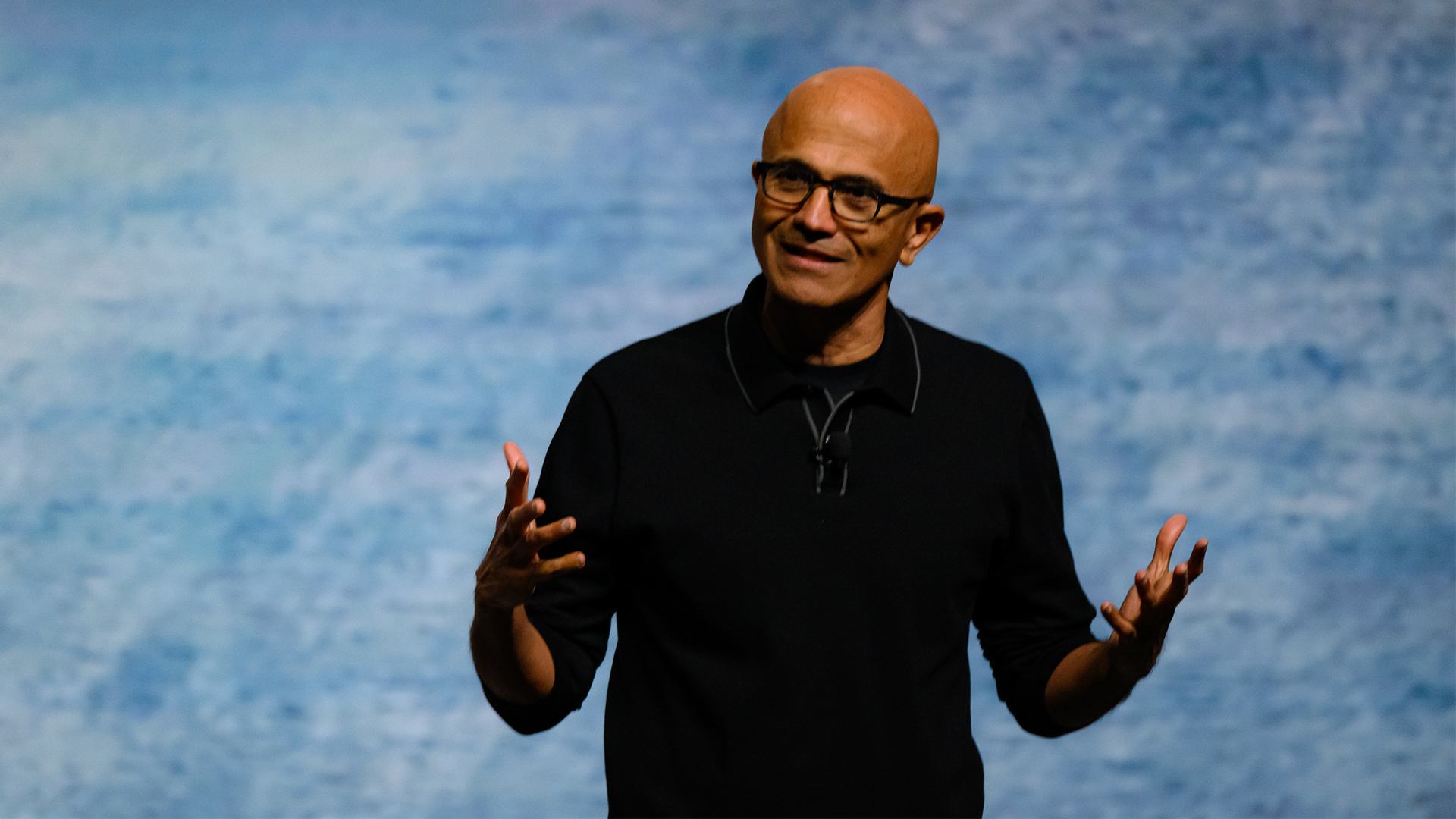 'We are focused on fundamentals, prioritizing quality, and serving our core users better': Satya Nadella teases big Windows improvements – and changes could come this year
News Satya Nadella told analysts that Microsoft is doing “foundational work to win back fans” across Windows, Xbox, Bing, and Edge
-
 Microsoft pats itself on the back over European commitments
News The company says it's been working to boost the bloc's digital sovereignty and resilience


