OpenAI says prompt injection attacks are a serious threat for AI browsers – and it’s a problem that’s ‘unlikely to ever be fully solved'
OpenAI details efforts to protect ChatGPT Atlas against prompt injection attacks


-
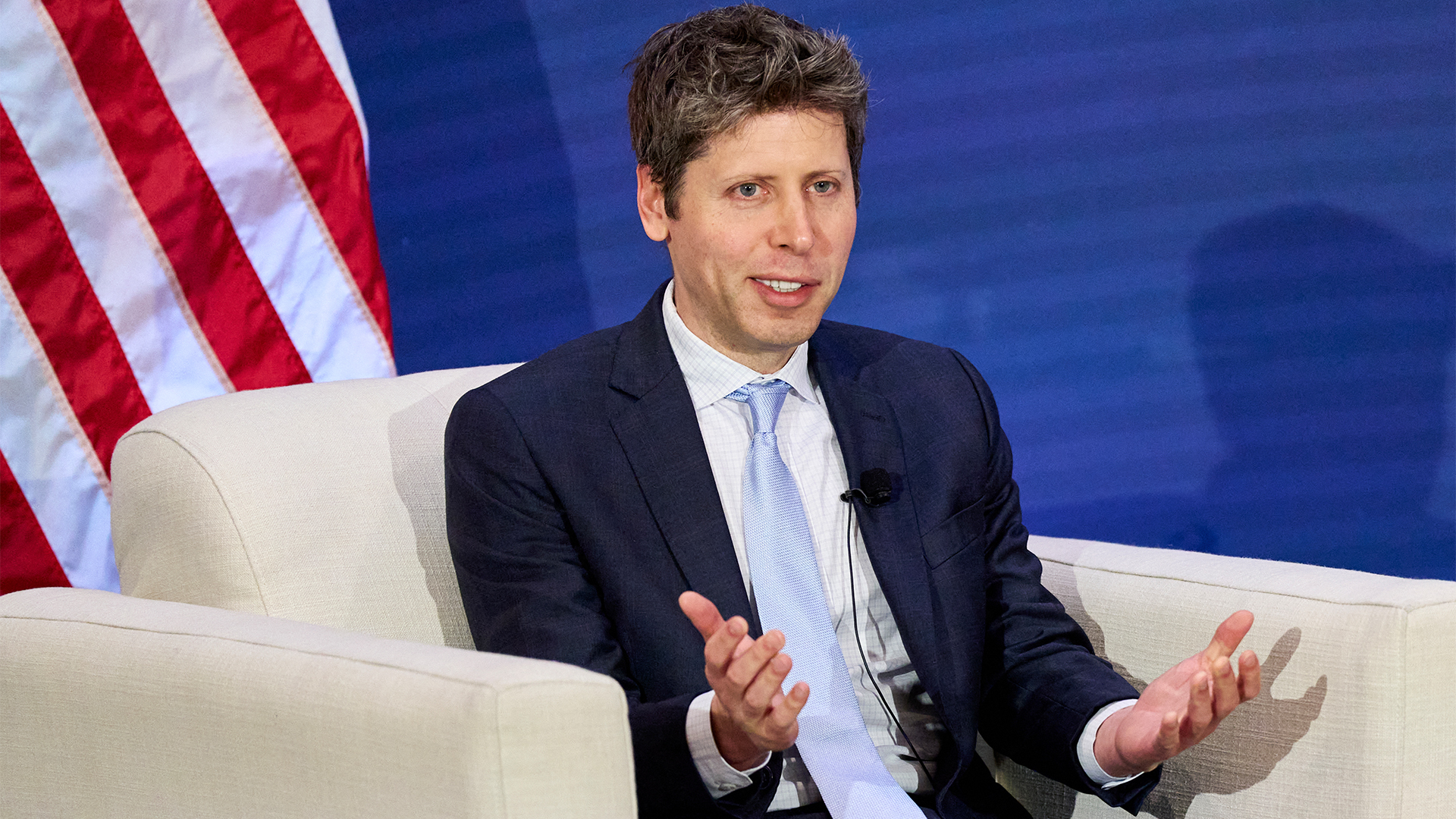 OpenAI says some researchers are blowing through $7,000 in AI tokens every day – but it’s a price the company appears willing to pay
News OpenAI has revealed that researchers now spend around $600 each day on AI tokens amidst a surge in agentic coding. Some, meanwhile, are using upwards of $7,000 worth of tokens per day.
-
 Six things OpenAI learned about AI from the Hugging Face incident
News OpenAI's report into AI going rogue reveals efforts at cheating and communicating — but also some well-behaved bots
-
 “Enterprises are becoming much more rigorous about the economics of AI”: Snowflake wants to help you cut AI costs by choosing the right model for the right task
News New dynamic model routing capabilities aim to help customers box clever when it comes to their AI model choice
-
 OpenAI forges closer ties with IBM in enterprise push
News The duo will combine OpenAI models and products with IBM Consulting expertise
-
 Microsoft has joined the growing list of companies cracking down on ‘tokenmaxxing’
News The company is updating internal guidance to reduce rising costs
-
 AI testing firm Irregular the source of ‘misconfigurations’ that led to Meta, OpenAI, and Anthropic AI incidents
News The “frontier security lab” has been referenced in multiple cyber incident statements
-
 ‘AI cost management has the same problems that cloud had’: Enterprises are still facing huge AI bills thanks to ‘tokenmaxxing’ – that means FinOps practices are more important than ever
News With firms facing surging AI bills, FinOps techniques are more important than ever
-
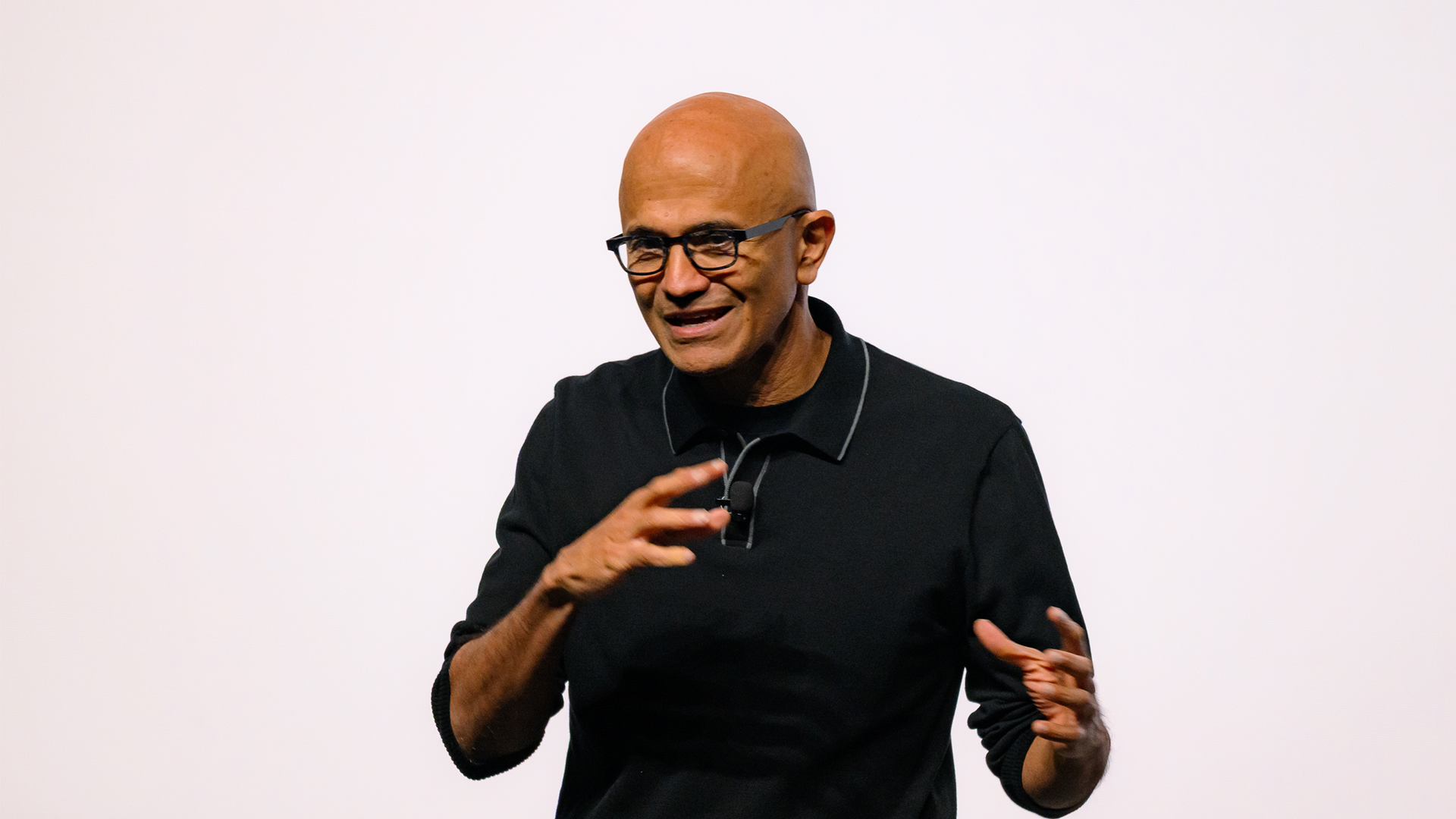 ‘We are now seeing MAI models outperform general-purpose frontier models’: Microsoft CEO Satya Nadella touts in-house models to cut spiralling AI costs – and reduce growing reliance on frontier labs
News The Microsoft chief says pricey frontier models don't have to be used for every task, and its own in-house MAI models could be the key to reducing costs.


