Google-owner Alphabet is buying data center and energy firm Intersect in a deal valued at $4.75 billion.
The move comes amid a race to rollout data centers – and the energy systems required to power them – to fuel AI.
In the last year alone, data center investment topped $61bn, though concerns continue over whether energy systems will be able to keep up with demand.
As part of the deal, Alphabet will acquire the $15bn in data center and energy assets Intersect already has in operation or is working to build, Reuters noted, adding that by 2028 Intersect had planned to have 10.8 gigawatts of power either up and running or in development.
"Intersect will help us expand capacity, operate more nimbly in building new power generation in lockstep with new data center load, and reimagine energy solutions to drive US innovation and leadership," said Sundar Pichai, CEO of Google and Alphabet.
Google targets energy innovation
Google already owns a minority stake in Intersect. However, moving forward Alphabet said Intersect would operate separately from itself and Google, keep the company brand, and continue to be led by CEO Sheldon Kimber.
The aim is for Intersect's team to work closely with Google's technical infrastructure division on joint projects, including a data center and power site already under construction in Haskell County, Texas, the duo said.
Intersect noted it will work to develop emerging technologies to diversify energy supply while also boosting Google's data centre projects.
"Intersect has always been focused on bringing innovation to the industry and we look forward to accelerating at scale as part of Google," said Sheldon Kimber, founder and CEO, Intersect.
"Modern infrastructure is the linchpin of American competitiveness in AI. We share Google’s conviction that energy innovation and community investment are the pillars of what must come next."
The deal doesn't include currently operating assets in Texas or California, which run as separate companies and will be bought out by existing investors, Kimber said in a blog post.
Powering AI
With infrastructure expansion gathering pace worldwide, experts have questioned whether supply will be able to keep up with demands placed on data centers as a result of AI.
Moreover, similar questions have been raised over whether current energy systems are up to the task of meeting future power demands. Data center power demand is predicted to top 106GW in the next ten years, according to a BloombergNEF report.
Google has already said it will pause AI data centers to help balance overloaded grids, and signed deals for renewable energy sources – including with modular nuclear reactor developers.
Kimber said deals like Alphabet's acquisition of Intersect are "pillars of what must come next".
"AI today is stuck behind one of the slowest, oldest industries in the country: electric power," he wrote.
"The country has racks full of GPUs that can’t be energized because there isn’t enough electricity for them. The grid is a patchwork operating system that’s been running for a century. An engineering miracle in its time, but not built for the AI era."
Bring your own power
Kimber said the US model is increasingly "bring your own generation".
"Companies like Google are thoughtfully building AI the responsible way," he added. "In the case of Intersect, that has meant renewables paired with flexible backup sources and energy storage, often on the same site as the data centers themselves. This approach can significantly accelerate speed to power and unlock scarce transmission capacity."
While Google has invested in renewables — including a 99% carbon-free data center in Norway — its greenhouse gas emissions have leapt 48% since 2019, driven by electricity use for data centers.
FOLLOW US ON SOCIAL MEDIA
Make sure to follow ITPro on Google News to keep tabs on all our latest news, analysis, and reviews.
You can also follow ITPro on LinkedIn, X, Facebook, and BlueSky.


 Google announces €13 billion infrastructure build-out in burgeoning European data center hub
 Data centers gobbled up 23% of Ireland’s electricity supply in 2025 – nearly as much power as every home in the country combined
 Colt DCS touts sustainability gains amid data center efficiency strategy
 Stellanor adds eight UK data centers to rapidly-growing portfolio
 Google once again ramps up funding for Anthropic
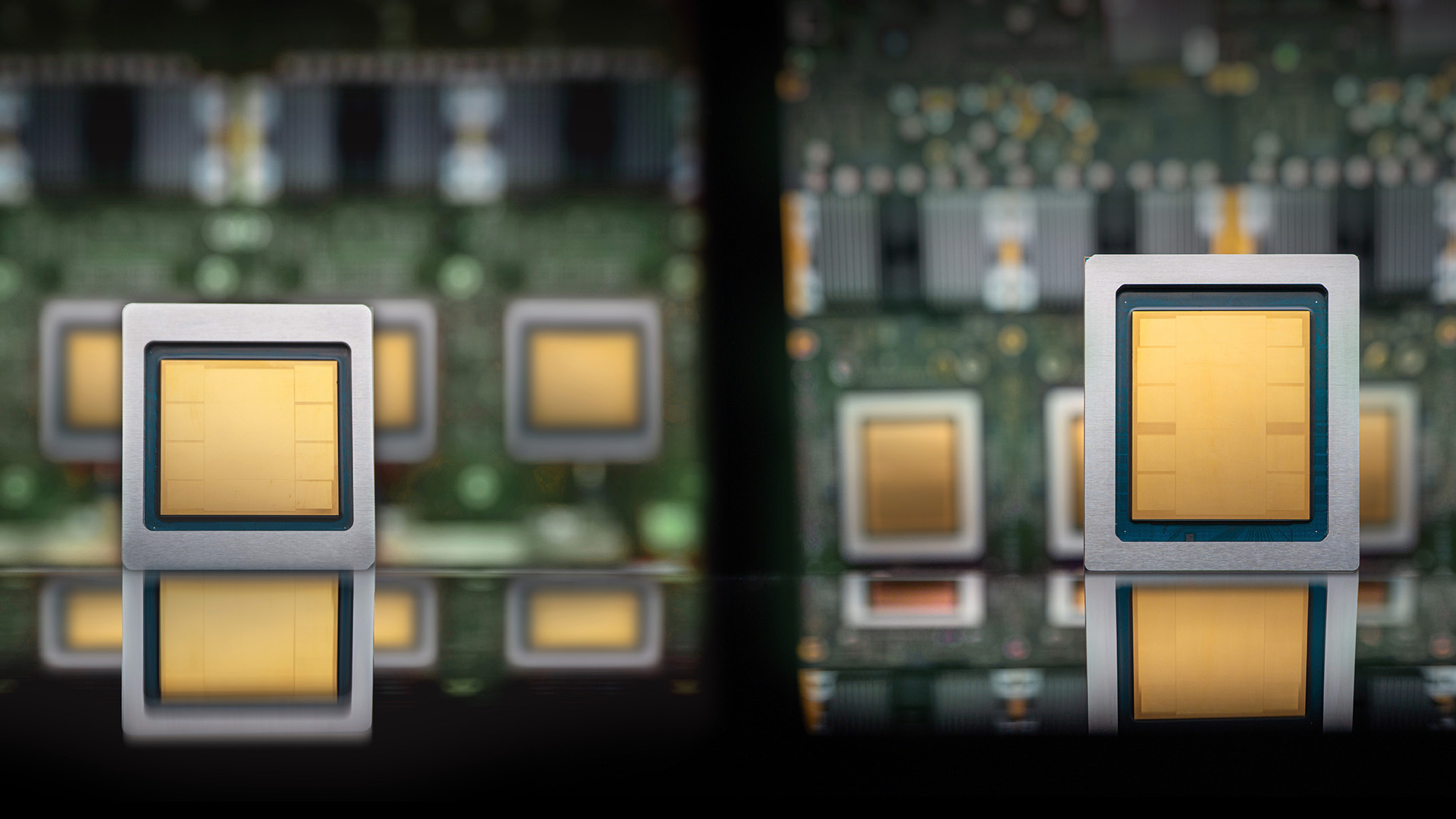 Google Cloud announces eighth-generation TPUs, boasting AI training and inference leaps
 UK firms ponder offshoring AI workloads as energy costs surge
 Has another OpenAI Stargate project hit the rocks?


