the Samsung Galaxy S II scored 3423ms and the iPhone 4S 2200ms.

The Radar's non-removable battery ran for 31 hours and 15 minutes in our MP3 playback test with the screen and all radios off, and for six hours in the WP Bench battery test that keeps the screen on while pounding the processor. This latter time was twice as long as the Titan's, which is probably due to the lower power consumption of the smaller screen and slower processor.
At around 264 (ex VAT) online for an unlocked model, the Radar is a little more expensive than the cut-price iPhone 3GS (255 ex VAT), which befits its slightly better specification. It's very much a budget smartphone, but Windows Phone 7 needs more models like the Radar to broaden its appeal and it's a good choice for anyone looking for a more affordable alternative to iOS and Android.
Verdict
Limited storage capacity may limit its appeal and the camera could be better, but those aren’t major complaints for a smartphone at this cheaper end of the market and the HTC Radar is otherwise a good-value Windows Phone 7 device.
Connectivity: GSM 850/900/1800/1900, 3G 900/2100 Display: 480 x 800 pixels, 3.8 inches OS: Windows Phone 7.5 Camera: five megapixels rear facing, 0.3 megapixel forward facing GPS: A-GPS Processor: 1GHz Qualcomm Snapdragon Bluetooth: 2.1+EDR Wi-Fi: 802.11 b/g/n Storage: 8GB internal RAM: 512MB Dimensions: 121 x 62 x 11 mm Weight: 137g Battery: Lithium Ion 1520 mAh Part code: C110e
-
 Israeli digital ad agency caught serving first in-the-wild zero-click spyware
News Discover-Tech's zero-click technique, dubbed "AdFection", installed spyware on the phones of targets around the world
-
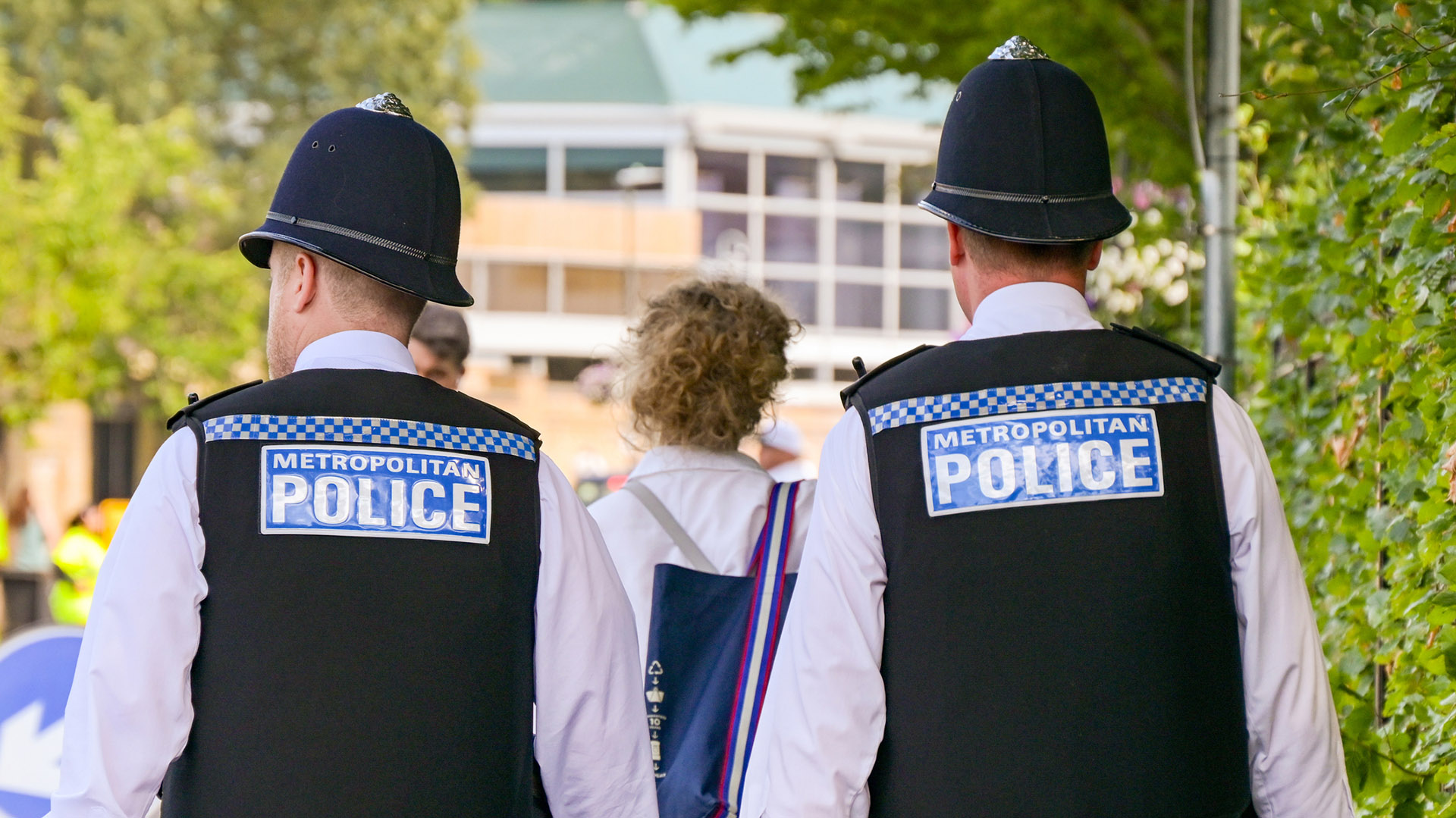 ICO reprimands Metropolitan Police over use of shadow IT
Officers and other staff were using an unapproved third-party platform to share data on suspected shoplifters
-
 Data centre and cloud shares slide amid AI gloom
Major providers saw massive selloffs following Barclays downgrade as Gartner warns on AI infrastructure spending


