2011: The year in news
We take a look back at a year which saw corporate carnage, industry in-fighting and the passing of an industry legend.
Sign up today and you will receive a free copy of our Future Focus 2025 report - the leading guidance on AI, cybersecurity and other IT challenges as per 700+ senior executives
You are now subscribed
Your newsletter sign-up was successful
Bickering was rife in the UK telecoms sector too, again preventing people from accessing genuinely necessary technologies.
Even though plenty of other nations are enjoying 4G right now, the UK won't get decent coverage until around 2017. This sluggish progress has come about partly thanks to operators squabbling over the 4G auction, which was due to take place at the start of next year, but has been delayed until the end of the 2012.
All this industry in-fighting only means rural areas will have to wait longer for superfast speeds.
O2 even went so far as to claim Ofcom's proposed auction was illegal under EU law, saying the floors designed to ensure at least four providers got some spectrum amounted to "state aid." Vodafone also raised issues with Ofcom's proposals, claiming the regulator was inadvertently guaranteeing 800MHz spectrum for Everything Everywhere in its desire to protect 3.
In the wonderful world of fibre, BT was accused by practically every other important ISP of charging too much for its wholesale infrastructure. Even after BT cut its prices, Geo Networks went ballistic, claiming the pricing of Physical Infrastructure Access (PIA) had helped create a "non contestable" market.
All this industry in-fighting only means rural areas will have to wait longer for superfast speeds. Again, thanks guys.
Acquisition action
Sign up today and you will receive a free copy of our Future Focus 2025 report - the leading guidance on AI, cybersecurity and other IT challenges as per 700+ senior executives
Rather than buck the trend and spend billions on research and development of fresh products, tech giants continued to acquire others for megalithic sums of money.
Google sealed the biggest deal of the year with its $12.5 billion acquisition of Motorola Mobility, although many suspected the purpose of the deal was to gain a rather expensive patent war chest rather than mark any positive move into actually producing phones.
Many eyebrows were raised to the heavens when Microsoft confirmed the $8.5 billion purchase of Skype. Some saw it as another Ballmer balls-up, others a handy way for the Redmond giant to gain plenty of user data, whilst owning a rather popular product. Nothing will hide the fact that it bought a company with astronomic debt, however.
HP, in the midst of major turmoil, decided to splash a whopping $12 billion on British firm Autonomy. It formed part of major changes announced by Leo Apotheker which would have seen HP move away from the PC, tablet and smartphone space if the chief hadn't been shown the door just months later. With Meg Whitman now in charge, things are looking a little steadier, but 2011's been a chaotic one for HP.
As for Autonomy, we had to wave goodbye to one of Britain's finest IT vendors. In the face of vast sums of money, it seems UK firms are willing to sacrifice control over their businesses to Silicon Valley. Sad, really.
Nokia nightmare?
Another company staring endgame right in the face this year was Nokia. With sales dropping like Eddy the Eagle off an Alpine cliff, the proverbial excrement hit the fan when the Finnish phone maker said it just wasn't going to provide a full-year outlook as things had gotten so shaky.
In February, the company announced its partnership with Microsoft and in November the first Nokia Windows Phone 7 device appeared. The Lumia 800 received positive reviews, but one phone will not save Nokia's bacon. 2012 will really be the sink or swim year for the once-mighty mobile maker.
Not that Nokia was the only mobile firm standing on quicksand. RIM has had a torrid time too, posting a sharp drop in profit in December and delaying shipments of its QNX OS devices to late 2012. The company is also sitting on a tonne of unwanted PlayBooks, praying someone somewhere will make it cool. The iPad 2's popularity didn't do it many favours either.
RIM could only look on green with jealousy at Samsung, which became the number one smartphone seller on the planet, with Apple in second.
The social revolution
Few saw how much of an impact social networks would have on the world in 2011. The Arab Spring showed what could be done through cooperation and conviction, supported by collaborative web platforms.
Tom Brewster is currently an associate editor at Forbes and an award-winning journalist who covers cyber security, surveillance, and privacy. Starting his career at ITPro as a staff writer and working up to a senior staff writer role, Tom has been covering the tech industry for more than ten years and is considered one of the leading journalists in his specialism.
He is a proud alum of the University of Sheffield where he secured an undergraduate degree in English Literature before undertaking a certification from General Assembly in web development.
-
Cohere's Aleph Alpha merger could create a transatlantic sovereign AI powerhouseAnalysis The merger between Cohere and Aleph Alpha aims to capitalize on the burgeoning sovereign AI market
-
Everything you need to know about OpenAI's new workspace agentsNews New ‘workspace agents’ from OpenAI will automate tasks for workers and can be customized for specific roles
-
"Consumer messaging apps were never designed to handle sensitive communications" – Government decision-makers are confused about messaging security, BlackBerry report findsNews Despite official warnings, they're still routinely using WhatsApp for confidential communications
-

The key risks security teams face in 2026From AI-related flaws to supply chain risks, cyber professionals now contend with overlapping challenges
-
Observability will be key to agentic AI safety, says Microsoft Security execNews Agentic AI adoption will require a re-evaluation of enterprise risk management, according to Microsoft corporate VP
-
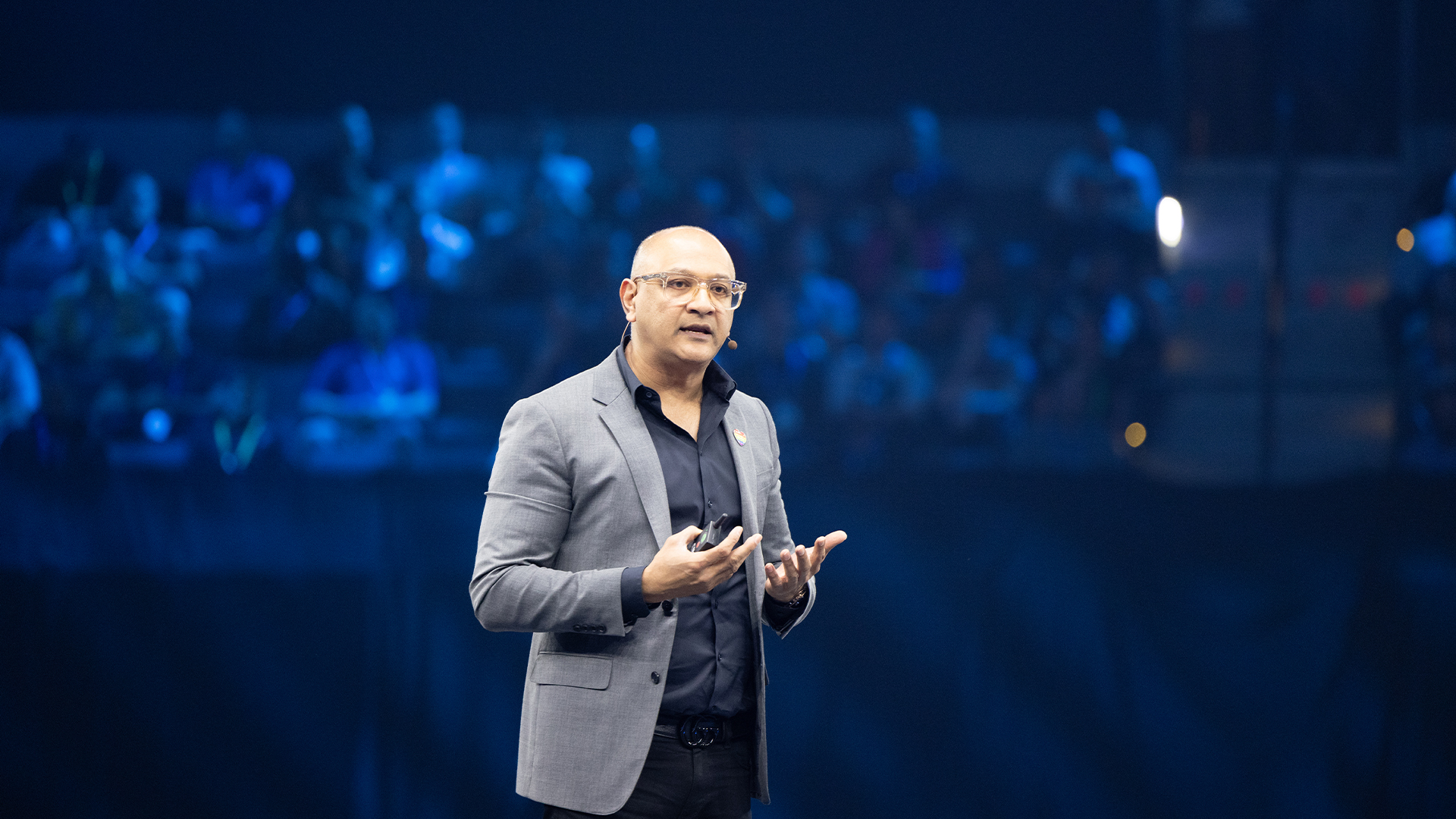
Enterprises need to think of agents as ‘digital co-workers’ – and that means implementing the same security safeguardsNews Practices such as zero trust and least privilege will be needed as agents gain access to sensitive enterprise data
-
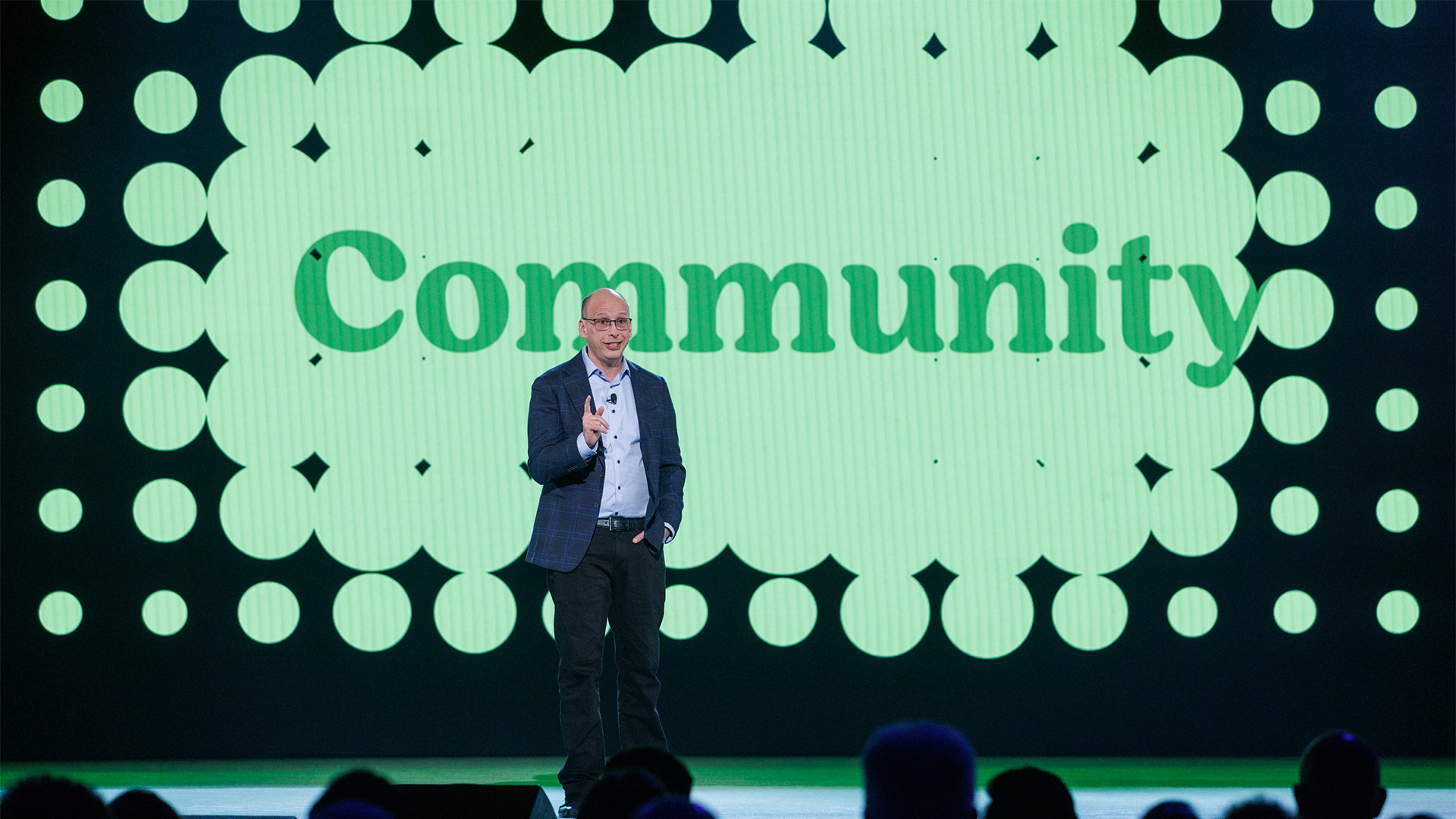
Safe AI adoption rests on cybersecurity professionals, says RSAC chairmanNews With AI security a key talking point at RSAC 2026, executive chairman Hugh Thompson believes the industry can lead by example
-

Cyber pros say the buck stops with the board when it comes to security failingsNews Fines, sanctions, and even prosecution are all on the table when it comes to cyber failings, practitioners believe
-

RSAC in focus: Key takeaways for CISOsThe RSAC Conference 2025 spotlighted pivotal advancements in agentic AI, identity security, and collaborative defense strategies, shaping the evolving mandate for CISOs.
-

RSAC in focus: Quantum computing and securityExperts at RSAC 2025 emphasize the need for urgent action to secure data against future cryptographic risks posed by quantum computing