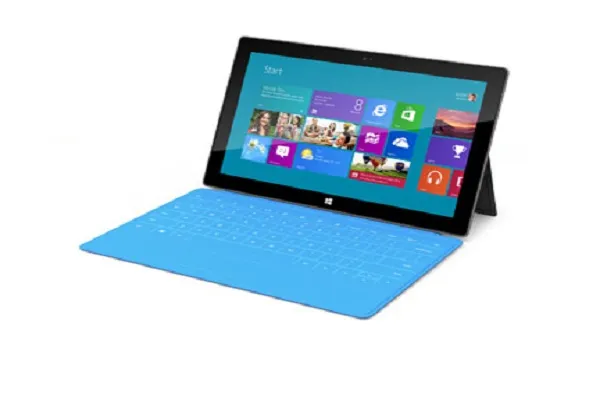

Microsoft confusing users with Surface RT, claim industry watchers
Market watchers ponder software giant's decision to launch Surface with Windows RT.
Microsoft's decision to launch the RT version of its Surface tablet several months before the full Windows 8 Pro version is set to drop could end up confusing customers, industry watchers fear.
The ARM-based Surface RT tablet will go on general release from 26 October as part of the software giant's wider Windows 8 launch.
Surface Pro combines the sexiness of the Surface with the full business operating system.
Unlike the plethora of other Windows 8 tablets that are set to go on general release later this week, the Surface RT will only run pre-installed Microsoft desktop apps.
Instead, users of the device so called because it runs the Windows RT operating system will only be able to use these pre-installed applications, as well as Metro-style apps.
A more businessfocused version of the device, Surface Pro, is tipped to go on sale in early 2013, and is expected to let users run both desktop and Metro-style apps.
Speaking to IT Pro, Richard Gibbons, software manager at Microsoft reseller Bechtle Direct, said, since news of the Surface first emerged in June, business users have shown a lot of interest in the device.
Sign up today and you will receive a free copy of our Future Focus 2026 report - the leading resource for IT decision-maker insight on priorities and investment areas in AI, security and more.
"We've had dozens and dozens of customer requests for Windows 8 tablet loan units, made by other vendors, and many are asking, if you can get us a Surface [on loan], please do'," said Gibbons.
"When the Surface Pro [launches], I think that will be as exciting for everyone as the initial launch of Windows 8...because it combines the sexiness of the Surface with the full business operating system," he added.
However, industry watchers warn that, unless Microsoft does a better job of communicating the differences between the RT and Pro versions of the Surface, some buyers could be left disappointed.
A Microsoft supply chain source, speaking to IT Pro under condition of anonymity, said the company is taking "massive gamble" with the release of Surface RT.
"No-one's telling the consumer that, if they buy the Surface RT, it will only run Microsoft [Metro-style] applications and there aren't that many of them available," said our source.
"I think [Microsoft] is making a mistake by launching RT first, because users will buy it, realise it doesn't do anything and that will put other people off buying the full blown [Pro] version."
Andrew Buss, service director at IT analyst house Freeform Dynamics, said there is "a risk" early Surface adopters might be disappointed with functionality of the device.
"Unless it is explicitly explained to customers that it won't run desktop apps, [which is something] I think does need to be very clearly explained in the marketing, there is a risk," Buss told IT Pro.
"It is a brave thing they are doing. It's not going to be perfect, but in order to progress, Microsoft need to take some of these risks," he said.
To ensure brand loyalty, Microsoft will need to have a good customer care policy in place that will allow Surface RT buyers to exchange the tablet for the full x86 version, said Buss.
"If they are unhappy, Microsoft should allow users to trade up without being out of pocket or suffering a bad customer experience," he added.
IT Pro was awaiting a response from Microsoft to this story at the time of publication.
Caroline Donnelly was the news and analysis editor of IT Pro. Previously, she worked as a reporter at several B2B publications, including UK channel magazine CRN, and as features writer for local weekly newspaper, The Slough and Windsor Observer. She studied Medical Biochemistry at the University of Leicester and completed a Postgraduate Diploma in Magazine Journalism at PMA Training in 2006.
-
The OpenAI and Anthropic containment breaches are a bit spooky, but also quite sillyOpinion An AI leaving notes to future versions of itself is pure sci-fi; forgetting to lock down an environment is prosaic
-

Bringing data to the heart of AISponsored AI is changing our approach to data, find out how HPE Alletra Storage can help your business
-
Why is Windows 11 so disliked by programmers – and can Microsoft do anything to change things?Windows isn't the most useful OS in the eyes of developers, with programmers preferring macOS or Linux. But is its bad reputation uncalled for?
-
AI is coming to Ubuntu: Canonical exec teases future AI features and agentic workflow capabilities for version 26.10 — but on a ‘strictly opt-in basis’News A range of new AI features are coming to Ubuntu over the next year, according to maintainers, but only providing they’re of “sufficient maturity and quality”.
-
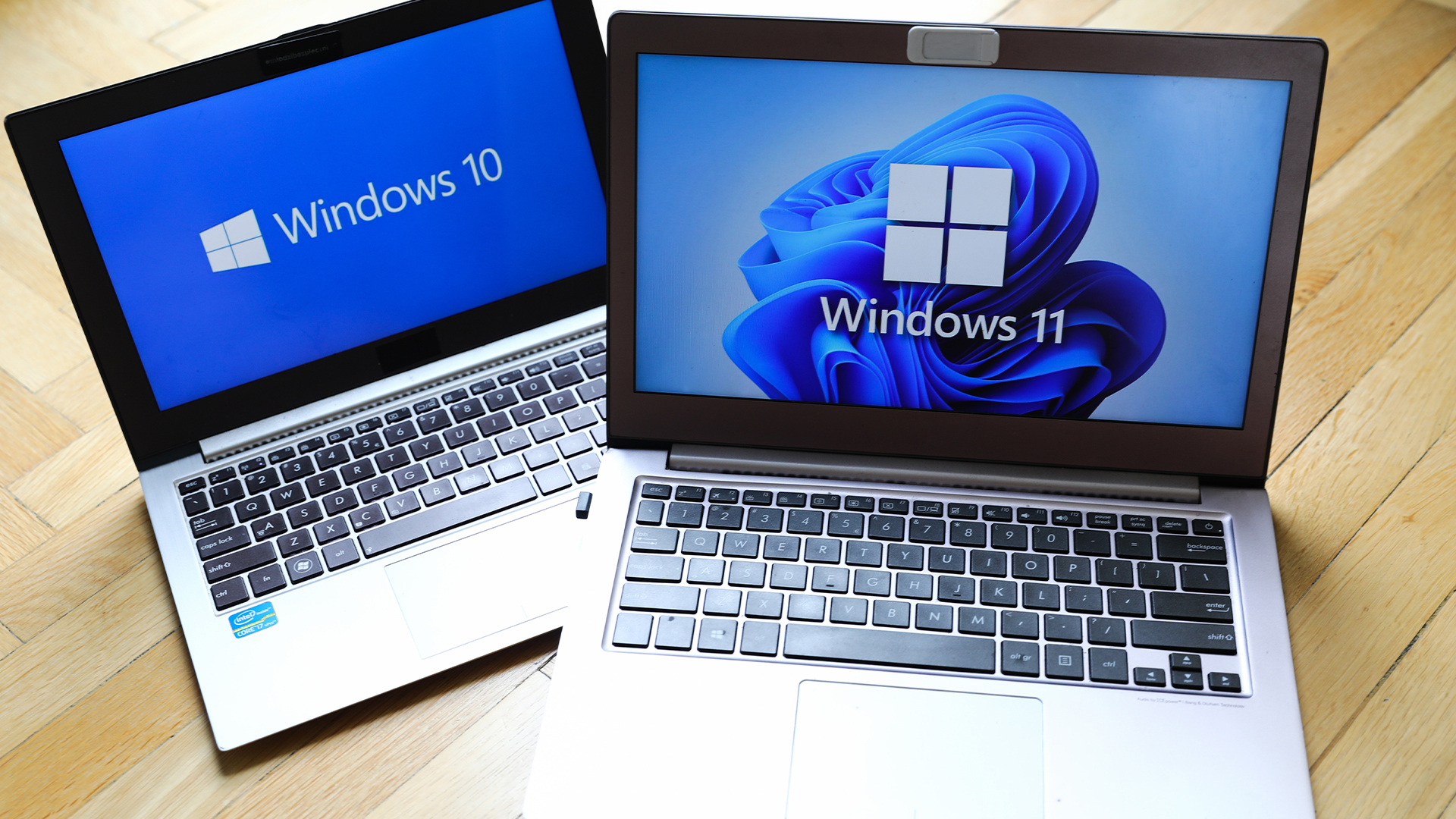
Windows 10 extended support costs could top $7 billionNews Enterprises sticking with Windows 10 after the October deadline face huge costs
-
Tiny11 review: Windows 11 with only 2GB of RAMReview A version of Windows 11 for older machines that don't meet the full requirements
-
Red Hat Enterprise Linux becomes foundational operating system for Cohesity Data CloudNews New strategic partnership between Red Hat and Cohesity aims to drive innovation in the data security and management space
-
Ubuntu shifts to four-week update cycleNews Critical fixes will also come every two weeks, mitigating the issues involved with releasing prompt patches on the old three-week cadence
-

AlmaLinux follows Oracle in ditching RHEL compatibilityNews Application binary compatibility is now the aim with 1:1 now dropped
-
How big is the Windows 10 cliff-edge?ITPro Network With some comparing the upcoming Windows 10 end of life to Windows XP, we ask members of the ITPro Network for their insight