OpenAI ramps up enterprise AI push with new consultancy launch
The launch of the OpenAI Deployment Company comes with £4bn investment to help speed up enterprise Ai adoption


-
 NCSC talks up agents for cyber defense – but there's an 'inconvenient truth' businesses need to accept
News Cyber defenders need to identify the lowest-risk actions that can be automated before making decisions about adoption
-
 Huawei reiterates its commitment to open source standards at Connect 2026
News The Chinese IT giant is the latest to declare open source a key element of AI


-
 April rundown: OpenAI hesitations and Apple's new CEO
ITPro Podcast As Apple enters a new era, DeepSeek is back and OpenAI is backing out of training clusters
-
 OpenAI announces first permanent London office in UK expansion push
News The news comes after OpenAI revealed it will pause the Stargate UK project
-
 OpenAI's big enterprise push needs systems integrators, so it's turning to consultancies to plug implementation gaps
News Consultancies such as Accenture and Capgemini will act as systems integrators and help shape AI strategies for OpenAI customers
-
 Snowflake and OpenAI are teaming up to help enterprises capitalize on their "most valuable asset"
News OpenAI models and tools will now be embedded within the Snowflake Intelligence and Cortex platforms
-
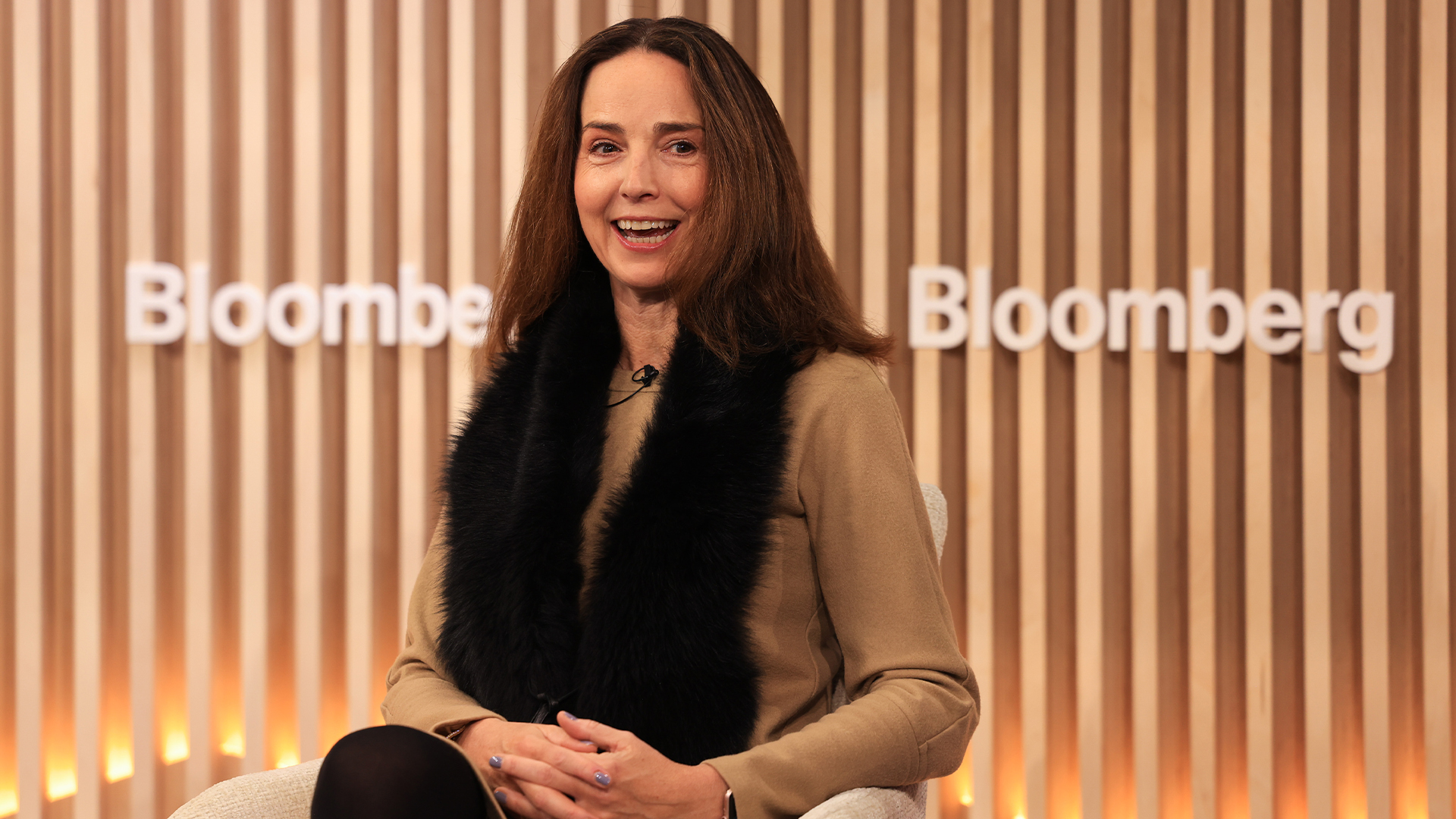 OpenAI CFO teases new money-making plans as AI giant targets 'practical adoption' gains in 2026 and beyond
News OpenAI made $20bn in 2025 as it continues to expand revenue streams with ads and upcoming AI-powered devices
-
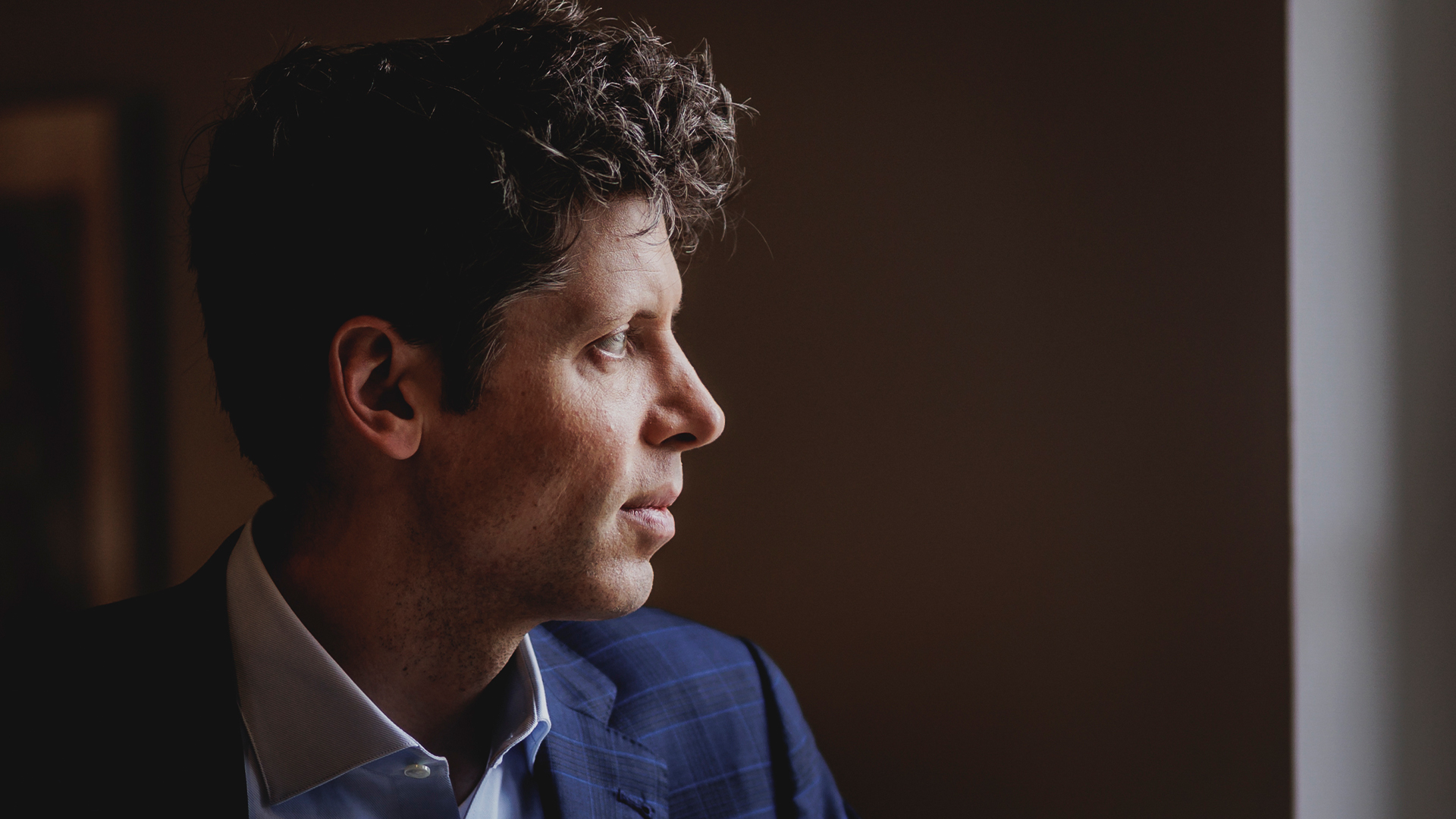 ‘Governments should not pick winners or losers’: OpenAI CEO Sam Altman takes to X in damage control mode after government ‘backstop’ comments
News OpenAI CEO Sam Altman appears to be in a state of damage control in the wake of recent comments touting potential government support for the AI company.
-
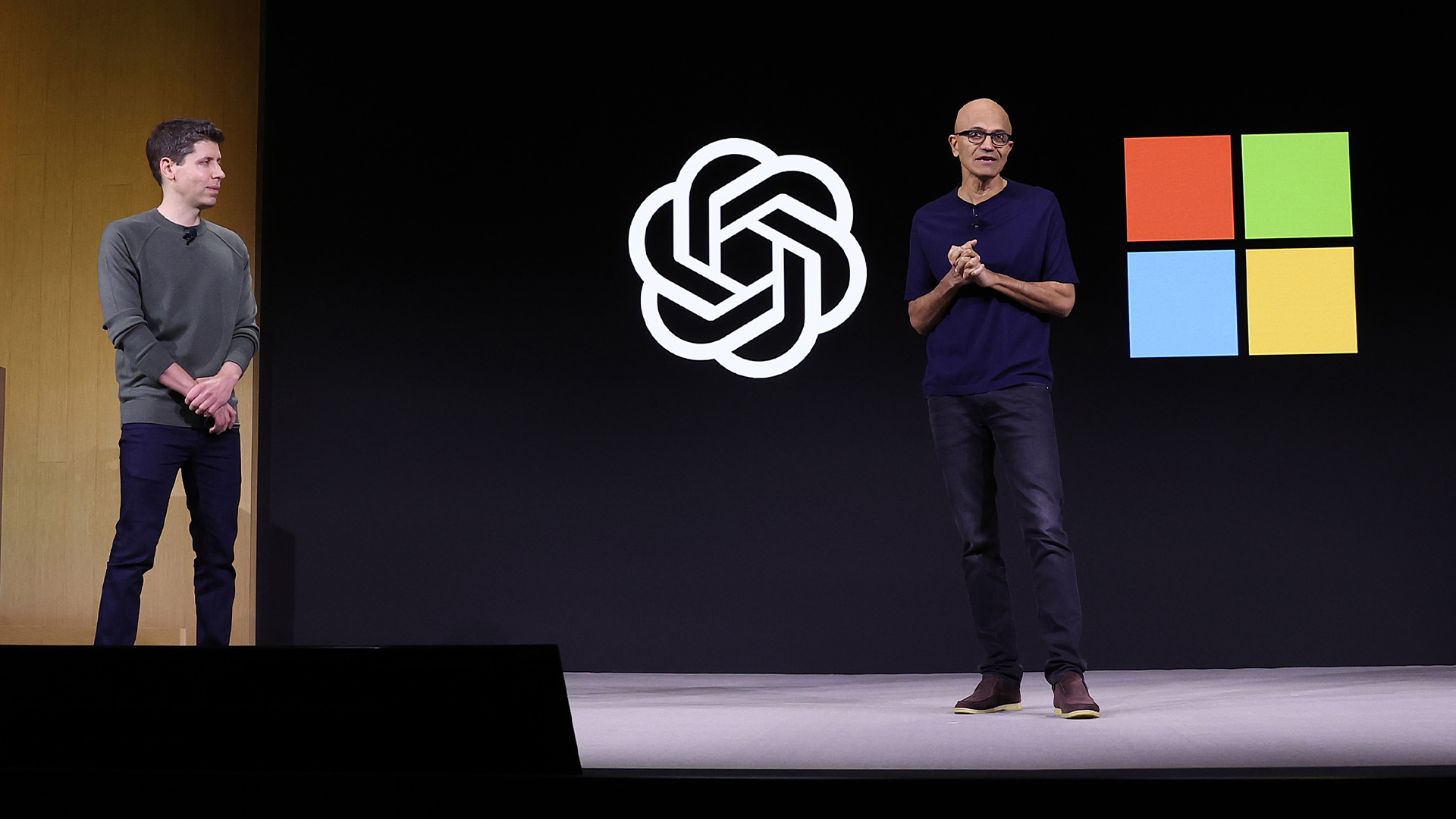 Microsoft gives OpenAI restructuring plans the green light – but its terms ensure it still wins in the long run
News The deal removes fundraising constraints and modifies Microsoft's rights to use OpenAI models and products
-
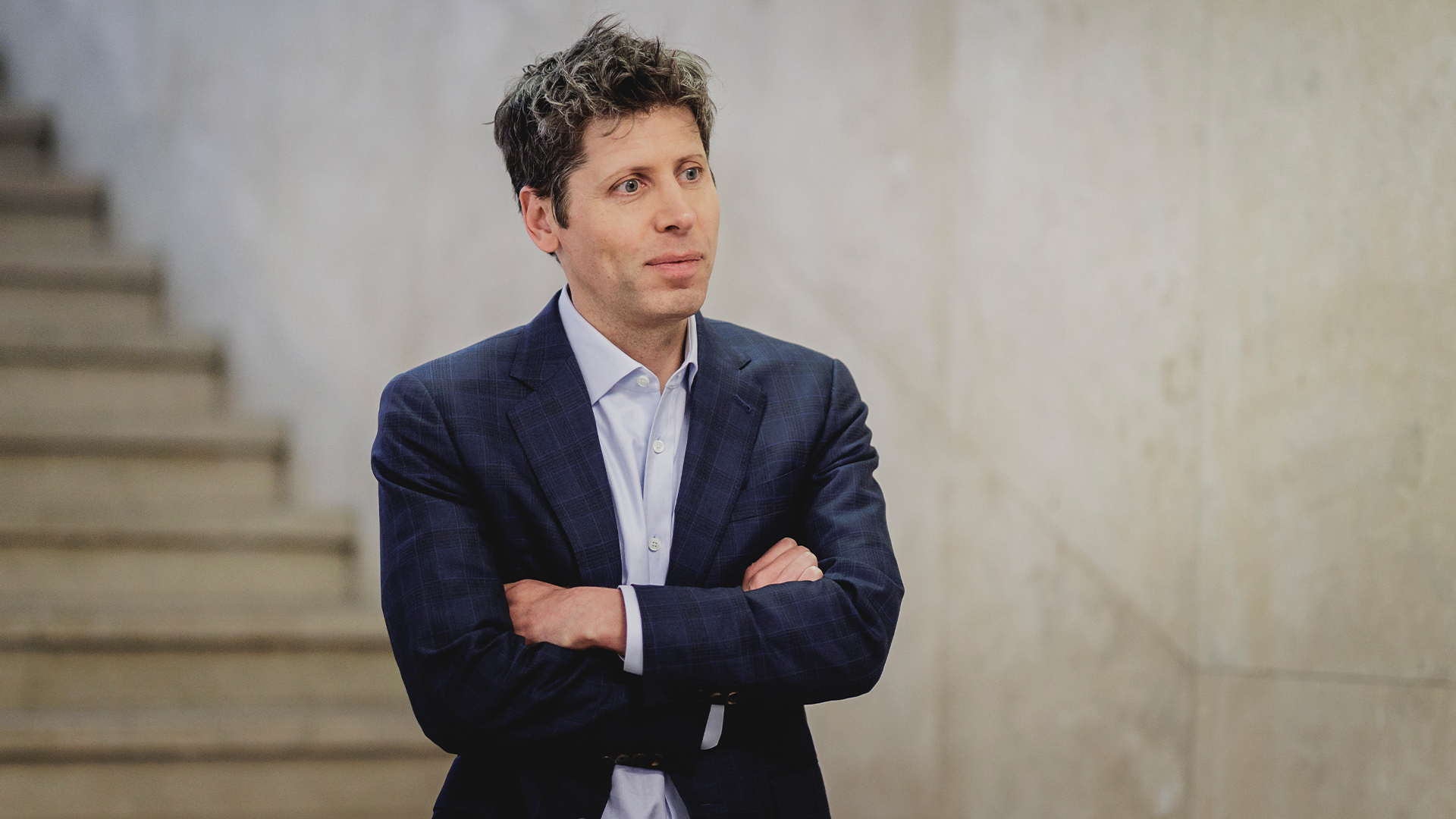 OpenAI has a bold plan to pay for its $1 trillion spending spree: Ads, personal assistants, and cheaper subscriptions
News OpenAI has lined up more than $1 trillion in spending – and now it's trying to figure out how to pay for it all.


