Microsoft sued over performance of Azure business
A class action lawsuit filed by a Michigan pension fund claims that the company failed to tell investors the full story about the costs of its AI expansion


-
 5 reasons every AI team needs a deskside agentic AI accelerator like the Dell Pro Max with GB10
Sponsored The Dell Pro Max with GB10 can help enterprises kickstart and scale their agentic AI adoption journey
-
 10 reasons to choose the Dell Pro 5 for your business
Sponsored The Dell Pro 5 laptop is a productivity powerhouse, hitting the sweet spot businesses like yours


-
 Multi-cloud with AWS and Azure just got a whole lot easier thanks to a new interconnect service
News Azure Multicloud Interconnect for AWS offers a fully managed private connection and is claimed to dramatically simplify the process
-
 Kyndryl expands sovereignty services with Microsoft cloud deal
News As organizations face increasingly complex regulatory frameworks, the company wants to provide practical, scalable architectures
-
 Met Office hails huge efficiency gains in first year of cloud supercomputing with Microsoft Azure
News In moving to the cloud, the Met Office has bolstered operational resilience and helped to deliver more accurate forecasts
-
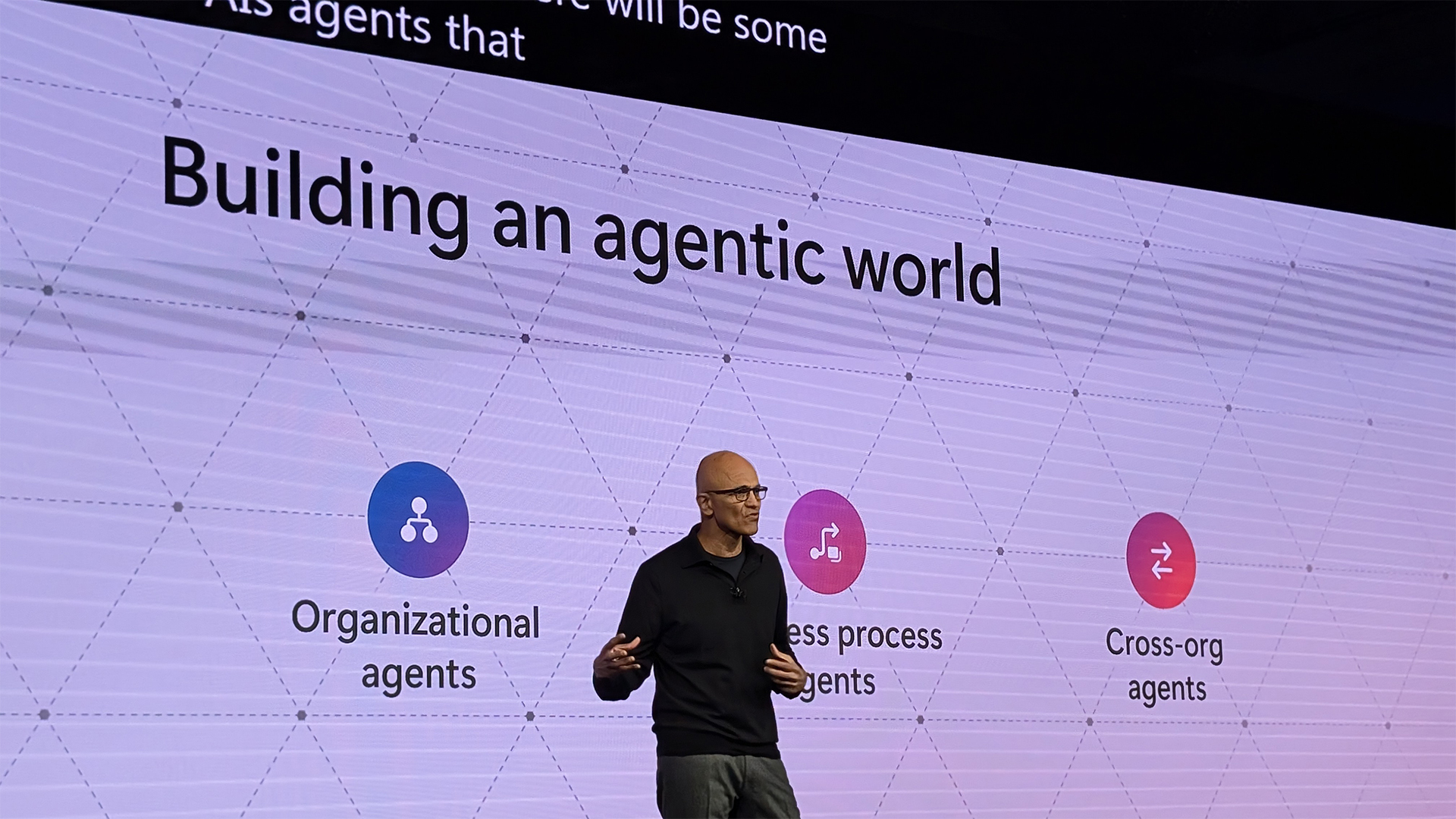 Microsoft CEO Satya Nadella talks up sovereign cloud credentials as firm announces general availability for Azure Local Disconnected, new capabilities for Foundry Local
News As Microsoft hands more control to customers, Satya Nadella touts the tech giant’s growing sovereign ecosystem
-
 Cloud infrastructure spending hit $102.6 billion in Q3 2025 – and AWS marked its strongest performance in three years
News Hyperscalers are increasingly offering platform-level capabilities that support multi-model deployment and the reliable operation of AI agents
-
 Dell Technologies targets private cloud gains with new Azure Local features
News Dell and Microsoft are teaming up to offer private cloud on Azure Local for a simplified hybrid solution
-
 Microsoft’s new ‘marketplace’ lets customers pick and choose cloud, AI solutions
News The Microsoft Marketplace looks to streamline customer access to AI and cloud services
-
 Is AWS' cloud dominance waning? New stats show the hyperscaler's IaaS market share is decreasing while Microsoft and Google record gains
News AWS maintained its lead in the IaaS market last year, but its share decreased while Microsoft and Google recorded gains.


