Cloud infrastructure spending hit $102.6 billion in Q3 2025 – and AWS marked its strongest performance in three years
Hyperscalers are increasingly offering platform-level capabilities that support multi-model deployment and the reliable operation of AI agents


-
 How resellers can turn hybrid meeting pain into repeatable revenue
Industry Insights Reliable technology turns hybrid work frustrations into recurring reseller revenue opportunities
-
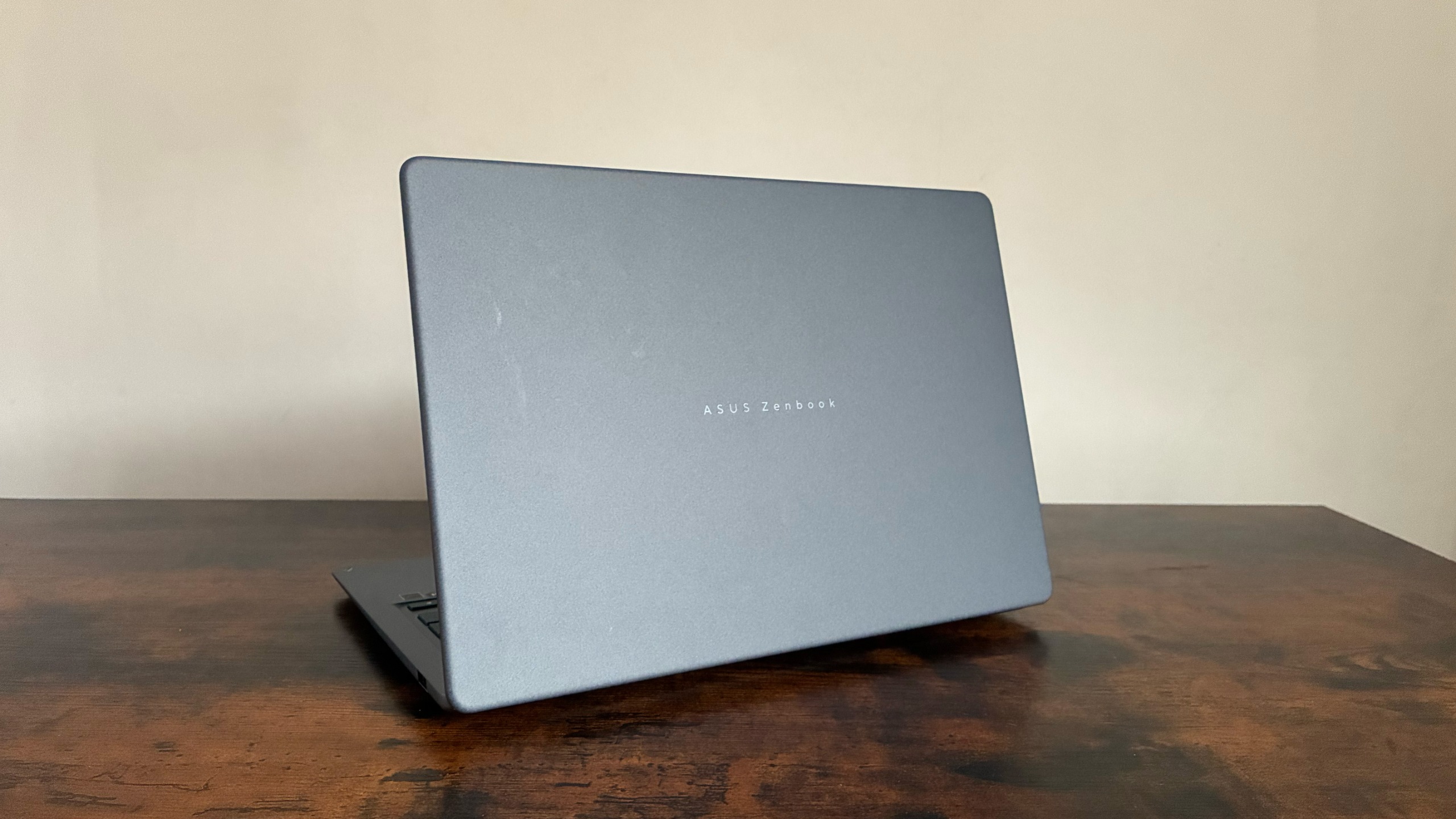 Asus Zenbook 14 (Snapdragon X UX3480Q) review
Reviews Poor battery performance and an older Snapdragon chip, but still a good choice for the office


-
 Multi-cloud with AWS and Azure just got a whole lot easier thanks to a new interconnect service
News Azure Multicloud Interconnect for AWS offers a fully managed private connection and is claimed to dramatically simplify the process
-
 NOAA will shift critical weather forecasting services to public cloud in modernization push
News The move builds on long-running digital transformation efforts by NOAA
-
 Airbus announces cloud deal with Scaleway in digital sovereignty push
News The move by Airbus comes amidst growing concerns about digital sovereignty and the influence of US-based hyperscalers
-
 Beware of exposed serverless cloud functions, Mandiant warns
News The rise of generative AI means the firm's seeing more vulnerable environments: here's what it thinks you should do
-
 Kyndryl expands sovereignty services with Microsoft cloud deal
News As organizations face increasingly complex regulatory frameworks, the company wants to provide practical, scalable architectures
-
 Microsoft sued over performance of Azure business
News A class action lawsuit filed by a Michigan pension fund claims that the company failed to tell investors the full story about the costs of its AI expansion
-
 Google Cloud Next 2026: all the live updates as they happen
Live blog ITPro is on the ground at Google Cloud Next 2026, to cover all the latest announcements from the day one keynote
-
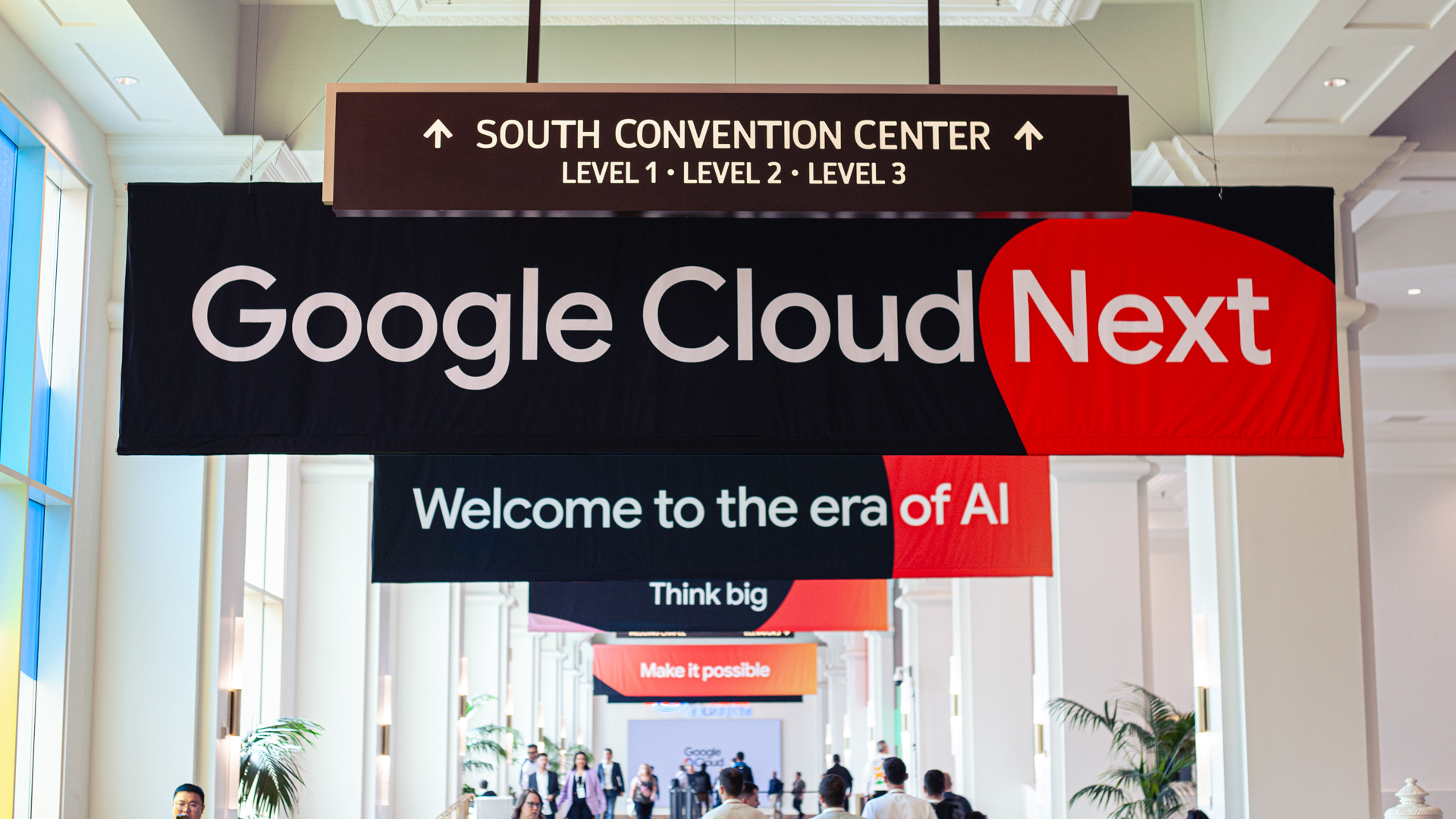 Google Cloud Next 2026 is a chance to demonstrate Google’s unique advantages
Opinion Across hardware, security, and AI optimization, Google Cloud can use its annual event to market itself as the best all-round choice for enterprise AI


