

The Dell Pro Precision with GB300 lets IT leaders run agentic AI workloads on a high-performance deskside workstation instead of paying per token in the cloud. In Signal65’s modeling, running 132 software development agents on the Dell Pro Precision with GB300 cut two-year costs by 92% (a saving of $1.12 million-$1.17 million) against a leading frontier API.
Here’s why agentic AI is so costly in the cloud, and when local compute makes more sense.
TL;DR
- Cloud-based token consumption can rack up huge bills in high-complexity tasks
- The Dell Pro Precision with GB300 helps reduce costs by running AI and agents locally
- In Signal65’s modeling, running 132 software development agents on the Dell Pro Precision with GB300 cut two-year costs by 92% against a leading frontier API, and 61% against Amazon Bedrock
- Dell says the Dell Pro Precision with GB300 supports models of 120 billion to one trillion parameters
- Dell’s MaxCool parallel liquid cooling is designed to help the Dell Pro Precision with GB300 sustain performance under heavy workloads
AI costs have become a recurring pain point for enterprise IT leaders over the past year, with token prices swinging sharply since the start of 2026. Although AI token prices dipped to a record low during September 2026, the cost of each agentic workflow could well keep climbing. Gartner® predicts “AI inference costs per agentic workflow will increase more than fivefold through 2028”.*
Separate analysis from Futurum Research shows 93% of enterprises are already piloting, researching, or deploying AI agents. With this in mind, IT leaders face a delicate balancing act over the next 18 months to meet ambitious AI adoption goals while preventing costs from soaring.
To tackle this quandary, IT leaders need to understand why agentic workloads are such a challenge. A key factor is that agents don’t answer in one go: they break a task into steps, calling the model again at each one, and every call is billed.

Why do agentic AI workloads cost so much to run in the cloud?
Unlike a chatbot or AI assistant, which returns a single response to each query, agents work in continuous loops to achieve a goal. This requires sustained inference, which significantly increases token consumption and, with it, costs. Three factors drive the bill:
- Repeated model calls: an agent plans, acts, and checks its work in a loop, and each step is billed as a separate interaction
- A growing record: each tool result goes back into the model, so every new step re-reads a longer running history
- Hidden reasoning: many agents run on reasoning models, which use tokens to think before they respond
The situation is further exacerbated depending on the complexity of the tasks agents are allocated. The more complex the task, the longer it takes, and the more tokens are consumed. For IT leaders, the numbers can appear jarring.
Analysis from Signal65, for example, found that agentic workloads “consume orders of magnitude more tokens” than standard chatbot interactions, with agents easily using 4x to 15x more tokens.
“As agentic workloads continue to evolve, token growth is expected to grow even further, with autonomous agents driving up to 1000x more inference demand than reasoning AI,” the study states.
Enterprise approaches to AI development add to the problem. Many enterprise AI projects have relied on cloud-hosted models – largely for convenience, consumption-based pricing, and flexibility. As projects expand and mature, enterprises can keep scaling in the public cloud, but doing so adds to the financial strain.
Running AI development locally on deskside agentic AI workstations such as the Dell Pro Precision with GB300 offers an alternative.

What can the Dell Pro Precision with GB300 run locally?
AI development isn’t restricted solely to the cloud. Indeed, enterprises are increasingly flocking to a range of high-performance workstations such as the Dell Pro Precision with GB300.
Powered by the NVIDIA Grace Blackwell Ultra Desktop Superchip, the Dell Pro Precision with GB300 brings data center-class AI capabilities to the desk. Key specs include:
- 20,000 TFLOPS (20 petaFLOPS) of FP4 performance
- 748GB of coherent memory: 252GB of HBM3e GPU memory plus 496GB of LPDDR5X CPU memory
- Support for models of 120 billion to one trillion parameters
This makes Dell Pro Precision with GB300 a powerhouse for agentic orchestration and running AI models locally – and benchmarking conducted by Signal65 highlighted the potential of the device.
How much could the Dell Pro Precision with GB300 save compared with cloud APIs?
Signal65’s modeling suggests the Dell Pro Precision with GB300 can take a huge bite out of token costs, especially for demanding work such as agent-assisted software development. The analyst firm looked at two years of running costs and compared Dell Pro Precision with GB300 performance against two cloud options: Amazon Bedrock, running the same open-weight model, and a leading frontier API.
The headline result? A fleet of 132 software development agents on the Dell Pro Precision with GB300 cost 92% less than the frontier API and 61% less than Amazon Bedrock over two years. Signal65 estimates the workstation pays for itself in under three months against the frontier API, and in roughly nine to 18 months against Amazon Bedrock, depending on the workload.
Software development is the most demanding workload Signal65 tested, so the savings are smaller for lighter jobs, but they’re still hugely significant. For knowledge worker agents, the Dell Pro Precision with GB300 came out 26% cheaper than Amazon Bedrock and 88% cheaper than the frontier API. For sales agents, the figures were 41% and 89%.

Keeping heavy AI workloads cool on the Dell Pro Precision with GB300
The Dell Pro Precision with GB300 features Dell’s MaxCool thermal technology, a parallel liquid-cooling architecture designed to maintain performance without throttling under heavy, data-intensive workloads. According to Dell, MaxCool removes heat up to 5x more efficiently than a reference cooling solution, helping free up power that can be directed toward system performance.
If you think Dell's deskside agentic AI workstations are the right call for your business, find out more on the Dell website: US readers click here.
FAQs
Why do AI agents cost so much more to run in the cloud than chatbots?
Because they make many model calls per task instead of one. Agents work in loops, calling the model at each step, and every call is billed. Signal65 found agents easily use 4x to 15x more tokens than chatbot interactions.
How much could the Dell Pro Precision with GB300 save compared with cloud APIs?
In Signal65’s two-year modeling, the Dell Pro Precision with GB300 cut costs by 26% to 61% against Amazon Bedrock and 88% to 92% against a leading frontier API, depending on the workload. Running 132 software development agents on the Dell Pro Precision with GB300 cost 61% less than Amazon Bedrock and 92% less than the frontier API. Break-even came in at under three months against the frontier API and roughly nine to 18 months against Amazon Bedrock. Results vary by workload.
What can the Dell Pro Precision with GB300 run at a desk?
Models of 120 billion to one trillion parameters, according to Dell. Powered by the NVIDIA Grace Blackwell Ultra Desktop Superchip, it offers 20,000 TFLOPS of FP4 performance and 748GB of coherent memory, with MaxCool liquid cooling to help sustain performance under heavy workloads.
*Gartner Press Release, Gartner Predicts AI Inference Costs Per Agentic Workflow Will Increase More than Fivefold Through 2028, August 17, 2026, GARTNER is a trademark of Gartner, Inc. and/or its affiliates
-
 Defending tomorrow: 5 reasons Dell PowerProtect is built for the AI threat era
Sponsored How Dell PowerProtect helps your organization identify suspicious activity and recover with confidence
-
 Openreach issues last-ditch warning over legacy business lines
News The advisory marks the latest in a string of warnings ahead of the PSTN switch-off


-
 Need a fleet of solid Windows business laptops? Modernize with the Dell Pro 3
Sponsored Aging laptops can nix a small business’s efficiency and productivity, but the Dell Pro 3 can help bring you up to date
-
 5 features that make the Dell Pro 7 the ultimate travel laptop for business professionals
Sponsored Discover five Dell Pro 7 features for business professionals on the move: lightweight design, privacy display options, premium collaboration tools, battery life, and layered security
-
 Looking for high-performance business laptops for heavy workloads? The Dell Pro 5 is a serious contender
Sponsored With powerful new AI PCs hitting the market, enterprises face a crucial decision when opting for new workforce devices
-
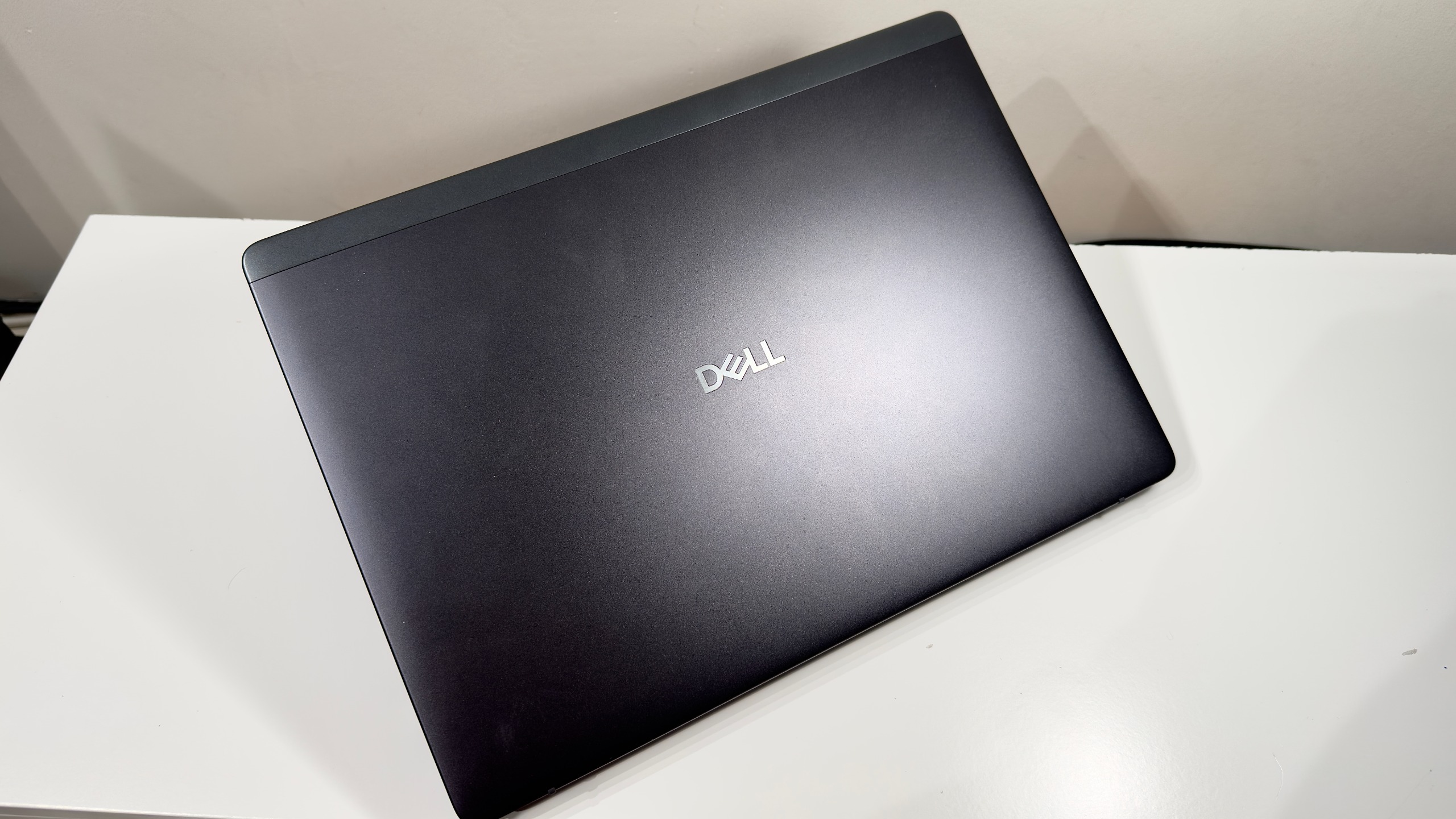 The Dell Pro 5 Series 14 laptop is a welcome return to form – but it's battery life is underwhelming
Reviews A 14in business laptop that's powerful, upgradable, and well-designed from top to bottom
-
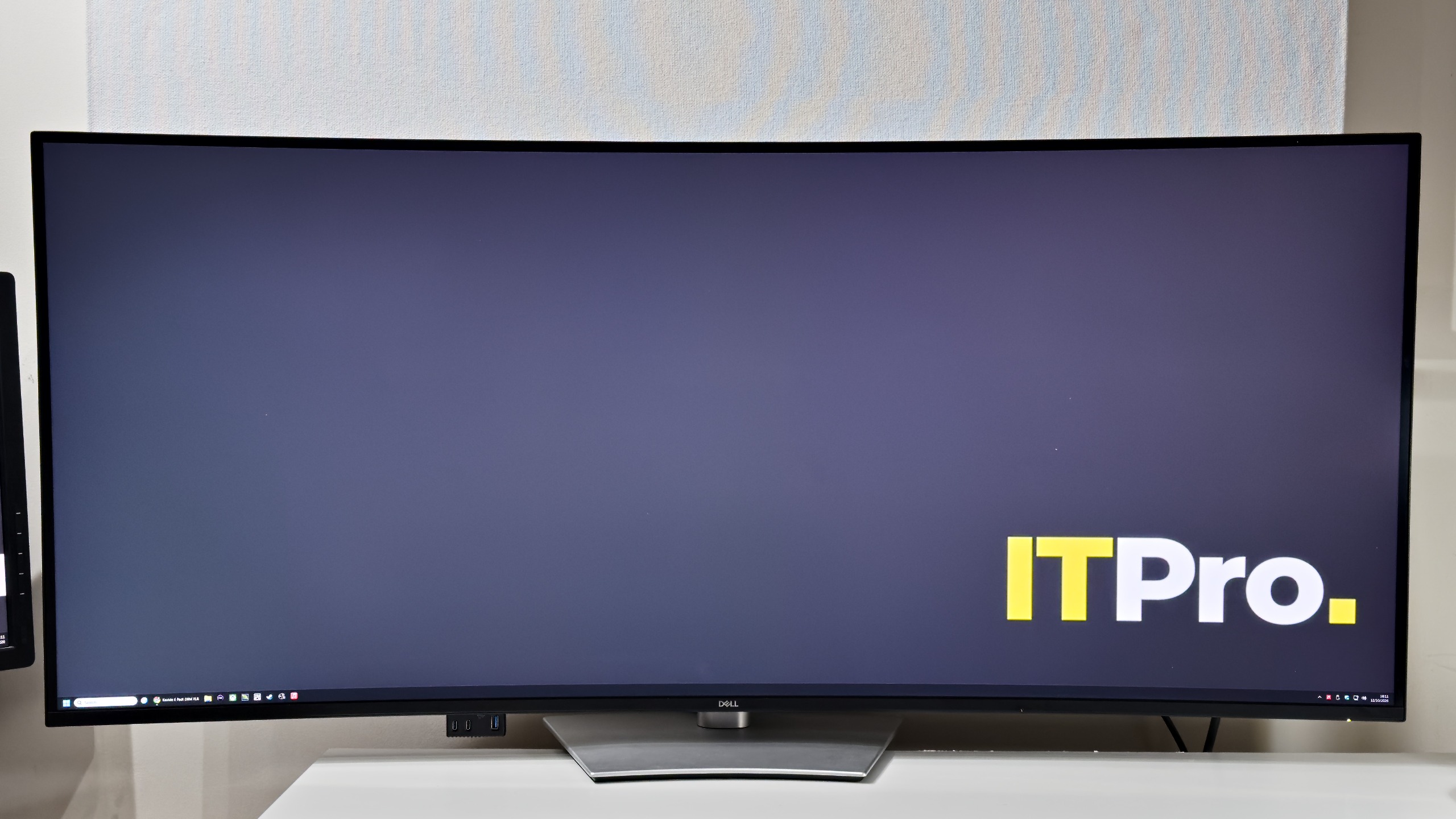 Dell UltraSharp U5226KW review: The perfect ultrawide monitor for power users
Reviews A gargantuan ultrawide monitor perfect for power users and 4K video editing – but image quality pales in comparison to professional panels
-
 Is your data ready for the AI rush? Questions IT leaders should ask before scaling AI
Sponsored IT leaders face an array of considerations when embarking on an AI initiative, but what areas should they prioritize?
-
 8 reasons the NVIDIA-powered Dell Pro Precision with GB10 could become every AI developer’s favorite tool
Sponsored How Dell Pro Precision with GB10 puts frontier-level AI compute on your desk (and could save you money on token spend)
-
 $3k a day on tokens? Dell’s deskside agentic AI Accelerators will save you money on AI development
Sponsored Enterprises are facing rising AI bills, but it doesn’t have to be that way


