Microsoft’s incessant efforts to push users onto Windows 11 may have taken a major blow thanks to Google’s new ChromeOS Flex launch – and it could be the perfect remedy for cost conscious businesses dithering over upgrading.
The tech giant has teamed up with electronics refurbishing company, Back Market, to let Mac and Windows users install the operating system on their ageing devices by simply inserting a USB and converting the device OS.
It’s something of a masterstroke by Google and comes at a critical time in the enterprise and consumer hardware markets. With Windows 10 support ending in October last year, millions of users worldwide are facing a ticking timebomb with upgrades.
Microsoft has been pestering users to make the shift for years at this point, even though upwards of 500 million device owners have a PC that’s too old to even upgrade.
Of course, you can continue using Windows 10 through the Extended Security Updates (ESU) program, but as ITPro previously reported, that could prove costly.
Research from Nexthink in September last year projected that costs for maintaining the ageing operating system would exceed $7.3 billion globally. Those staggering numbers paint a grim picture for those hoping to stick with the highly popular OS.
Combine the Windows 11 conundrum with the fact that hardware prices are expected to skyrocket this year, and the situation is even worse for enterprises and consumers alike.
Neither appear too keen on upgrading while RAM prices are astronomical, recent research shows. Given that confluence of issues, Google could be onto a winner with ChromeOS Flex.
What to expect with ChromeOS Flex
ChromeOS Flex is free to use for anyone, but it’s primarily aimed at use among academic institutions and businesses.
The tech giant has an enterprise-grade option, which will undoubtedly be a viable choice for smaller businesses looking to eke out device lifecycles – a tactic that will become more common amid price hikes.
The benefits here are tantalizing for IT admins, many of whom will be rubbing their hands at the prospect of managing an operating system, devices, and apps all within one ecosystem. If you’re a Google Workspace shop, it’s the perfect choice.
To get your hands on it, Back Market USB kits are available for as little as $3 (although they appear to be sold out as of 9 April). Alternatively, you can download ChromeOS Flex for free online.
If you’ve got an ageing device that’s struggling, the cloud-based operating system could be the one for you. A quick browse through the company’s sprawling list of certified models underlines the scope of the scheme. A total of 640 devices ranging back well over a decade are covered by the scheme.
Diving into the list, I found some of ITPro’s old archived reviews, including the Dell Latitude 3440 (2014) edition and Microsoft Surface Pro 3 devices are certified. If you’re somehow still clinging onto ancient tech, the benefits here are huge.
Sustainability gains
The Windows 11 push isn’t just a financial burden for enterprises and consumers, research shows it has a serious environmental impact. Research last year, for example, warned of a looming torrent of e-waste due to the changeover.
Many older devices which can’t run Windows 11 have ended up on the scrapheap. It’s a waste of perfectly good hardware and a slap in the face for consumers and businesses that are conscious of, or legally obligated to, improving sustainability.
Figures from businesswaste.co.uk found the Windows 10 end of life transition will generate around 12,805,100 kg of metals – equivalent to more than 8,000 cars.
Google’s own figures suggested that an estimated 61.3 metric tons of e-waste will be thrown away in 2026 alone. For perspective, that’s the equivalent of around 168 Empire State Buildings.
ChromeOS Flex could go a long way to help cutting down those eye-watering figures, providing there’s uptake, of course. Google claims converting around 10,000 devices to the operating system could prevent 50,000 pounds of e-waste from ending up on the scrapheap.
A tough time for Microsoft
This isn’t a direct dig at Microsoft. Indeed, Google is keen to emphasize that some older Apple devices can also be converted to ChromeOS Flex.
It undoubtedly comes at a difficult time for the tech giant though. Microsoft has bent over backwards to push users to its newer operating system, I begrudgingly upgraded my personal device some time ago.
All things considered, Microsoft hasn’t done a very good job of encouraging users to make the shift. Upwards of one billion devices worldwide were still running Windows 10 as of December 2025.
Admittedly, we can’t all cling onto the operating system we love. If that was the case then I’m sure a few of us would still be working on Windows XP. The back and forth between consumers and the tech giant has made it irritating, however.
Deadlines were set, then pushed back. Confusion over the prospect of continued support was rampant, and with the exorbitant costs associated with sticking to Windows 10, the company was clearly strong-arming businesses into making the shift.
Microsoft has also faced pushback from consumers over its incessant shoehorning of AI features within Windows – an issue it’s vowed to address in recent weeks.
The launch of the MacBook Neo adds insult to injury on this front as well. With the launch of the price-conscious laptop series, even the most ardent Windows users may be wooed, and I rank myself in this demographic.
Microsoft has tinkered with Windows 11 too much and forced us all to make hard choices with our beloved hardware and operating systems. Google is offering us a lifeline.


 Data centre and cloud shares slide amid AI gloom
 Workday customers showcase how to unlock AI value

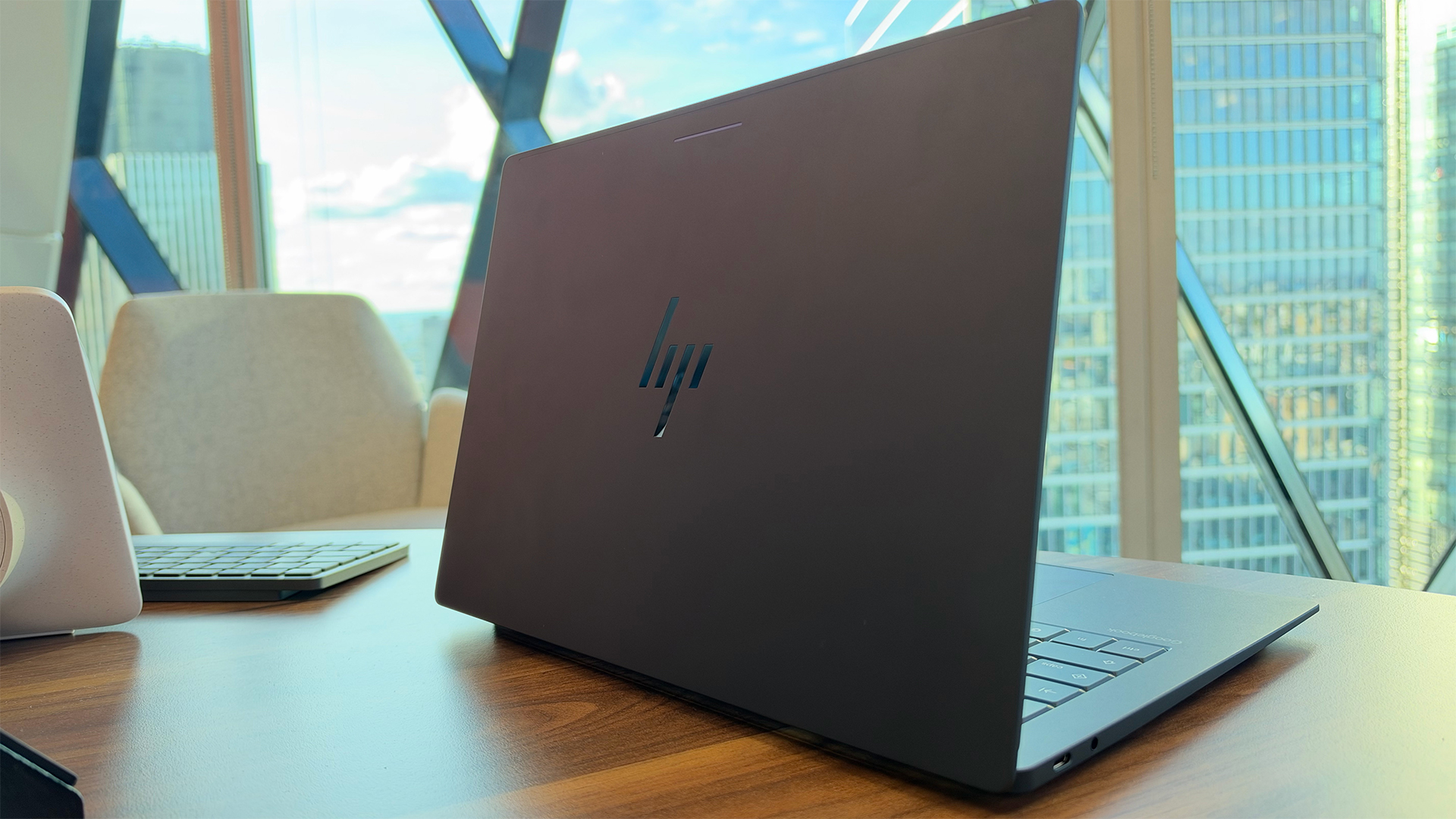 Googlebook: Everything you need to know about the new Gemini-powered laptop range – including pricing, performance specs, and release dates
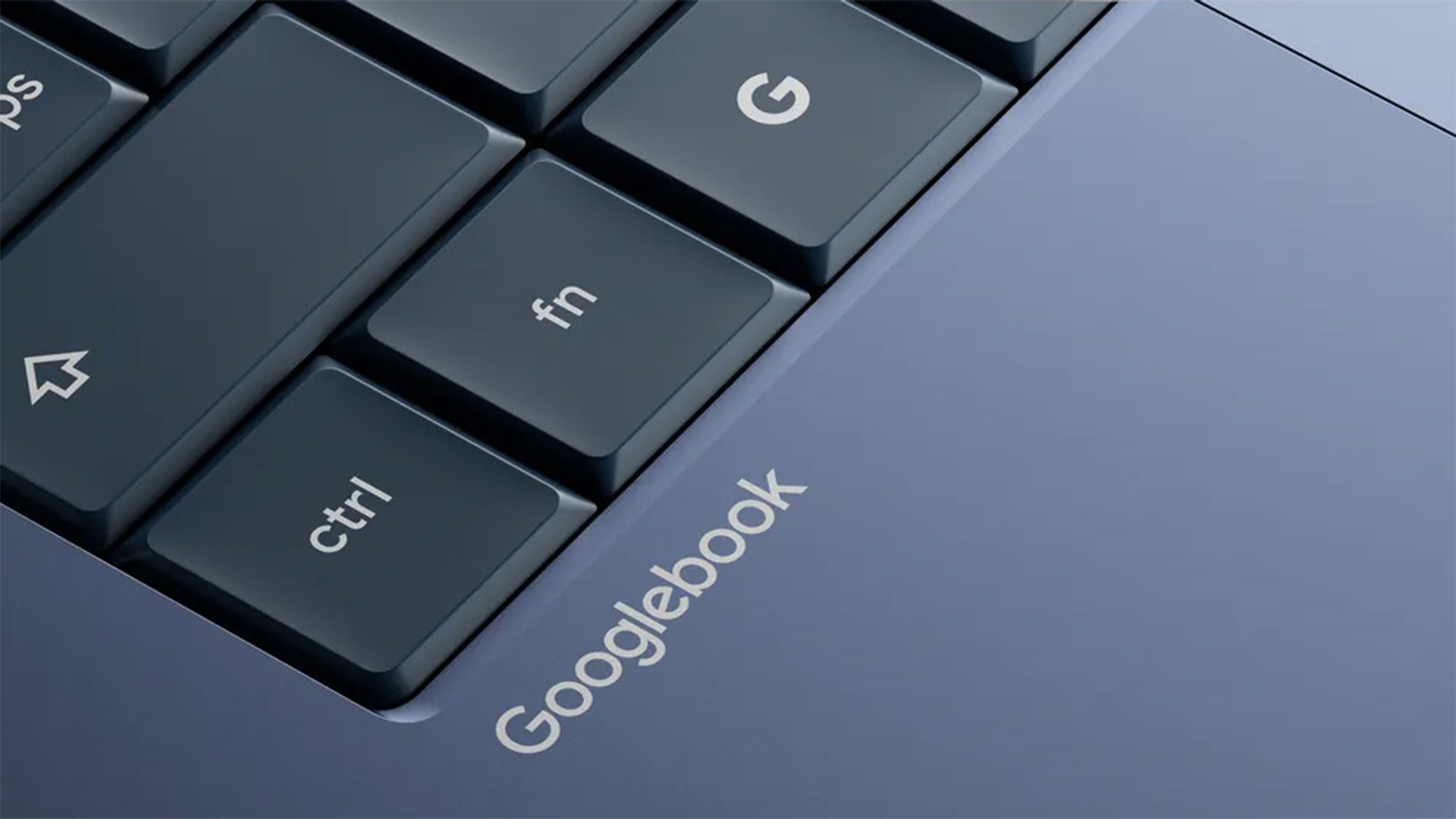 Move over Chromebook – Google teases Gemini-native Googlebook range, with new laptops coming later in the year
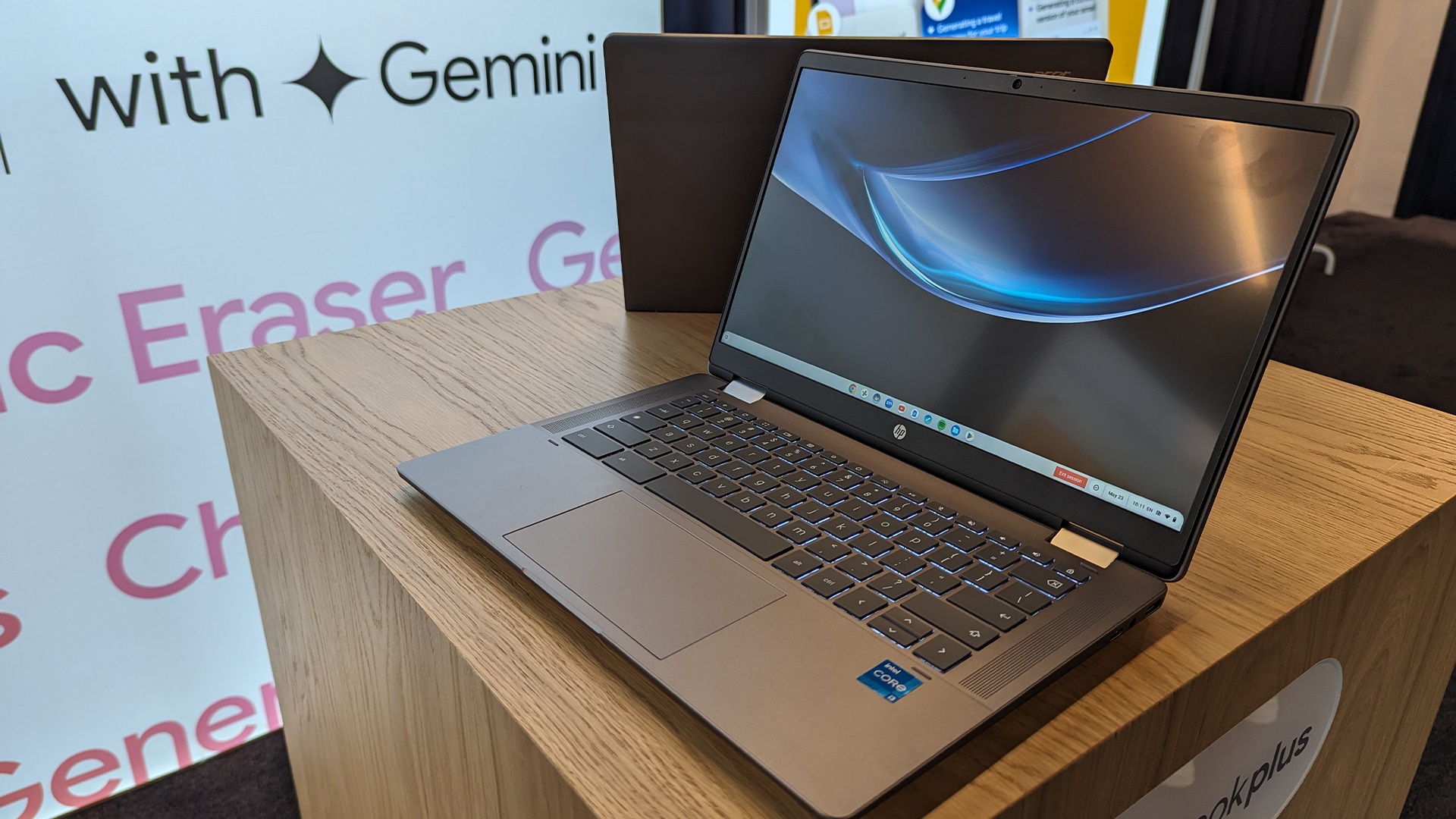 Chromebook Plus devices are getting an AI boost with Gemini — and we’ve had an early preview

