Microsoft is rolling back 'unnecessary' Copilot features on Windows
The move follows a recent rollback of planned Copilot features on the operating system


-
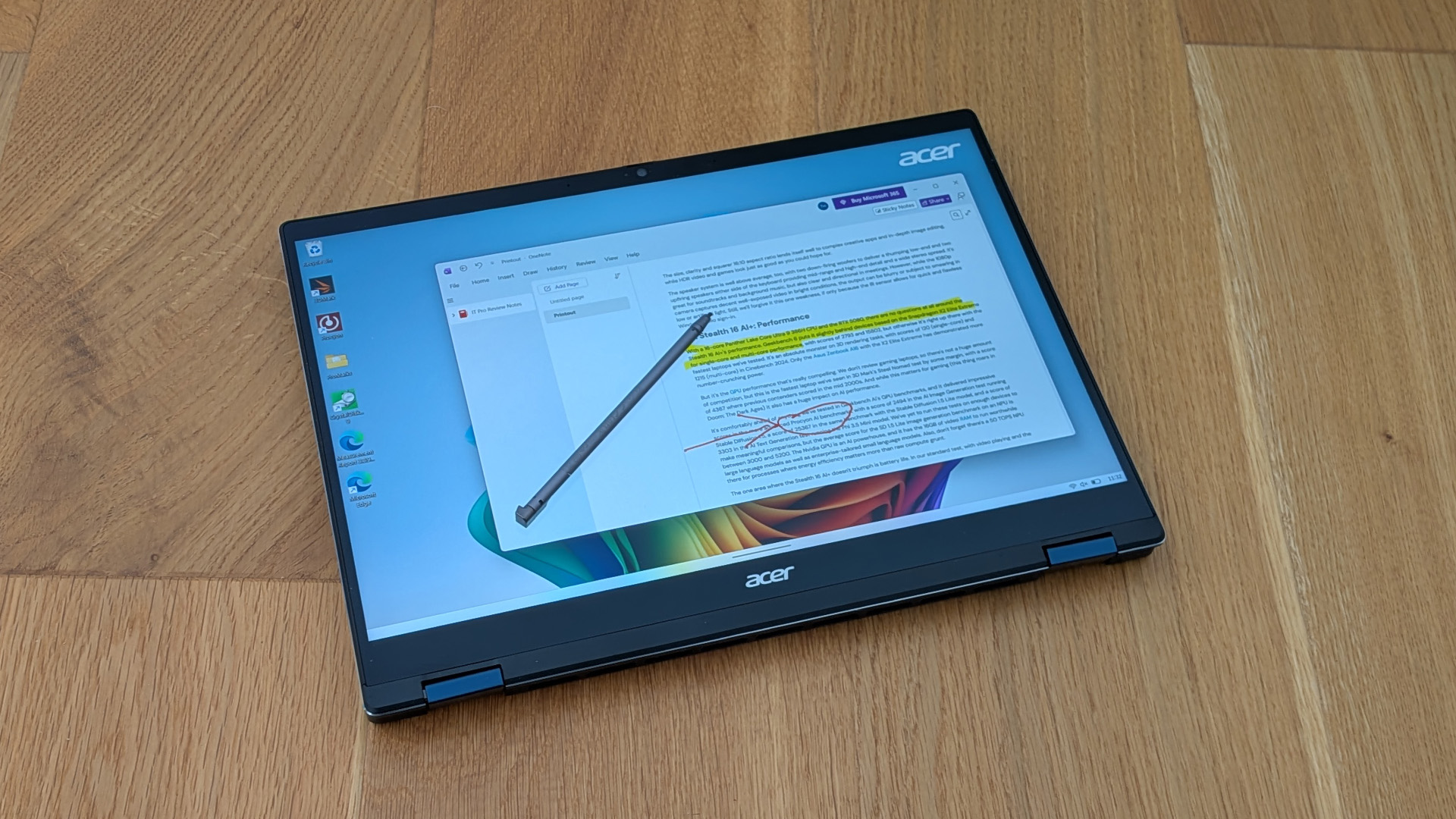 Acer Swift Spin 14 AI review
Reviews An effective and versatile laptop that makes good sense for professionals and small-business uses, with a garaged stylus for making notes
-
 Why secure behavior management Is becoming the channel's next growth opportunity
Industry Insights Channel partners must shift from just selling tools to capitalizing on secure behavior management


-
 The Microsoft 365 outage explained: What happened, what apps are affected, and is a fix available?
News The latest Microsoft 365 outage has run into its second day, but recovery is underway
-
 Why is Windows 11 so disliked by programmers – and can Microsoft do anything to change things?
Windows isn't the most useful OS in the eyes of developers, with programmers preferring macOS or Linux. But is its bad reputation uncalled for?
-
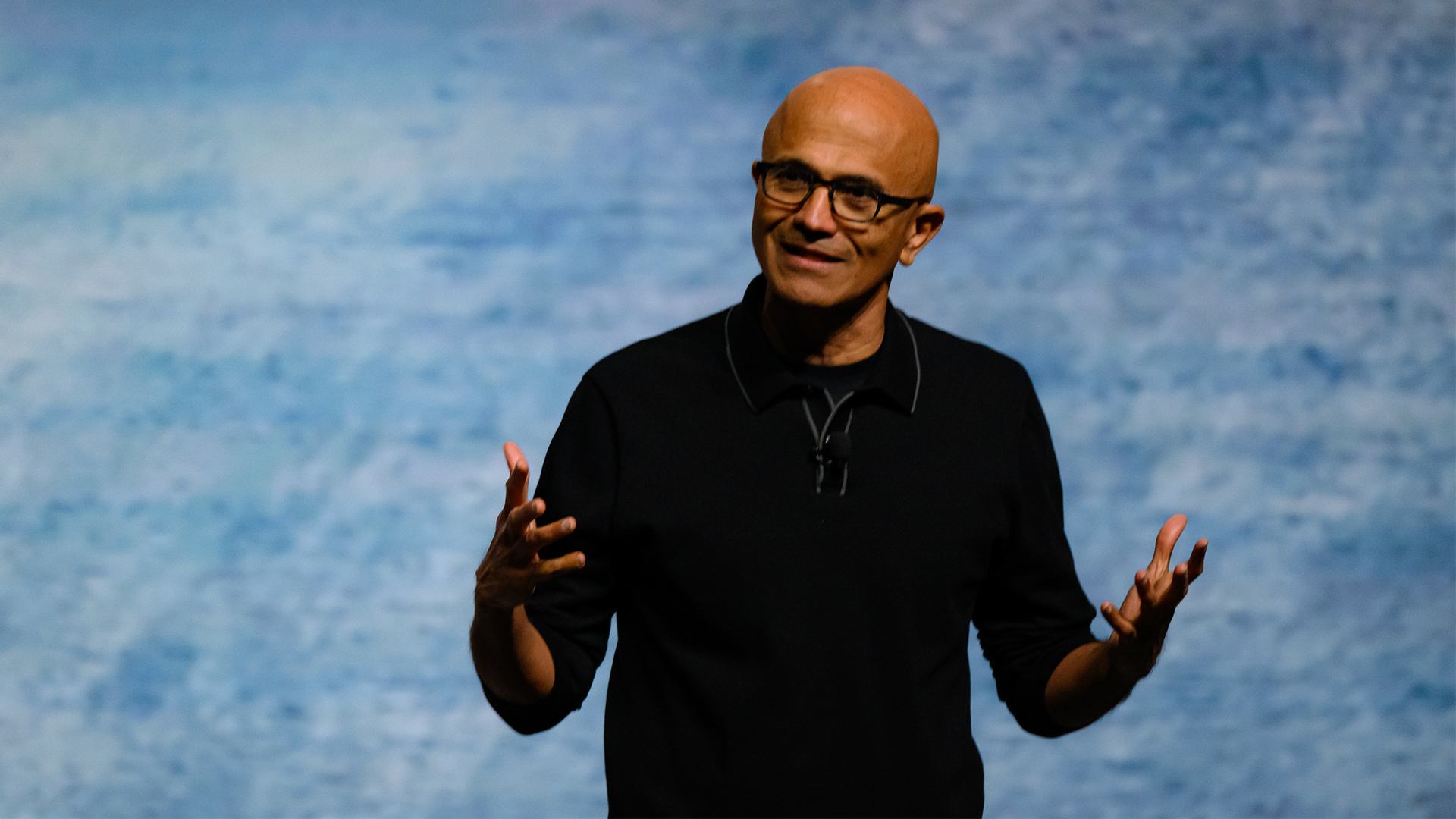 'We are focused on fundamentals, prioritizing quality, and serving our core users better': Satya Nadella teases big Windows improvements – and changes could come this year
News Satya Nadella told analysts that Microsoft is doing “foundational work to win back fans” across Windows, Xbox, Bing, and Edge
-
Microsoft pledged to simplify Windows 11 updates – it just paused a preview over installation errors
News Two weeks after pledging to improve Windows 11 updates, a preview suffers installation issues
-
 Everything you need to know about the new E7 Microsoft 365 tier, including features, pricing, and release date
News The new premium bundle for Microsoft 365 adds AI capabilities to traditional tiers
-
 Not keen on Microsoft Copilot? Don’t worry, your admins can now uninstall it – but only if you've not used it within 28 days
News The latest Windows 11 Insider Preview will include a policy for removing the app entirely — but only in certain conditions
-
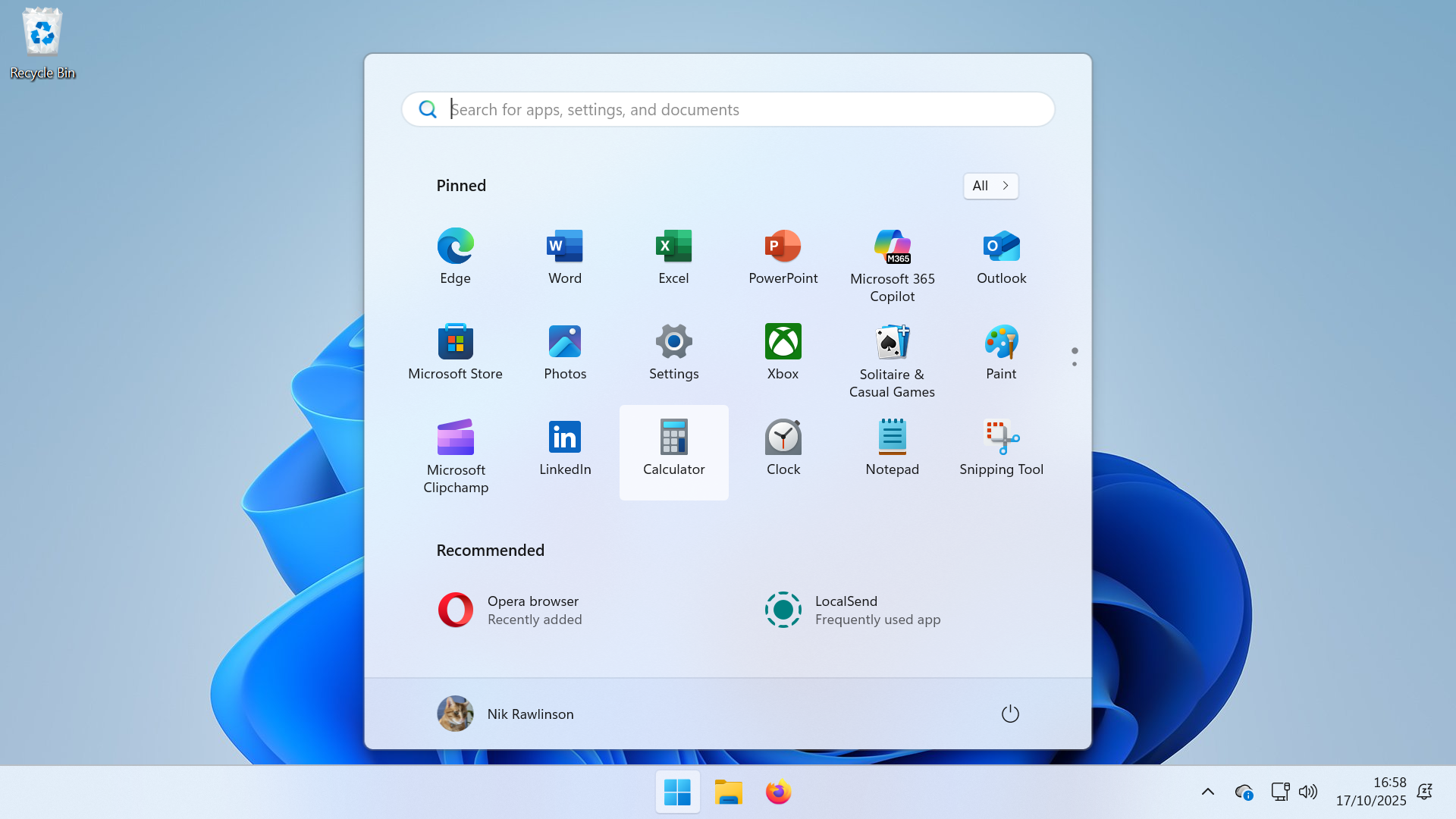 Windows 10 end of life has passed – here's your business guide to Windows 11
In-depth As Windows 10's mainstream support ends, it's time for businesses who have yet to upgrade to take a second look at Windows 11
-
 Microsoft 365 price hikes have landed the tech giant in hot water
News Australian regulators have filed a lawsuit against Microsoft for allegedly misleading users over Microsoft 365 pricing changes.


