AMD adds Microsoft to its growing roster of Helios customers as firm launches three new VMs for Azure users
The collaboration marks the latest big tech customer for AMD’s “game changer” Helios system
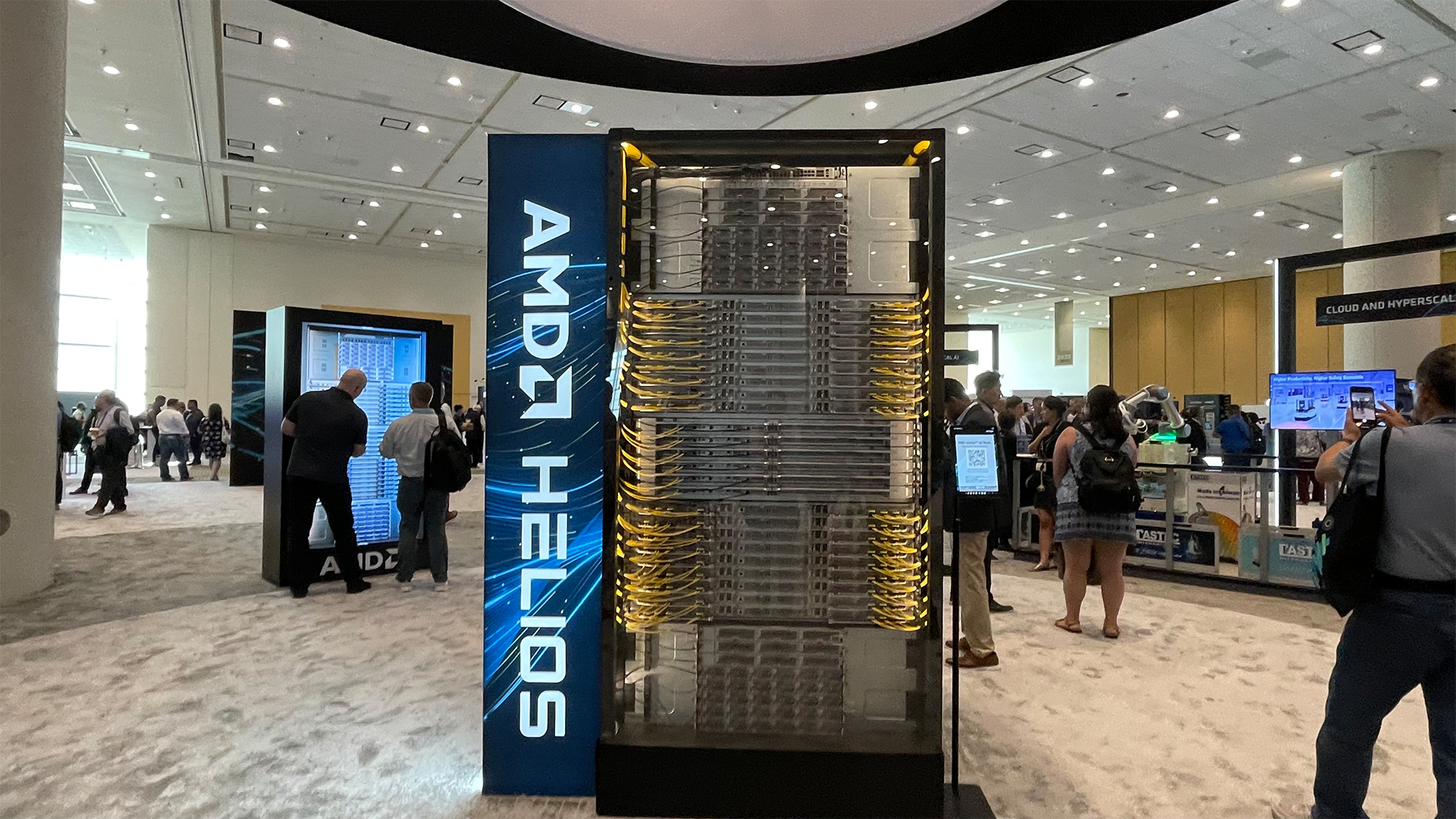
Microsoft has announced it will deploy AMD’s Helios rack-scale solution as it targets data processing and AI inference gains for Azure customers.
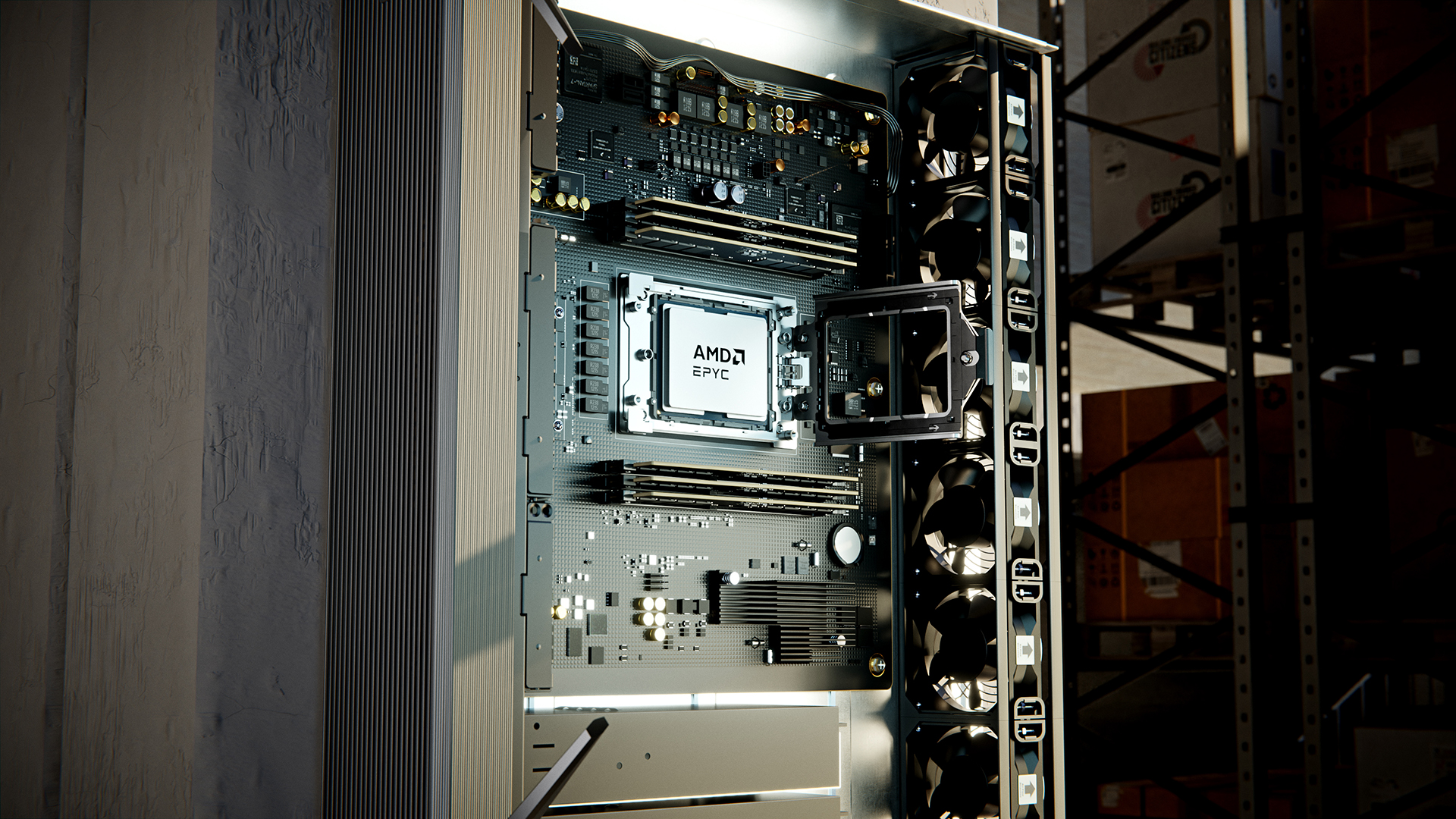
The collaboration will see three new AMD EPYC CPU-powered virtual machine (VM) offerings made available through Azure. These include:
- HDv2 VMs
- HCx2 VMs
- ND MI455X v7 VMs
The first of these, Azure HDv2, is designed for large-scale data processing and to “empower massive agentic workload adoption”.
Featuring 500 sixth-generation EPYC CPU cores, HDv2 VMs boast 4TB of RAM, 32TB of local NVMe storage, and 500Gbps Azure Boost networking capabilities.
Azure HCx2 VMs, meanwhile, are designed primarily for silicon design and technical computing tasks, such as scientific simulations and engineering analysis.
This series builds on the design of Azure HX virtual machines, which the company launched in partnership with AMD in 2023.
HXv2 VMs will include 176 AMD sixth-gen EPYC CPU cores. These offer “significantly increased” per-VM and per-core performance and will also include 800GB InfinBand for “large-scale MPI-based simulations”.
Sign up today and you will receive a free copy of our Future Focus 2026 report - the leading resource for IT decision-maker insight on priorities and investment areas in AI, security and more.
Elsewhere, the ND MI455X v7 specifically targets “production-scale” AI inference improvements for Azure customers.
“ND MI455X v7 is designed for the reasoning, search and agentic workloads behind modern AI services,” Microsoft said in a blog post.
“Powered by the AMD Helios rackscale solution, it expands Azure’s infrastructure options for large-scale inference and is designed to deliver strong performance and efficiency for demanding AI workloads.”
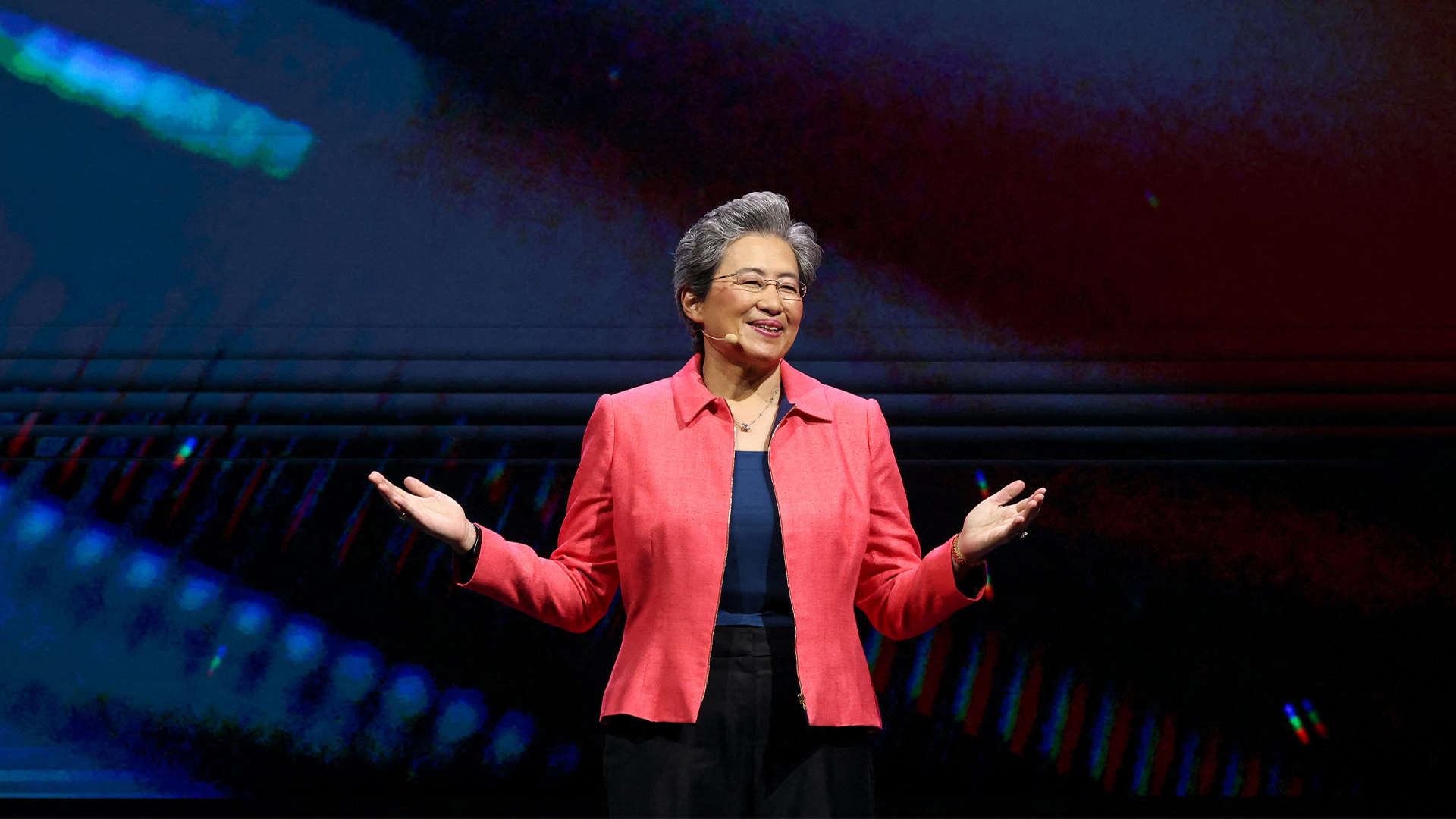
The move makes Microsoft the latest in a string of big tech customers flocking to the Helios system. AMD chief executive Lisa Su said the deal builds on long-standing ties between the duo.
“AMD and Microsoft have spent years building high-performance infrastructure together, and today we're extending that partnership across the full stack of AMD AI solutions on Azure,” said AMD CEO Lisa Su.
“Microsoft's new AMD deployments mark an important milestone as we deliver leadership compute solutions to Azure customers and scale the next generation of AI infrastructure together.”
Microsoft targets “scale and choice” for customers
Helios is AMD’s first rack-scale system designed specifically for frontier model training and large-scale AI inference. The system combines AMD Instinct MI455X GPUs, AMD EPYC “Venice” CPUs, Pensando networking, and ROCm software..
Microsoft CEO Satya Nadella said the collaboration marks a significant expansion of Azure infrastructure capabilities.
“Customers are looking for AI infrastructure that is optimized for a wide range of workloads, from training and inference to data preparation, search, and reinforcement learning," he said.
"Through our collaboration with AMD, we are expanding the Azure infrastructure portfolio with AMD Helios to give customers the performance, scale and choice they need to build and run the next generation of AI applications.”
Helios roll-out pending
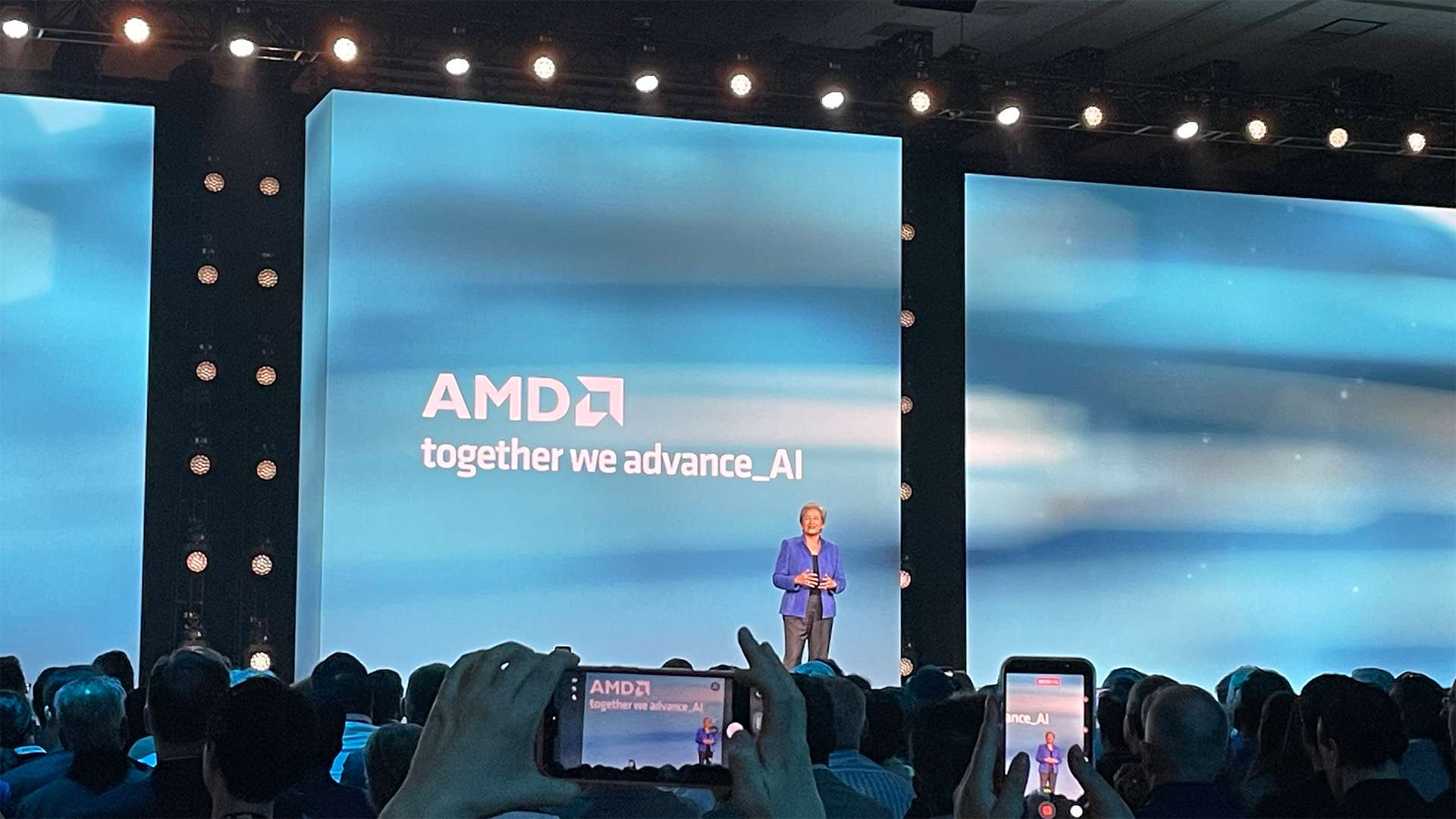
AMD unveiled the Helios rack-scale solution at its 2025 Advancing AI conference. The solution offers an alternative to – and competes with – Nvidia’s Vera Rubin and Grace Blackwell systems.
At the time, Su described the launch of Helios as a “game changer” that’s “purpose built for the most demanding AI workloads”.
A host of major tech providers, including Meta, OpenAI, HPE, and Oracle have since confirmed they’ll deploy the solution in data centers.
The chipmaker will begin shipping Helios to customers in the second half of 2026.
Although exact timelines haven’t been revealed, the collaboration with Microsoft comes just days ahead of AMD’s 2026 Advancing AI conference, in which customers can likely expect real-world examples of the system in action.
ITPro will be live on the ground in San Francisco for AMD’s annual conference this week.
Stay up-to-date with all the news, views, and announcements from the event by following our socials (below) and subscribing to our daily newsletter.
FOLLOW US ON SOCIAL MEDIA
Follow ITPro on Google News and add us as a preferred source to keep tabs on all our latest news, analysis, views, and reviews.
You can also follow ITPro on LinkedIn, X, Facebook, and BlueSky.

Ross Kelly is ITPro's News & Analysis Editor, responsible for leading the brand's news output and in-depth reporting on the latest stories from across the business technology landscape. Ross was previously a Staff Writer, during which time he developed a keen interest in cyber security, business leadership, and emerging technologies.
He graduated from Edinburgh Napier University in 2016 with a BA (Hons) in Journalism, and joined ITPro in 2022 after four years working in technology conference research.
For news pitches, you can contact Ross at ross.kelly@futurenet.com, or on Twitter and LinkedIn.
-
What to expect at AMD Advancing AI 2026Here are three things I expect to hear about at AMD’s annual get together – and one I don’t
-

‘The United Kingdom has the talent, research excellence and ambition to help lead the next era of AI’: AMD chief exec Lisa Su touts UK’s AI potential as firm eyes £2bn investmentNews The deal will see a new AI supercomputer built in Cambridge and partnerships with Imperial College London and Oriole Networks
-
New £45 million supercomputer to support UK fusion researchNews Sunrise is claimed to be the world's most powerful AI supercomputer dedicated to fusion energy, and is set to come into operation within months
-
France is getting its first exascale supercomputer – and it's named after an early French AI pioneerNews The Alice Recoque system will be be France’s first, and Europe’s second, exascale supercomputer
-
The role of the CPU in the AI eraSupported The backbone of enterprise AI, CPUs are the unsung heroes of inference
-
Supercomputing in the real worldSupported From identifying diseases more accurately to simulating climate change and nuclear arsenals, supercomputers are pushing the boundaries of what we thought possible