The AI data center boom is sapping the strength of the Top500

New systems coming online reaches a “historic low”

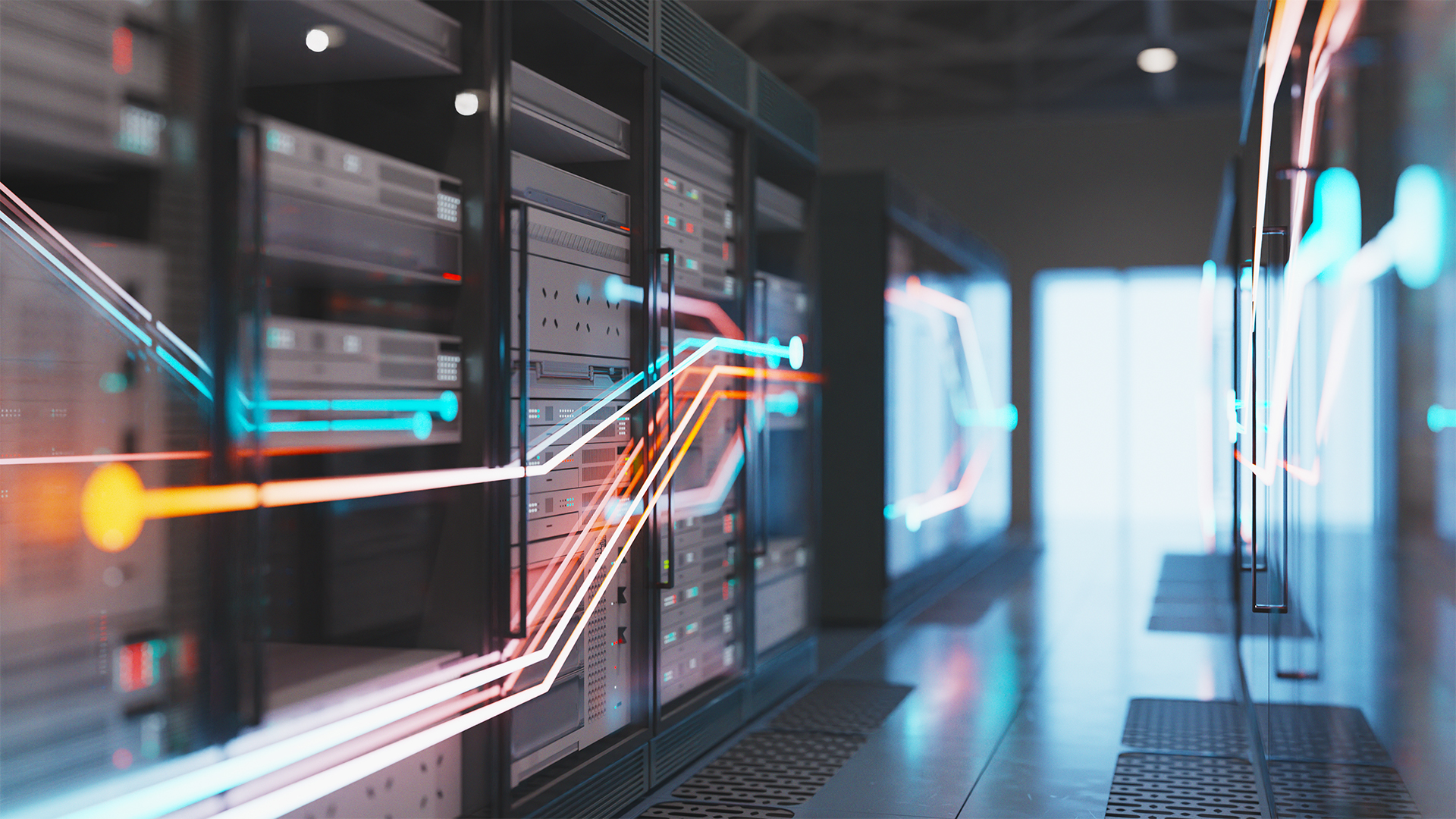
Supercomputer concept image showing server room with open racks and multi-colored data flows running across room.
(Image credit: Getty Images)

The world of supercomputing is feeling the impact of the current hardware shortage as the latest Top500 shows signs of calcification in the wake of the highest performing chips being diverted to AI hyperscalers.

In this 68th edition of the list, not only has there been no movement in the top 10, but there have been no boosts in performance for these systems either.

In the Green500 list of most energy-efficient systems, it’s a similar story. Once again, the KAIROS super computer at CALIMP, which is sited at the University of Toulouse in France, is the leader in this list.

KAIROS is followed by ROMEO-2025, also in France, Levante GPU extension in Germany, Isambard-AI phase 1 in the UK, and Otus (GPU only) in Germany.

Latest Videos FromIT Pro

This is in stark contrast to the June 2026 list, which saw seismic change. Not only was El Capitan – which had held the top spot since November 2024 – dethroned, it was the first time since 2022 that a non-US supercomputer had taken the crown.

It was also the first time in nearly 10 years that a Chinese supercomputer was ranked first.

The latest Top500 list

In the latest Top500 list, the Chinese LineShine supercomputer retains first spot, followed by El Capitan and Frontier.

The full list can be found below.

  1. LineShine
  2. El Capitan
  3. Frontier
  4. Aurora
  5. JUPITER Booster
  6. HPC7
  7. Eagle
  8. HPC6
  9. Supercomputer Fugaku
  10. Alps

A dearth of new supercomputers

There was also a paucity of new systems, with only 27 coming online, or just over 5%. According to Top500, this is “the lowest level of new-system turnover in the history of the list and is well below normal movement between semi-annual editions”.

Of these, South Korean supercomputer HANGANG is the largest, coming in at number 12 on the list.

As the organization points out, though, this isn’t because there’s a slowing in technological progress. Instead, it’s a knock on effect of the AI boom that has seen memory and other components become increasingly hard to acquire as hyperscalers dominate the purchaser market.

Epoch AI, a research company that tracks AI trends, reported in February 2026 that the aggregate computing power of AI chips sold each quarter was growing 2.5x a year.

In November 2026, the organization’s analysis showed that the biggest known AI data centers in the world use the equivalent of 15.8 million Nvidia H100 GPUs total to power their compute.

The two biggest sites of the 96 it tracks, SpaceX’s Colossus 2 and OpenAI Stargate Abilene, use 2,120,369 H100-equivalents alone.

“As of the fourth quarter of 2025,” said Top 500, “five major US hyperscalers owned an estimated 71% of global AI compute and deployed much of this capacity in mega-clusters often described as AI factories. This suggests that growth has indeed shifted toward AI factories, and from capability systems to capacity systems.”

“Taken together, the November results describe a mature phase in the current deployment cycle: leadership is stable, the number of newcomers is exceptionally low, and the most visible progress is occurring deeper in the list,” Top500 said. “The next shift at the top will therefore depend on when the next generation of large systems and energy-efficient technologies is ready to report.”

FOLLOW US ON SOCIAL MEDIA

Follow ITPro on Google News and add us as a preferred source to keep tabs on all our latest news, analysis, views, and reviews.

You can also follow ITPro on LinkedIn, X, Facebook, and BlueSky.

Jane McCallion
Managing Editor

Jane McCallion is Managing Editor of ITPro and ChannelPro, specializing in data centers, enterprise IT infrastructure, and cybersecurity. Before becoming Managing Editor, she held the role of Deputy Editor and, prior to that, Features Editor, managing a pool of freelance and internal writers, while continuing to specialize in enterprise IT infrastructure, and business strategy.

Prior to joining ITPro, Jane was a freelance business journalist writing as both Jane McCallion and Jane Bordenave for titles such as European CEO, World Finance, and Business Excellence Magazine.