Dawn, one of the UK’s most powerful supercomputers, is about to get a huge performance boost thanks to AMD
The Dawn supercomputer in Cambridge will be powered with AMD MI355X accelerators


-
 Modernizing IT Infrastructure for Midsize Organizations: Simple Strategies for Resilience and AI Readiness
Webinar How to balance daily operations with practical AI, hardware security, and cloud-smart control
-
 UK SMBs are the most vulnerable to cyber attacks
News Organizations cite delayed growth and expansion plans, financial damage and missed business opportunities


-
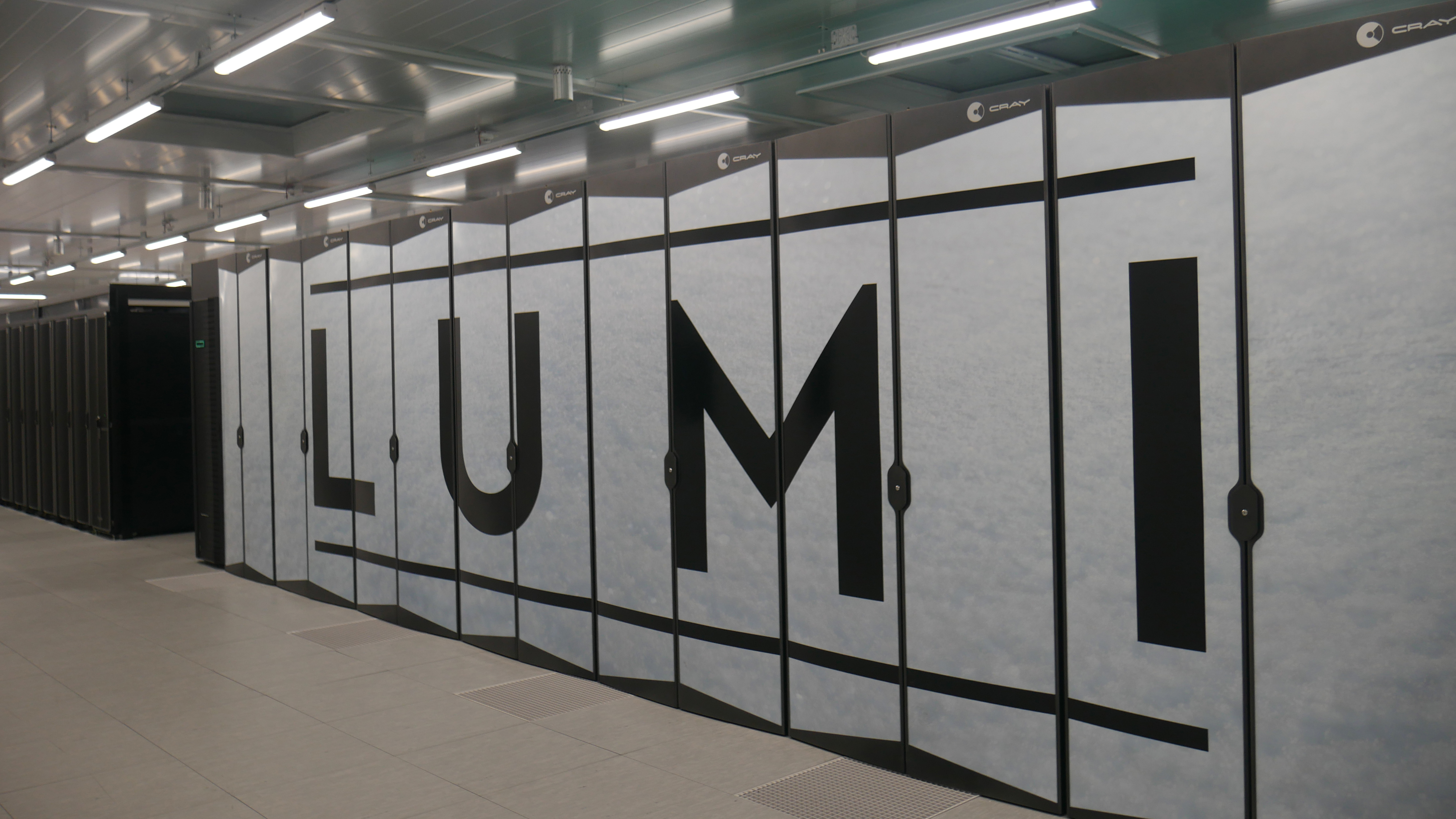 EuroHPC selects Bull to lead €387m Lumi-AI supercomputer contract
News The announcement marks the first major deal for Bull since it was renationalized by the French government
-
 Is the Top500 meaningless? Not so, says US national laboratory CTO
In-depth LINPACK may measure only one process, but there are real and meaningful use cases for exascale systems
-
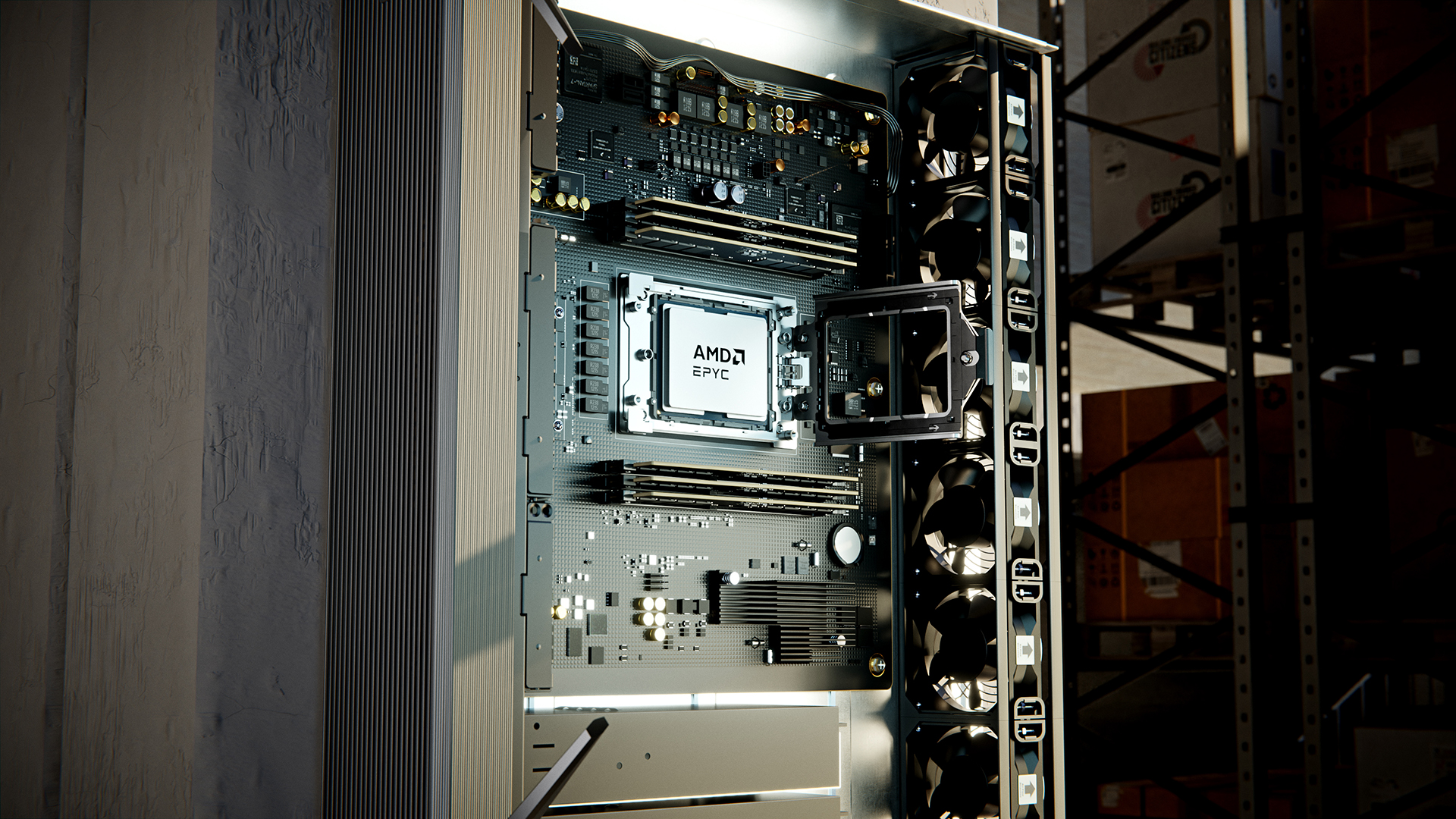 How AMD EPYC CPUs and AMD Instinct GPUs are powering the world's HPC facilities
Sponsored AMD offers powerful chipsets for AI and traditional HPC workloads, including native FP64 support
-
 A Chinese supercomputer just secured first place on the Top500 list for the first time since 2017: Here’s everything we know about LineShine
News The Shenzhen-based LineShine supercomputer pushes El Capitan and co further down the rankings
-
 New £45 million supercomputer to support UK fusion research
News Sunrise is claimed to be the world's most powerful AI supercomputer dedicated to fusion energy, and is set to come into operation within months
-
 Four national compute resources launched for cutting-edge science and research
News The new national compute centers will receive a total of £76 million in funding
-
 France is getting its first exascale supercomputer – and it's named after an early French AI pioneer
News The Alice Recoque system will be be France’s first, and Europe’s second, exascale supercomputer
-
 Nvidia just announced new supercomputers and an open AI model family for science at SC 2025
News The chipmaker is building out its ecosystem for scientific HPC, even as it doubles down on AI factories


