Google staff demand firm cancels police contracts
The letter to Alphabet CEO Sundar Pichai had been signed by at least 1,666 employees
A growing number of Google employees have signed a letter to parent company Alphabet demanding that it ceases all technology sales to US police departments, following weeks of protests against racially-motivated police brutality.
According to TechCrunch, the letter to Alphabet CEO Sundar Pichai has been signed by at least 1,666 employees.
Google has openly discussed how its G Suite is used by the Clarkstown Police Department in the state of New York in order to “share information and digital evidence”. The tech giant is also known to fund police departments through private donations as well as invest in startups developing artificial intelligence (AI) technology for the police and military.
In the internal letter, seen by TechCrunch, Google employees wrote that they are “disappointed to know that Google is still selling to police forces, and advertises its connection with police forces as somehow progressive, and seeks more expansive sales rather than severing ties with police and joining the millions who want to defang and defund these institutions.
“Why help the institutions responsible for the knee on George Floyd’s neck to be more effective organizationally? Not only that, but the same Clarkstown police force being advertised by Google as a success story has been sued multiple times for illegal surveillance of Black Lives Matter organizers.”
Google issued a statement announcing that it is reviewing more than 500 product suggestions made by its staff in recent weeks.
“We're committed to work that makes a meaningful difference to combat systemic racism,” a Google spokesperson told IT Pro over email.
Sign up today and you will receive a free copy of our Future Focus 2026 report - the leading resource for IT decision-maker insight on priorities and investment areas in AI, security and more.
“On this one, we were the first major company to decide, years ago, to not make general purpose facial recognition commercially available and we have very clear AI Principles that prohibit its use or sale for surveillance. We have long standing terms of use for generally available computing platforms like Gmail, G Suite and Google Cloud Platform, and these products will remain available for governments and local authorities, including police departments, to use.”
Earlier this month, Amazon, Microsoft, and IBM announced that they would be pausing or ceasing sales of facial recognition technology to US police departments, a decision which was welcomed by the American Civil Liberties Union.
Having only graduated from City University in 2019, Sabina has already demonstrated her abilities as a keen writer and effective journalist. Currently a content writer for Drapers, Sabina spent a number of years writing for ITPro, specialising in networking and telecommunications, as well as charting the efforts of technology companies to improve their inclusion and diversity strategies, a topic close to her heart.
Sabina has also held a number of editorial roles at Harper's Bazaar, Cube Collective, and HighClouds.
-
TfL takes Oyster photocard systems offline following breachNews Security experts warn the Oyster photocard breach could lead to follow-up attacks on victims
-

Irish credit unions hit by data breach after IT provider compromisedNews Wellington IT reportedly delayed alerting customers by multiple weeks
-
Ukraine given access to Clearview AI's controversial facial recognition techNews The tech will be used to recognise Russian soldiers, tackle misinformation, and identify the deceased
-

Aldi launches its first checkout-free store in LondonNews The store uses facial age estimation technology provided by Yoti to verify the purchase of age-restricted products
-

EU privacy watchdogs call for facial recognition ban in public spacesNews The EDPB and EDPS claim a ban is needed if we want to preserve our freedoms and create a human-centric legal framework for AI
-

EU proposes strict regulations to curb AI misuseNews The draft regulations call for the use of systems that allow ‘social scoring' by governments to be banned
-

AI should include 'undesirable side effect' warnings, claims PwCNews Maria Luciana Axente says data scientists should respond to an ethical code just like medical practitioners
-
Petition urges EU regulators to ban biometric mass surveillanceNews Digital rights advocates say tools such as facial recognition bring 'internet-style omnipresent tracking to the offline world'
-
Why deepfakes could threaten everything from biometrics to democracyIn-depth Deepfake technology has been rated the most serious AI crime threat, but there are ways to fight back
-
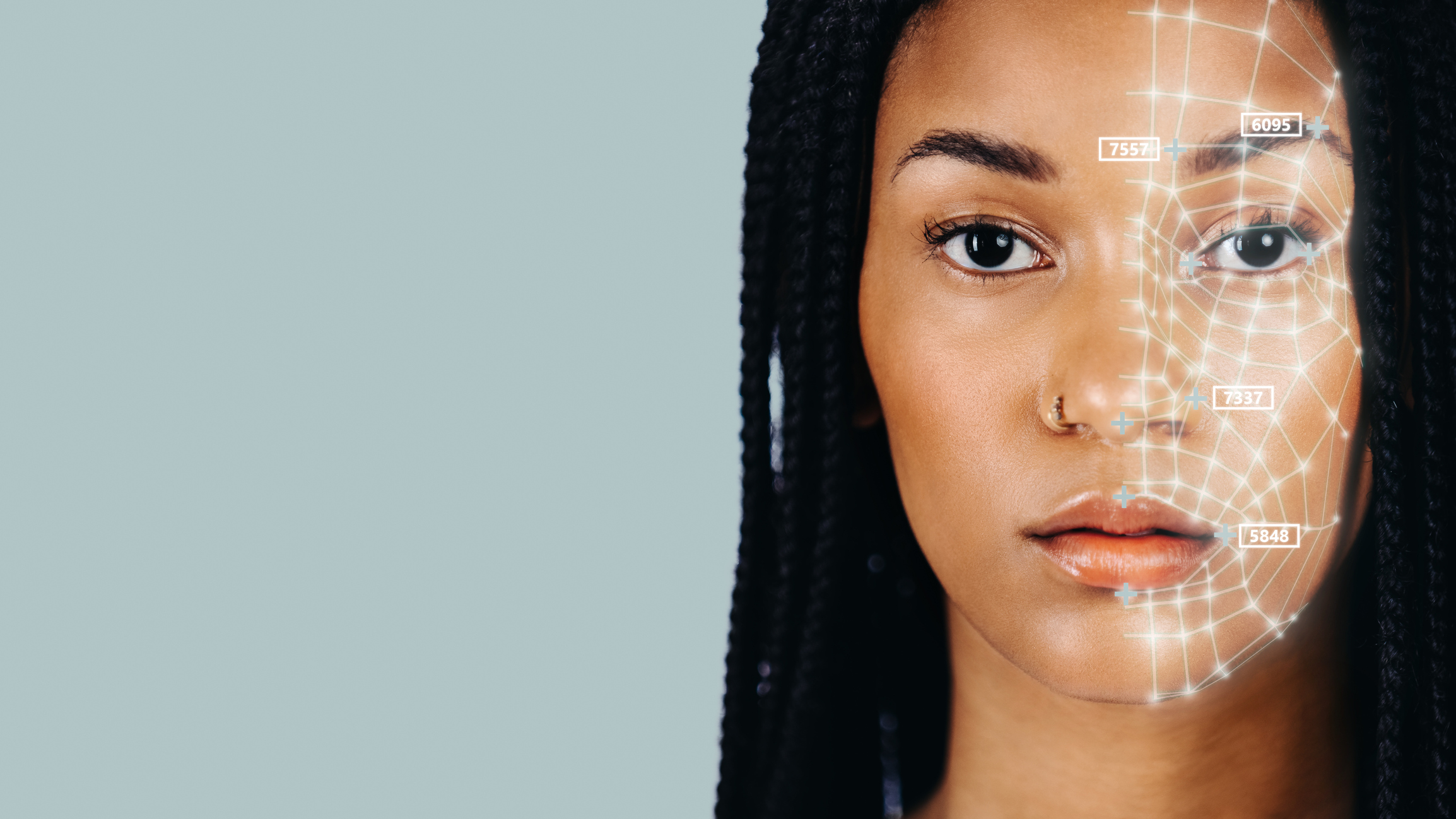
The pros and cons of facial recognition technologyIn-depth There are plenty of pros and cons of facial recognition technology, but is it really worth risking user privacy in the name of efficiency and security?