Cyber budget cuts are slowing down, but that doesn't mean there's light on the horizon for security teams
A new ISC2 survey indicates that both layoffs and budget cuts are on the decline


-
 A spate of cyber attacks has rocked Japan
News With over 100 cyber attacks impacting major sectors this year, Japan’s ruling party is calling for an emergency taskforce to strengthen AI defenses
-
 Top takeaways: The AI tokenomics challenge
Feature Why invisible metering, compounding agentic workflows, and production scale turn enterprise AI into an open tab – and how leaders can govern for measurable value


-
 ‘Every hour ransomware goes undetected drastically increases its potential blast radius’: Hackers are breaching networks and laying low for longer – and nearly half of firms don’t realize until data is stolen
News An ExtraHop survey found more intrusions are going undetected, leading to longer dwell times
-
 ‘We’re not investing as much as we should in their skills and development’: Skills shortages remain a key factor in security breaches — and things could get worse with AI in the equation
News Skills capabilities remain a key factor in security breaches, according to a new study
-
 Pay up or expect attrition: 77% of cyber professionals missed out on pay rises last year – and almost half now plan to switch roles
News Organizations are overlooking cyber pros when it comes to pay increases, and it could cost them dearly
-
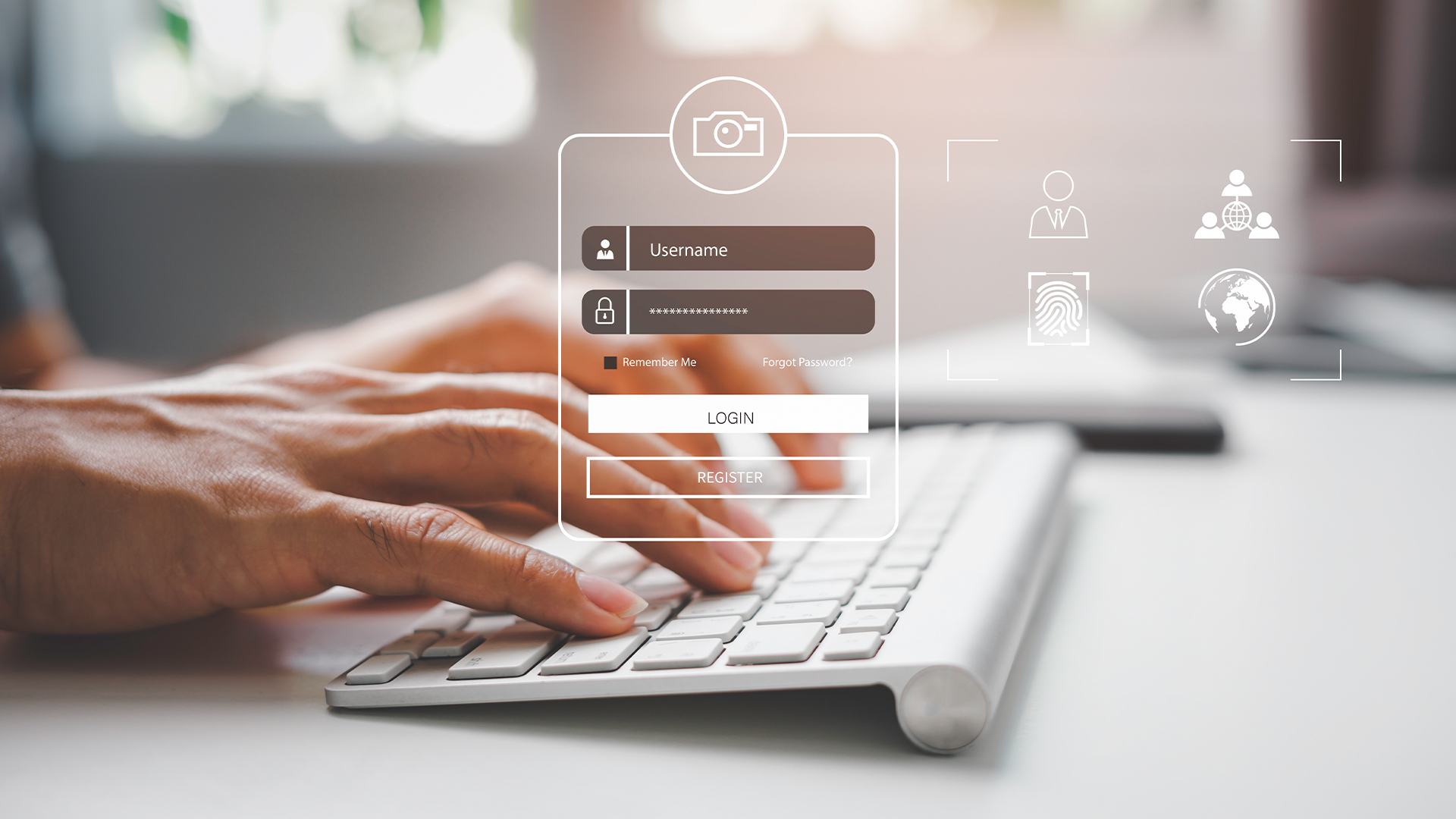 Using AI to generate passwords is a terrible idea, experts warn
News Researchers have warned the use of AI-generated passwords puts users and businesses at risk
-
 Researchers called on LastPass, Dashlane, and Bitwarden to up defenses after severe flaws put 60 million users at risk – here’s how each company responded
News Analysts at ETH Zurich called for cryptographic standard improvements after a host of password managers were found lacking
-
 ‘They are able to move fast now’: AI is expanding attack surfaces – and hackers are looking to reap the same rewards as enterprises with the technology
News Potent new malware strains, faster attack times, and the rise of shadow AI are causing havoc
-
 Ransomware gangs are using employee monitoring software as a springboard for cyber attacks
News Two attempted attacks aimed to exploit Net Monitor for Employees Professional and SimpleHelp
-
 Notepad++ hackers remained undetected and pushed malicious updates for six months – here’s who’s responsible, how they did it, and how to check if you’ve been affected
News Hackers remained undetected for months and distributed malicious updates to Notepad++ users after breaching the text editor software – here's how to check if you've been affected.


