The FBI has seized the RAMP hacking forum, but will the takedown stick? History tells us otherwise
Billing itself as the “only place ransomware allowed", RAMP catered mainly for Russian-speaking cyber criminals


-
 Dreamforce 2026 showed AI safety is the new big tech battleground
News Differing outlooks on AI safety risks have become clear as leading tech figures hit an impasse on responsible development
-
 Marc Benioff and Jensen Huang aren’t sold on the ‘SaaSpocalypse’
News Reports on the death of SaaS has been greatly exaggerated, according to the Nvidia and Salesforce chiefs – but big changes are still looming for software providers


-
 Companies are still paying ransoms to cyber criminals despite official advice
News A Proofpoint survey found evolving ransomware techniques and the use of AI is exacerbating the situation for victims
-
 This one cyber crime group accounted for nearly a fifth of all ransomware attacks in June
News The Gentlemen, a ransomware a service operator, now accounts for 17% of published attacks
-
 Working with the enemy: Ransomware negotiator-turned cyber criminal jailed after working with hackers to extort clients
News Angelo Martino was supposed to be negotiating on behalf of victims, but was secretly working for ransomware operators
-
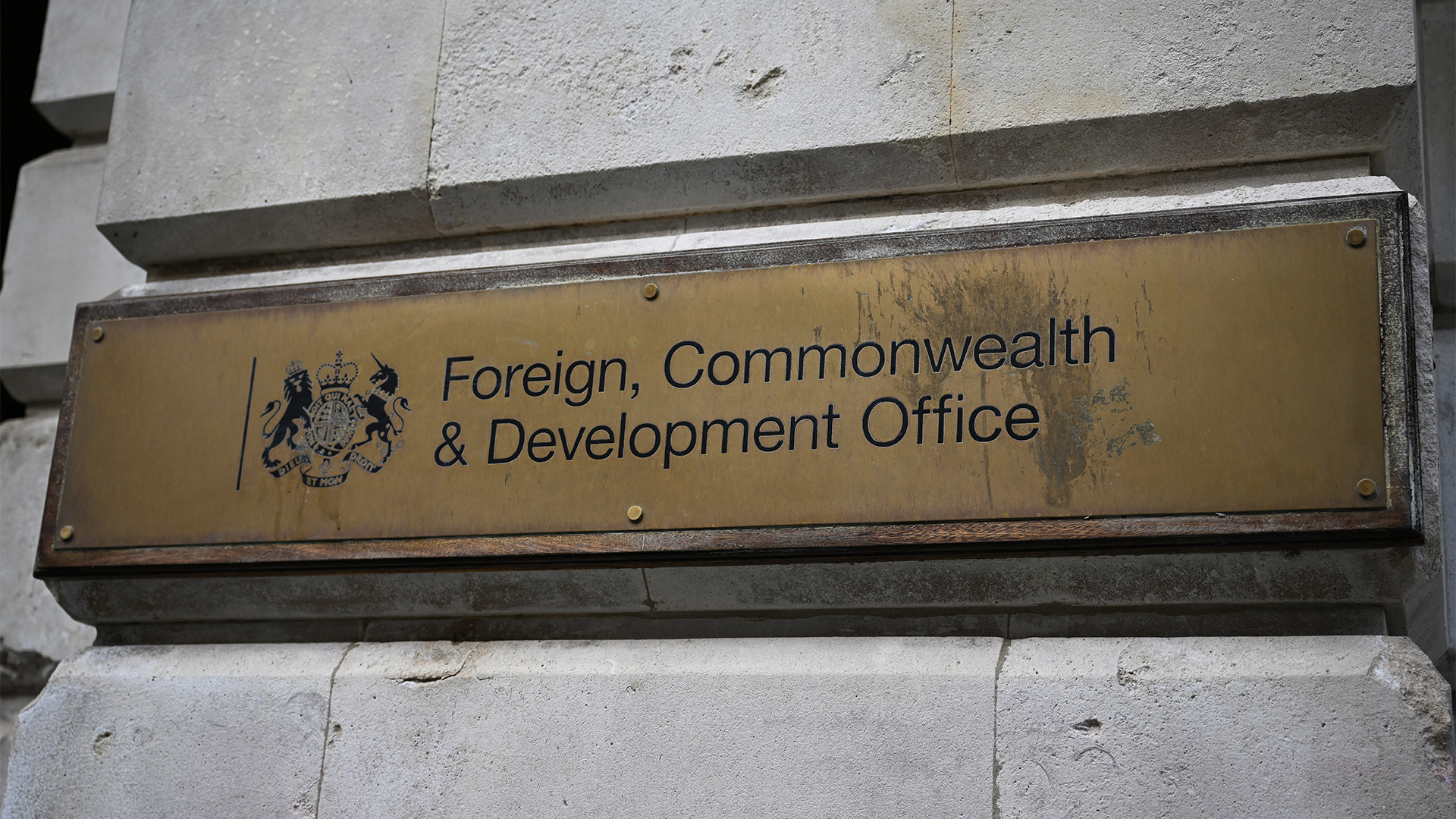 ‘The risk to every organization has increased exponentially’: The FortiBleed campaign just took a turn for the worse
News Reports suggest that FortiBleed-linked exposed credentials could put UK government and public services at huge risk
-
 Hackers are posing as Interpol to target small businesses – here's what you need to know
News Small businesses are warned to think twice before clicking on links
-
 ‘Every hour ransomware goes undetected drastically increases its potential blast radius’: Hackers are breaching networks and laying low for longer – and nearly half of firms don’t realize until data is stolen
News An ExtraHop survey found more intrusions are going undetected, leading to longer dwell times
-
 US offers $10m bounty for info on Russia-linked hackers behind Signal and WhatsApp attacks
News UNC5792 and UNC4221 have been targeting government officials through their Signal and WhatsApp accounts
-
 Duo accused of role in TfL cyber attack plead guilty after ‘lengthy, highly complex, and painstaking investigation’
News Around 10 million people are believed to have been affected by the TfL cyber attack


