The rise of teen hackers ‘makes for a good headline’, but cyber crime activities peak later in life
With family responsibilities and mortgages to pay, it's not teenagers dishing out malware or carrying out cyber extortion


-
 A spate of cyber attacks has rocked Japan
News With over 100 cyber attacks impacting major sectors this year, Japan’s ruling party is calling for an emergency taskforce to strengthen AI defenses
-
 Top takeaways: The AI tokenomics challenge
Feature Why invisible metering, compounding agentic workflows, and production scale turn enterprise AI into an open tab – and how leaders can govern for measurable value


-
 ‘Rising threats and under-resourcing for cybersecurity is taking a toll on the people tasked with managing it’: Cyber teams are being pushed to breaking point – and AI is doing little to alleviate strain
News An increasingly perilous threat landscape and lack of funding means cyber teams are being stretched too thin
-
 ‘Cyber criminal groups suffer from the same security weaknesses they routinely exploit’: ShinyHunters claims it hacked Clop ransomware rival
News An attack on the cyber crime gang could prove dangerous for previous victims of data leaks, experts have warned
-
 Expired domains are a goldmine for hackers – and some cyber crime groups are investing millions in 'dropcatch' scams to deliver malware
News Tens of thousands of so-called 'dropcatch' domains are being registered every day
-
 NCSC issues alert over 'zero-click' phishing campaign hitting enterprises
News Ukrainian organizations were used to test new zero-click techniques employed by Russian hackers
-
 Companies are still paying ransoms to cyber criminals despite official advice
News A Proofpoint survey found evolving ransomware techniques and the use of AI is exacerbating the situation for victims
-
 This one cyber crime group accounted for nearly a fifth of all ransomware attacks in June
News The Gentlemen, a ransomware a service operator, now accounts for 17% of published attacks
-
 Working with the enemy: Ransomware negotiator-turned cyber criminal jailed after working with hackers to extort clients
News Angelo Martino was supposed to be negotiating on behalf of victims, but was secretly working for ransomware operators
-
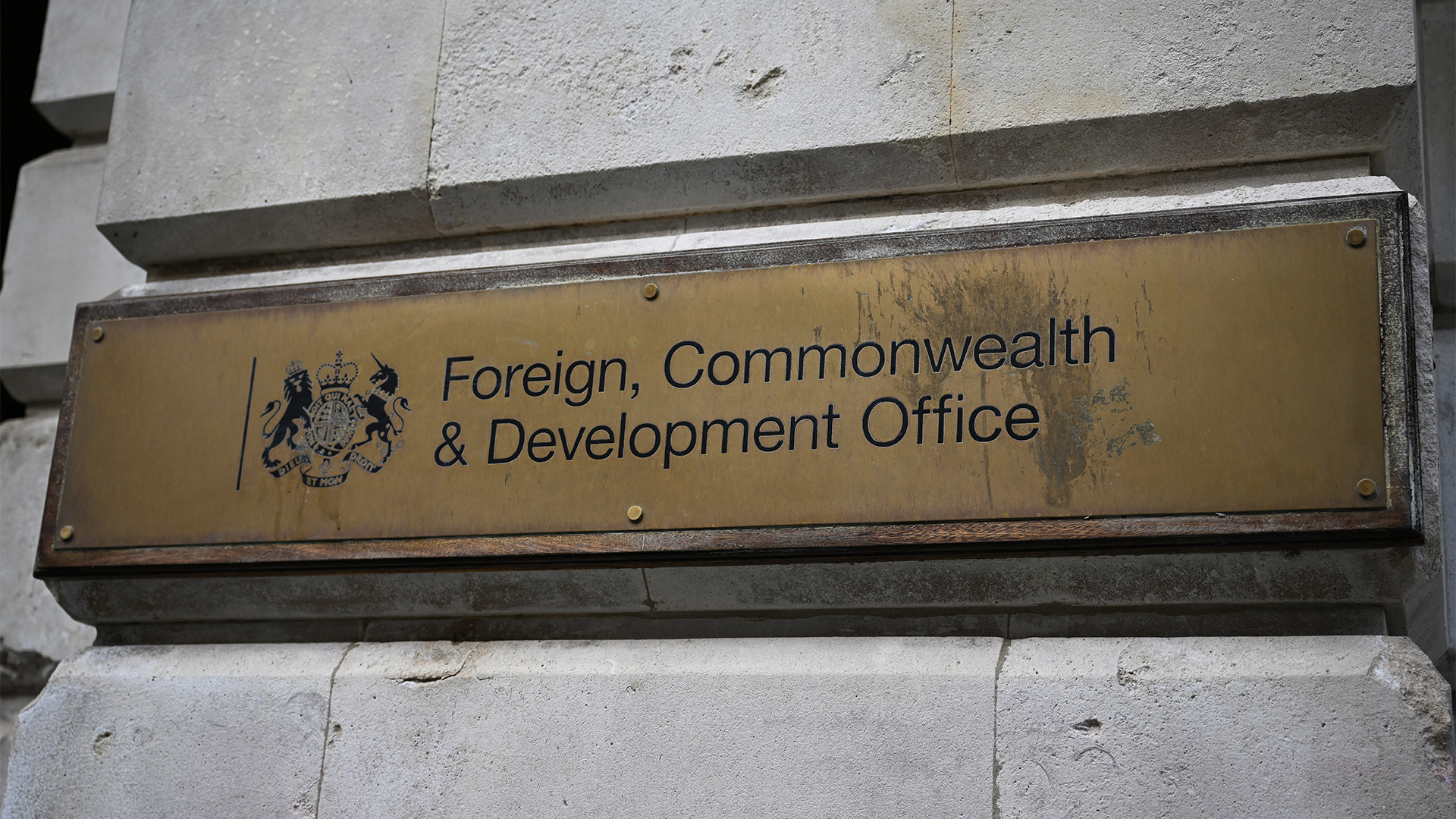 ‘The risk to every organization has increased exponentially’: The FortiBleed campaign just took a turn for the worse
News Reports suggest that FortiBleed-linked exposed credentials could put UK government and public services at huge risk


