DIY hackers are turning to ‘flat-pack’ malware components to speed up attacks and cut costs
While these malware campaigns are very basic, researchers noted “they still work”


-
 Zoom’s new features want to bridge glaring business context gaps
News New tools aim to “turn conversations into completed work”, according to Zoom CEO Eric Yuan
-
 UK government urged to take stakes in publicly-funded tech firms.
News A parliamentary committee claims UKRI is failing to give taxpayers value for money


-
 Expired domains are a goldmine for hackers – and some cyber crime groups are investing millions in 'dropcatch' scams to deliver malware
News Tens of thousands of so-called 'dropcatch' domains are being registered every day
-
 NCSC issues alert over 'zero-click' phishing campaign hitting enterprises
News Ukrainian organizations were used to test new zero-click techniques employed by Russian hackers
-
 Working with the enemy: Ransomware negotiator-turned cyber criminal jailed after working with hackers to extort clients
News Angelo Martino was supposed to be negotiating on behalf of victims, but was secretly working for ransomware operators
-
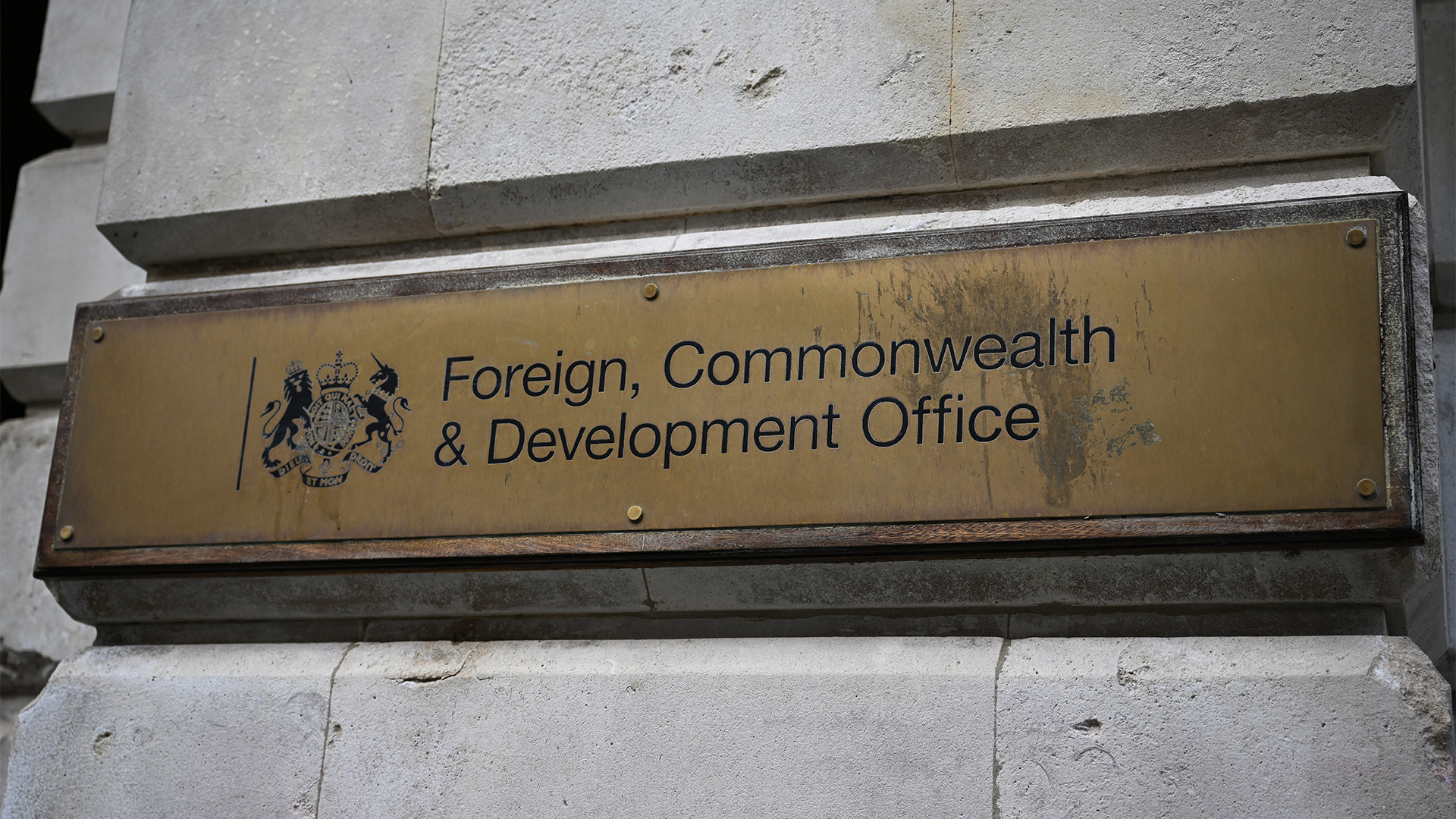 ‘The risk to every organization has increased exponentially’: The FortiBleed campaign just took a turn for the worse
News Reports suggest that FortiBleed-linked exposed credentials could put UK government and public services at huge risk
-
 Hackers are posing as Interpol to target small businesses – here's what you need to know
News Small businesses are warned to think twice before clicking on links
-
 Opera browser thinks it has the solution to stopping ClickFix malware attacks
News The browser company is targeting a growing source of malicious links with its new Paste Protect feature
-
 US offers $10m bounty for info on Russia-linked hackers behind Signal and WhatsApp attacks
News UNC5792 and UNC4221 have been targeting government officials through their Signal and WhatsApp accounts
-
 ‘Hacking groups have the transport network firmly in their sights’: Network Rail is battling a torrent of cyber threats
News FoI requests have revealed that the rail operator is under increasing attack, as cyber criminals set their sights on the transport sector


