Google just launched a new Gemini-powered dark web monitoring service
A new AI-powered dark web monitoring service looks to give enterprises more "reasoned answers" and deeper insights


-
 How resellers can turn hybrid meeting pain into repeatable revenue
Industry Insights Reliable technology turns hybrid work frustrations into recurring reseller revenue opportunities
-
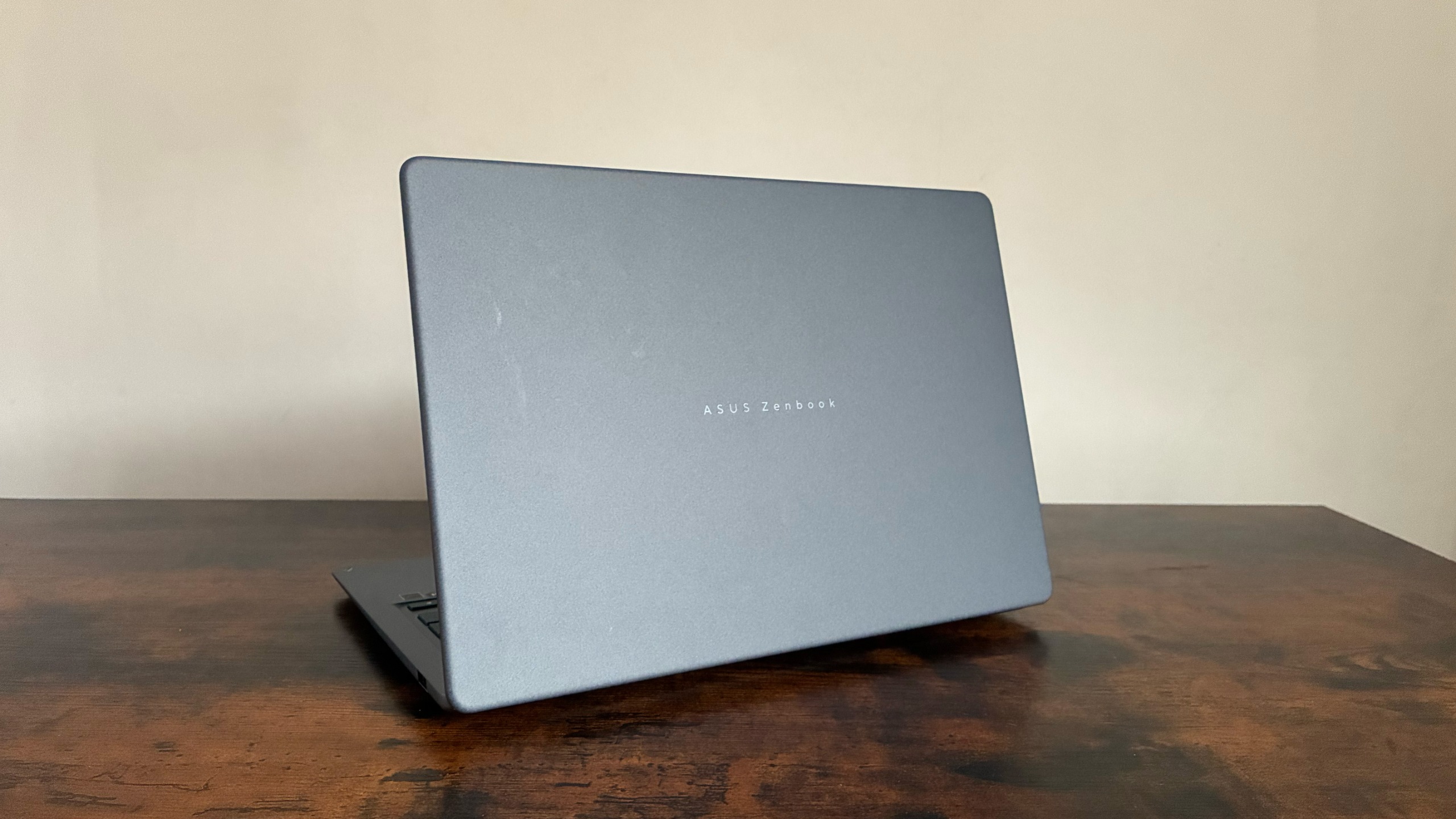 Asus Zenbook 14 (Snapdragon X UX3480Q) review
Reviews Poor battery performance and an older Snapdragon chip, but still a good choice for the office


-
 ‘We can assume that all threat actors are using AI in some capacity’: Cyber researchers warn hackers are ramping up automated attacks
News Google Threat Intelligence Group has issued a warning over the increased threats posed by hackers using agentic AI tools
-
 Google says AI is now being used to build zero-days – and we just narrowly avoided a 'mass exploitation event'
News Google cyber researchers think they’ve found the first AI-generated zero-day exploit
-
 Google just revised its ‘Q-Day’ timeline: Quantum computers could break existing encryption techniques within three years – and enterprises are nowhere near ready
News Google has warned that “Q-Day”, the point where a quantum computer is powerful enough to crack current encryption techniques, could come as soon as 2029.
-
 Flaw in Chrome’s Gemini Live gave attackers access to user cameras and microphones
News The in-browser AI assistant loads differently in the side panel, rather than a regular tab, exposing users to risks
-
 Former Google engineer convicted of economic espionage after stealing thousands of secret AI, supercomputing documents
News Linwei Ding told Chinese investors he could build a world-class supercomputer
-
 Everything you need to know about Google and Apple’s emergency zero-day patches
News A serious zero-day bug was spotted in Chrome systems that impacts Apple users too, forcing both companies to issue emergency patches
-
 Google wants to take hackers to court
News You don't have a package waiting for you, it's a scam – and Google is fighting back
-
 Google says reports of a 'huge' Gmail breach affecting millions of users are false, again
News Reports of a major Gmail affecting millions of users have been flooding the web this week – Google says they're "false" and you've nothing to worry about.


