UK ransomware attacks surged 80% in latest quarter
Check Point's findings show that hackers continue to take advantage of mass remote working

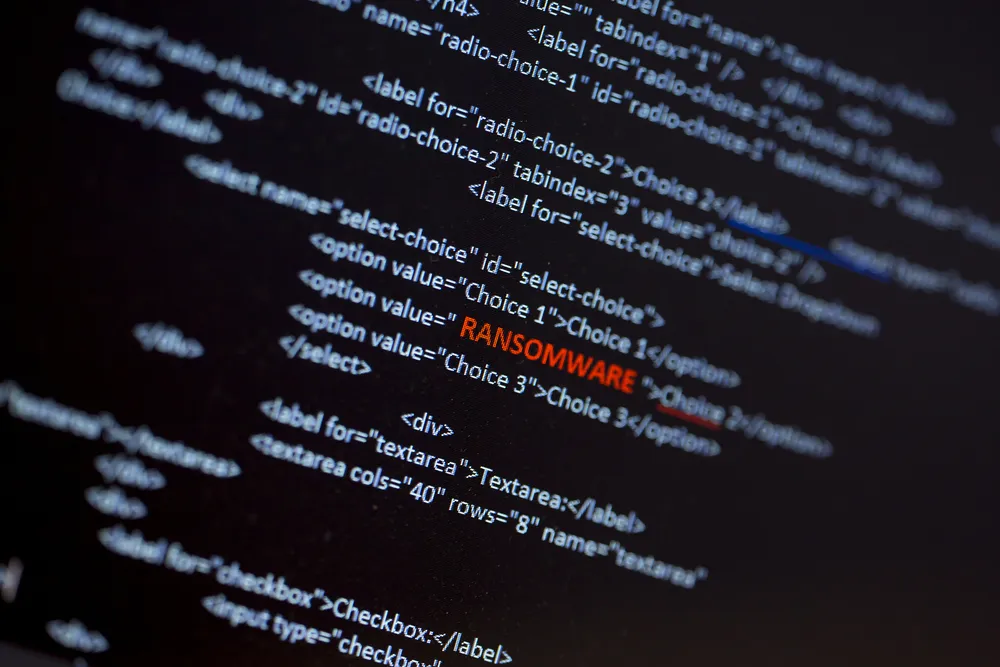
Ransomware attacks in the UK increased by 80% in the last three months as hackers continue to take advantage of mass remote working, according to security researchers at Check Point.
The findings show that the daily global average of ransomware attacks jumped 50% in last 3 months, compared to first half of 2020.
Countries with the most notable increase in ransomware attacks were the US (98.1%), where the most often targeted sector was healthcare, as well as Germany (145%), Spain (160%), and Sri Lanka, which saw attacks skyrocketed by 436%.
Canon hit by suspected Maze ransomware attack The most popular ransomware strains targeting UK businesses IBM: Ransomware incidents "exploded" in June
The most often used ransomware strains in the last three months were found to be Maze and Ryuk. According to Check Point, the latter now attacks an average of 20 organisations a week.
Check Point’s head of Threat Intelligence Lotem Finkelsteen said that ransomware is “breaking records in 2020”.
“The increase in ransomware attacks began with the advent of the coronavirus pandemic, as organizations scrambled to enact remote workforces, leaving significant gaps in their IT systems.
"However, the last three months alone have shown alarming surges in ransomware attacks, and I suspect the ransomware threat to get far more worse as we approach the new year,” he said, urging organisations “to be extra vigilant”.
According to Finkelsteen, the most significant drivers behind the recent surge in attacks are the victims’ willingness to pay, as well as the rise in increasingly sophisticated attacks, such as Double Extortion and the Emotet malware, which recently made a comeback after five month of absence.
Last week, the US Treasury warned that companies that agree to hand over cash to hackers to free their systems from ransomware may face prosecution or penalties.
RELATED RESOURCE
The advisory cited cyber attacks that were linked to hacking groups from North Korea and Russia, which are both nations sanctioned by the US. The US government often imposes economic and trade sanctions on countries that it deems sponsors terrorism or that violate human rights.
In order to ensure an organisations safety, Check Point’s security researchers recommended taking additional precautions, such as educating employees on how to identify and avoid potential ransomware attacks, ensuring that all systems have the latest patches applied, and maintaining regular backups of data.

-
 Gartner: here's how AI will remake business in the next three years
News You've got three years to prep for these new attacks and challenges thanks to AI, says Gartner
-
 Two-thirds of cyber threats still require manual resolution
News Security teams are spending most of their time on reactive alert triage and manual data gathering, with little left over for proactive threat hunting


-
 Companies are still paying ransoms to cyber criminals despite official advice
News A Proofpoint survey found evolving ransomware techniques and the use of AI is exacerbating the situation for victims
-
 This one cyber crime group accounted for nearly a fifth of all ransomware attacks in June
News The Gentlemen, a ransomware a service operator, now accounts for 17% of published attacks
-
 Working with the enemy: Ransomware negotiator-turned cyber criminal jailed after working with hackers to extort clients
News Angelo Martino was supposed to be negotiating on behalf of victims, but was secretly working for ransomware operators
-
 Hackers are posing as Interpol to target small businesses – here's what you need to know
News Small businesses are warned to think twice before clicking on links
-
 ‘Every hour ransomware goes undetected drastically increases its potential blast radius’: Hackers are breaching networks and laying low for longer – and nearly half of firms don’t realize until data is stolen
News An ExtraHop survey found more intrusions are going undetected, leading to longer dwell times
-
 Ransomware cartels are fragmenting into volatile splinter groups, warns Met Police cyber chief
News Commoditized "cyber crime bazaars" and AI data mining are forcing law enforcement to rewrite its playbook
-
 New ransomware threat group, The Gentlemen, has become one of the most active ransomware operators, accounting for 10% of all attacks
News NTT researchers warn that the RaaS group is leveraging SystemBC malware to establish covert tunnelling, evade detection, and support rapid lateral movement across enterprise environments
-
 Instructure chose to a pay ransom following the Canvas cyber attack – research shows more than half of security leaders would follow suit
Analysis Opting to pay ransoms creates huge risks for enterprises – you’re relying on the word of criminals


