
With embattled Chinese telecoms giant Huawei starting a pivot from hardware to software and cloud services, its founder is calling on the company to "dare to lead the world" in software development and exclude the US from the rest of the world.
Huawei's smartphone business is struggling due to US sanctions the Trump administration installed and the Biden administration extended.
The US sanctions on Chinese firms have impacted no company more than Huawei. The US labelled the telecoms giant as a security threat based on perceived ties with the Chinese government. The concern is China will use Huawei's telecommunications business for surveillance, but the legislation has instead impacted Huawei's smartphone business more than anything else.
In a sign that Huawei wants to shift its business model away from hardware, the tech giant recently announced it's launching six new cloud products to take on the likes of Alibaba, Amazon, and Google. The newly announced cloud products, including containers, artificial intelligence (AI) programming assistants, databases, computing services, and infrastructure software, were revealed at the company's three-day developer conference in Shenzhen.
Now, in the latest sign of the company's massive shift to software, Huawei founder Ren Zhengfei told company staffers in an internal memo that Huawei will focus more on software development because that industry's future is "outside of US control and we will have greater independence and autonomy," Reuters reported.
RELATED RESOURCE

Humanising customer experience through technology
How to win and maintain customer trust
Because of Huawei's ongoing difficulties with the US, Ren urged the company to strengthen its position at home and build up its territory to the point where it could exclude the United States. "Once we dominate Europe, the Asia Pacific and Africa, if US standards don't match ours, and we can't enter the US, then the US can't enter our territory," Ren's memo said.
Because it'll be difficult for Huawei to design and produce advanced hardware in the short term, Ren's memo suggested the company focus on building software ecosystems, such as its HarmonyOS operating system and Mindspore cloud AI system.
Huawei recently announced a $200 million investment in its developer program, which aims to boost its software ecosystem and cloud services.
-
 A spate of cyber attacks has rocked Japan
News With over 100 cyber attacks impacting major sectors this year, Japan’s ruling party is calling for an emergency taskforce to strengthen AI defenses
-
 Top takeaways: The AI tokenomics challenge
Feature Why invisible metering, compounding agentic workflows, and production scale turn enterprise AI into an open tab – and how leaders can govern for measurable value


-
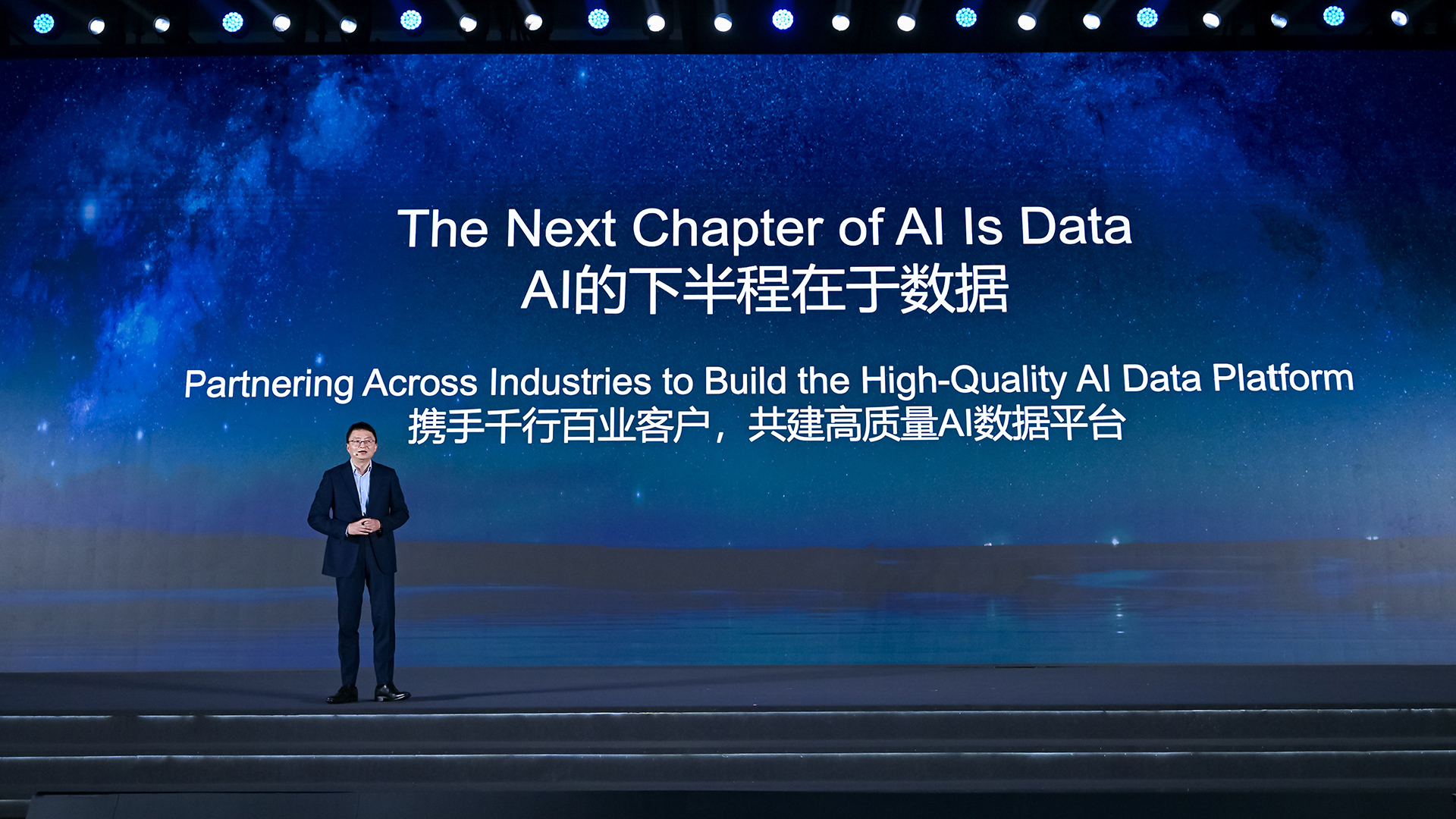 Enterprise AI is moving beyond training; infrastructure needs to support this evolution
Storage and other data center infrastructure form the heart of business transformation, but not all solutions are up to the job
-
 Huawei is positioning itself as a viable alternative to big US tech companies. Can it pull it off?
Opinion With Nvidia and AMD excluded from the Chinese AI market, Huawei is building a powerful reputation at home and abroad
-
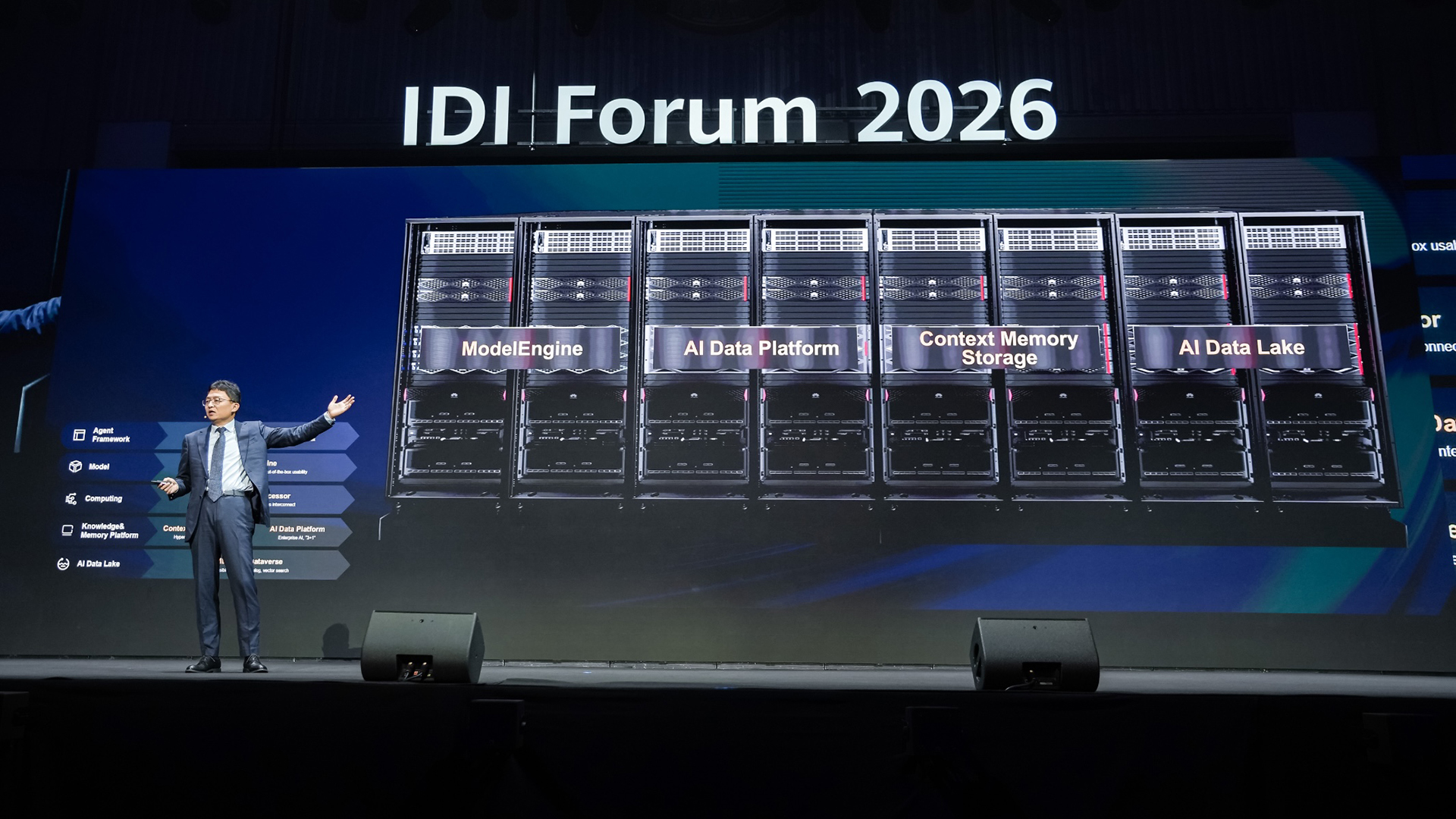 AI Data Lake 2.0: how one-stop data-ready infrastructure accelerates high-quality data supply
How Huawei’s AI data lake solutions generate value across industries
-
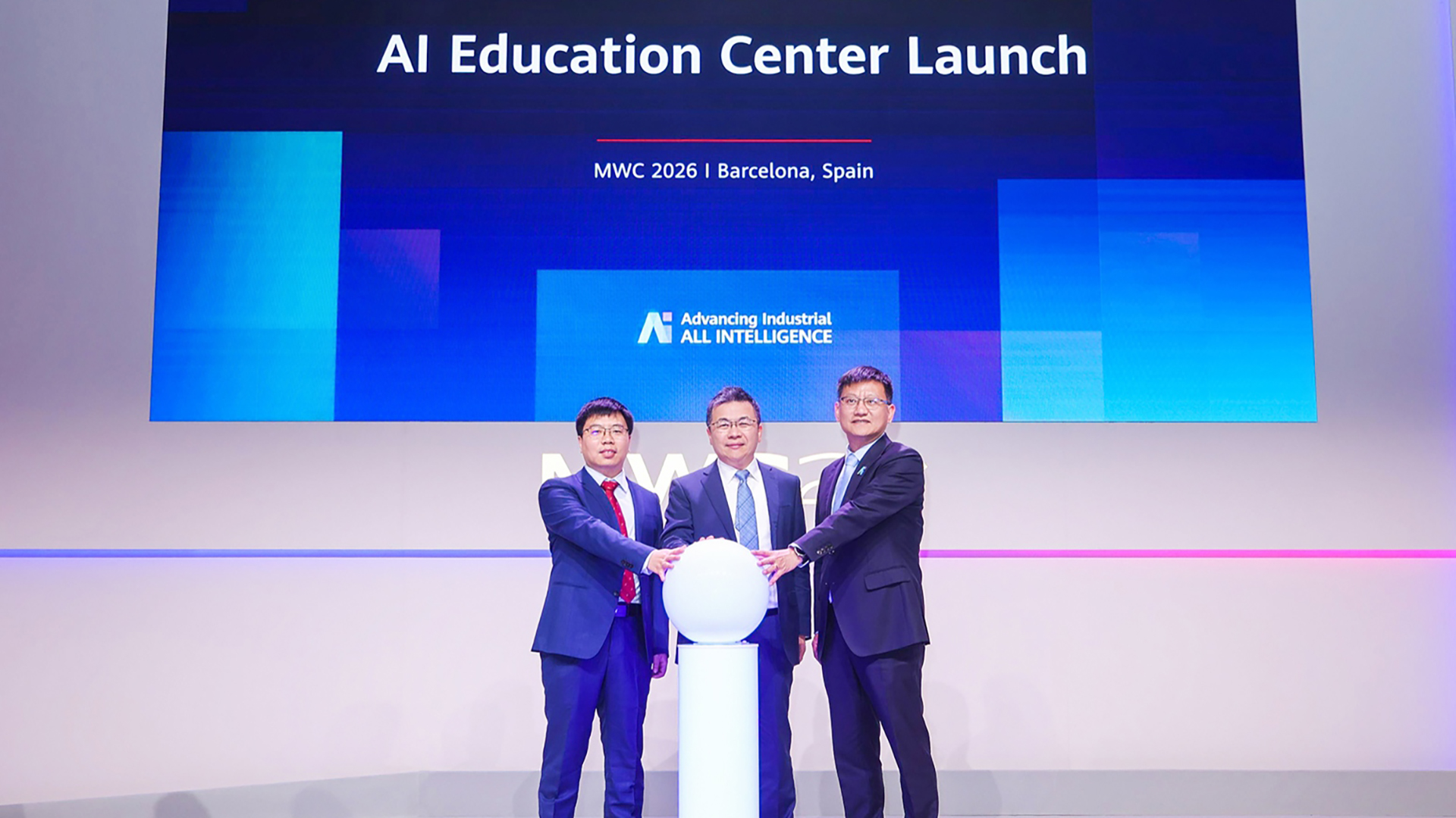 How practical-based learning for AI can close the digital skills gap
Equipping the next generation of AI-engineers, developers, and leaders with hands-on experience and practical teaching resources is key
-
 Huawei executive says 'we need to embrace AI hallucinations’
News Tao Jingwen, director of Huawei’s quality, business process & IT management department, said firms should embrace hallucinations as part and parcel of generative AI.
-
 Application enablement in an AI world
How enterprises can tap into AI-fueled application enablement to build apps faster and deploy them while consuming fewer resources
-
 6G: Pioneering a new era of innovation and business value
Sponsored Content Discover how 6G will redefine the wireless industry through innovation, AI integration, and groundbreaking technology to drive new business value
-
 Huawei at Gitex Global 2024: driving innovation in industrial digitalization and intelligent transformation
Sponsored Content Huawei showcased its latest advancements at Gitex Global 2024, focusing on accelerating digital transformation through innovative product launches, partnerships, and AI-ready ICT infrastructure


