IT admins are scrambling for alternatives in the wake of Microsoft’s MDT retirement
OS deployment is up in the air after Microsoft's MDT retirement – but the time to take action is now


-
 Integrating probabilistic programming in enterprise risk management
Probabilistic risk modeling can transform statistical predictions into a programming language, making outputs more dynamic
-
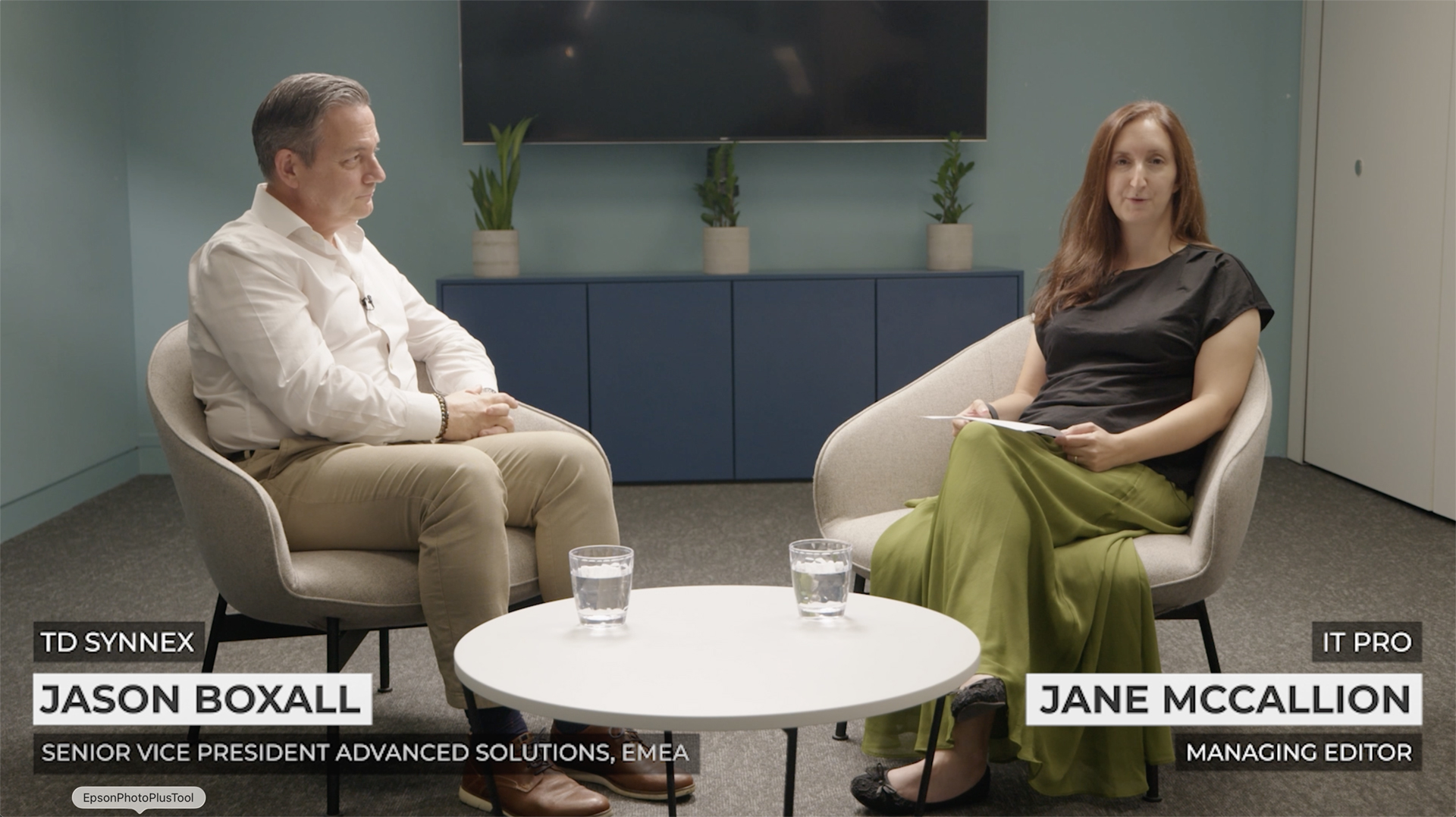 Driving outcomes over hardware: building the partner of the future
ITPro and TD SYNNEX discuss how orchestrating AI, cloud, and security is reshaping the channel landscape


-
 Forward deployed engineers are big tech’s latest gambit to drive AI adoption
News With Microsoft and AWS placing their faith in forward deployed engineers, enterprises will gain a helping hand with tricky AI adoption projects
-
 Why is Windows 11 so disliked by programmers – and can Microsoft do anything to change things?
Windows isn't the most useful OS in the eyes of developers, with programmers preferring macOS or Linux. But is its bad reputation uncalled for?
-
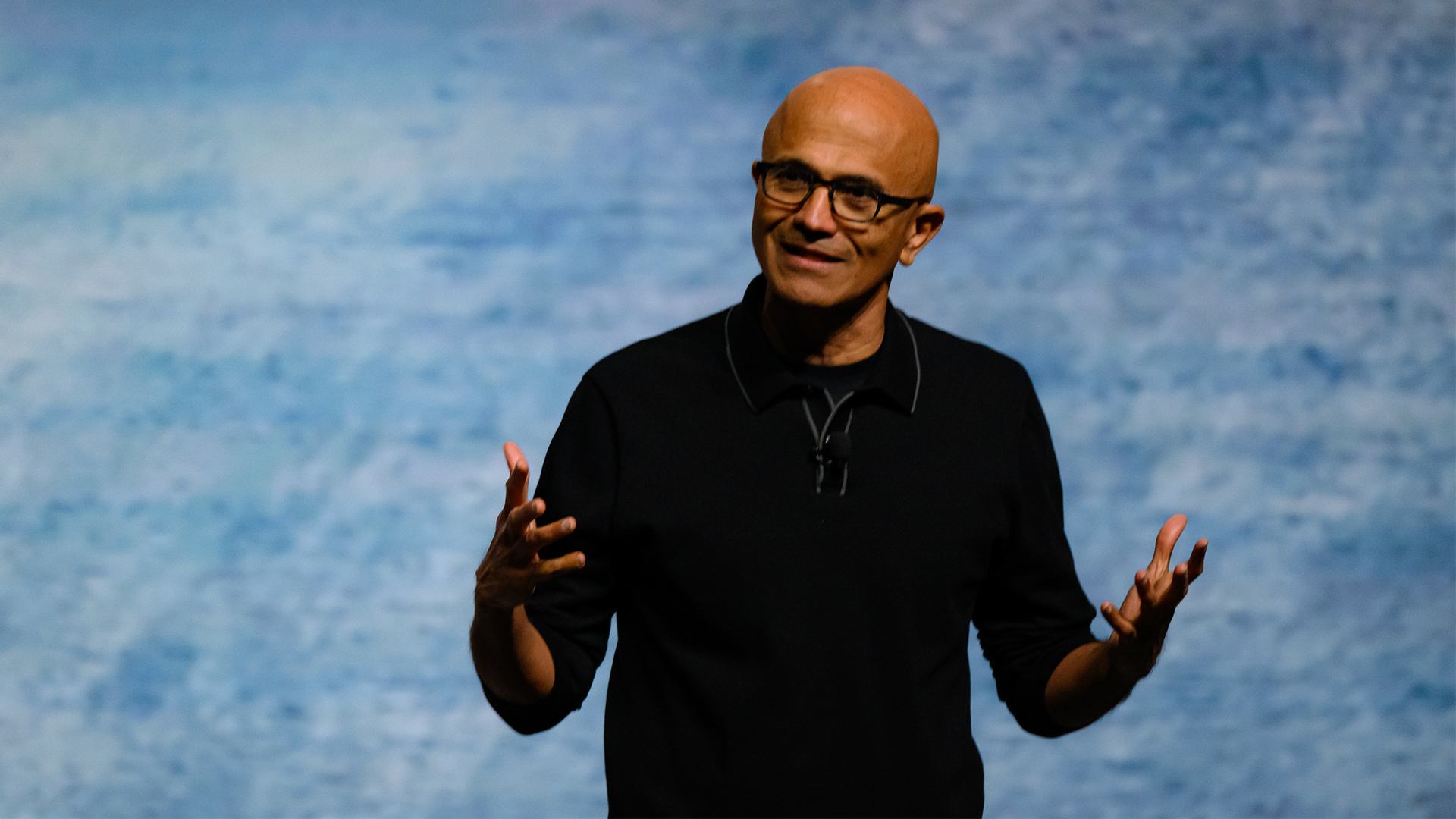 'We are focused on fundamentals, prioritizing quality, and serving our core users better': Satya Nadella teases big Windows improvements – and changes could come this year
News Satya Nadella told analysts that Microsoft is doing “foundational work to win back fans” across Windows, Xbox, Bing, and Edge
-
 Microsoft pats itself on the back over European commitments
News The company says it's been working to boost the bloc's digital sovereignty and resilience
-
 "For years, Microsoft's practices have had real financial impact on both public and private organizations" – Microsoft faces new legal challenge over licensing practices
News A lawsuit alleging the company overcharged thousands of UK businesses using Windows Server on rival cloud services has been given the go-ahead
-
 Microsoft touts “cost effective” cloud PC prices for small businesses as hardware prices spike
News The tech giant is targeting small business gains with a 20% cut for Windows 365 Cloud PC services
-
 CMA launches Microsoft probe amid software licensing concerns
News The regulator hopes to “ensure a level playing field” when it comes to competition in the business software market
-
Microsoft pledged to simplify Windows 11 updates – it just paused a preview over installation errors
News Two weeks after pledging to improve Windows 11 updates, a preview suffers installation issues


