Big tech is clamping down on open source ‘AI slop’ reports
Firms including Microsoft, OpenAI, and Google have pledged funding to bolster open source security and cut down on slop reports


-
 Qnap TS-432XeU review
Reviews Some compromises, but Qnap's little rack NAS is an affordable choice for small businesses with limited budgets and office space
-
 Slicing through the static: why data quality is the channel’s ultimate competitive advantage
Industry Insights There's real risk from fragmented telemetry for channel partners...


-
 GitHub outage blamed on misconfigured policy as firm pledges resilience improvements
News “Network saturation” in a key data center hosting location sparked the lengthy GitHub outage earlier this week
-
 Vibe coding startup Cursor just launched a GitHub alternative – here's what users can expect
News Cursor could muscle in on GitHub’s dominance, but the startup has its work cut out
-
 The GitHub outage explained: What happened, who was affected, and how long did it last?
News An eight-hour GitHub outage saw an error rate of 50% for repo downloads and major disruption to Actions, APIs, and Copilot
-
 Forward deployed engineers are big tech’s latest gambit to drive AI adoption
News With Microsoft and AWS placing their faith in forward deployed engineers, enterprises will gain a helping hand with tricky AI adoption projects
-
 Why is Windows 11 so disliked by programmers – and can Microsoft do anything to change things?
Windows isn't the most useful OS in the eyes of developers, with programmers preferring macOS or Linux. But is its bad reputation uncalled for?
-
 Anthropic is increasing Claude Code usage limits — here’s everything you need to know
News The new deal will help Anthropic increase Claude Code usage limits, and API rate limits for Claude Opus models
-
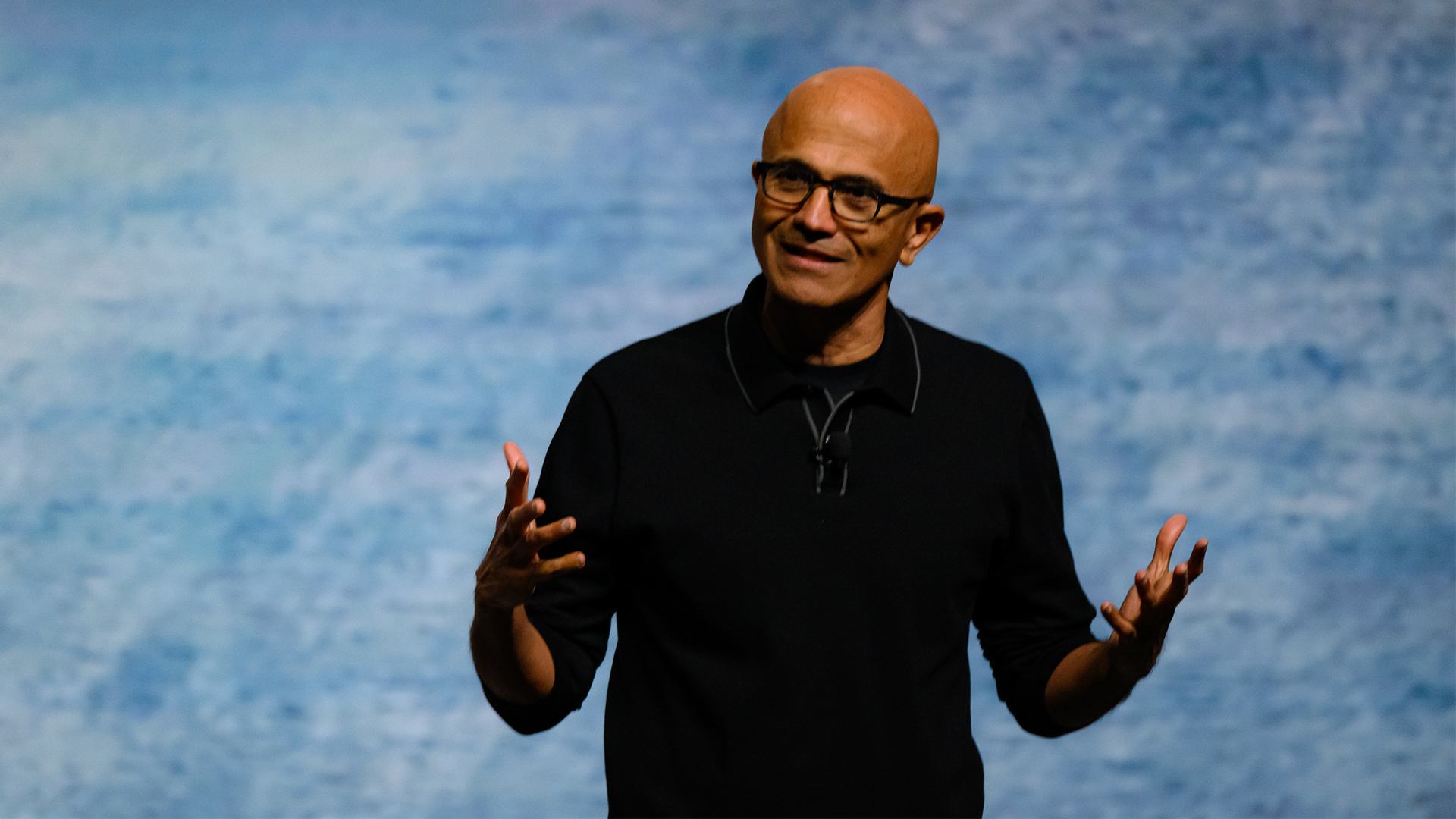 'We are focused on fundamentals, prioritizing quality, and serving our core users better': Satya Nadella teases big Windows improvements – and changes could come this year
News Satya Nadella told analysts that Microsoft is doing “foundational work to win back fans” across Windows, Xbox, Bing, and Edge
-
 Microsoft pats itself on the back over European commitments
News The company says it's been working to boost the bloc's digital sovereignty and resilience


