Databricks and Anthropic are teaming up on agentic AI development – here’s what it means for customers
Simplifying agentic AI adoption is the name of the game for Databricks
Sign up today and you will receive a free copy of our Future Focus 2025 report - the leading guidance on AI, cybersecurity and other IT challenges as per 700+ senior executives
You are now subscribed
Your newsletter sign-up was successful
Databricks has announced a landmark partnership with Anthropic to provide the firm’s flagship models on its Data Intelligence Platform.
The five-year partnership will see Anthropic’s Claude model family offered directly to over 10,000 enterprise customers, the duo said.
Databricks revealed the partnership will also include access to Anthropic’s newest frontier model, Claude 3.7 Sonnet, a hybrid reasoning model fine-tuned for coding-related tasks.
The aim of the tie up is to drive adoption of AI agents and simplify the process, according to Databricks.
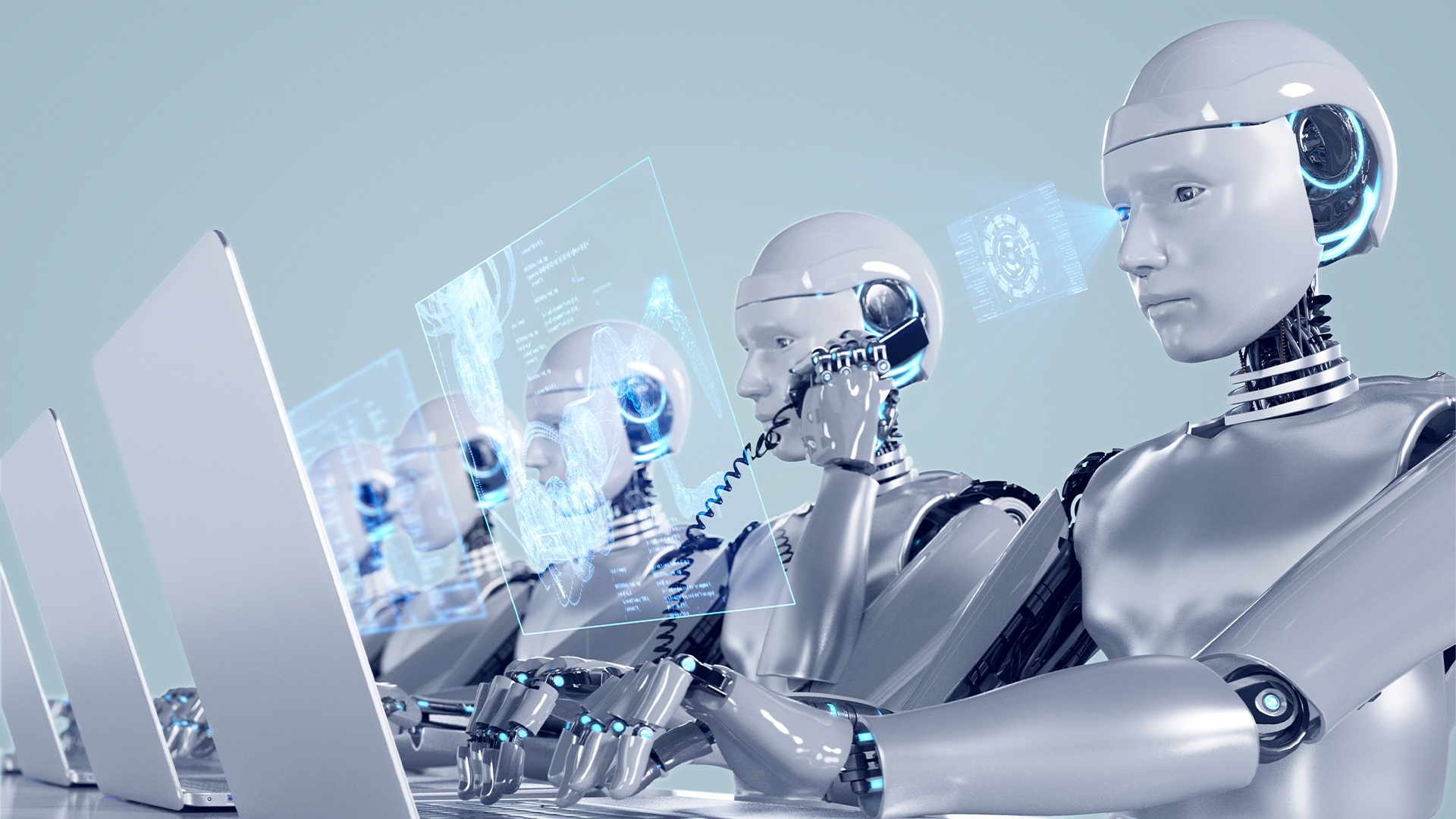
Agentic AI has rapidly become the industry’s latest big trend, enabling enterprises to create ‘agents’ that can either operate autonomously in place of a human worker, or in a supporting role.
A host of major industry players have ramped up agentic AI offerings in recent months, with Salesforce having struck an early lead on this front in September last year. Microsoft, Oracle, Google, OpenAI, and others have all since jumped on the bandwagon, building out their own offerings.
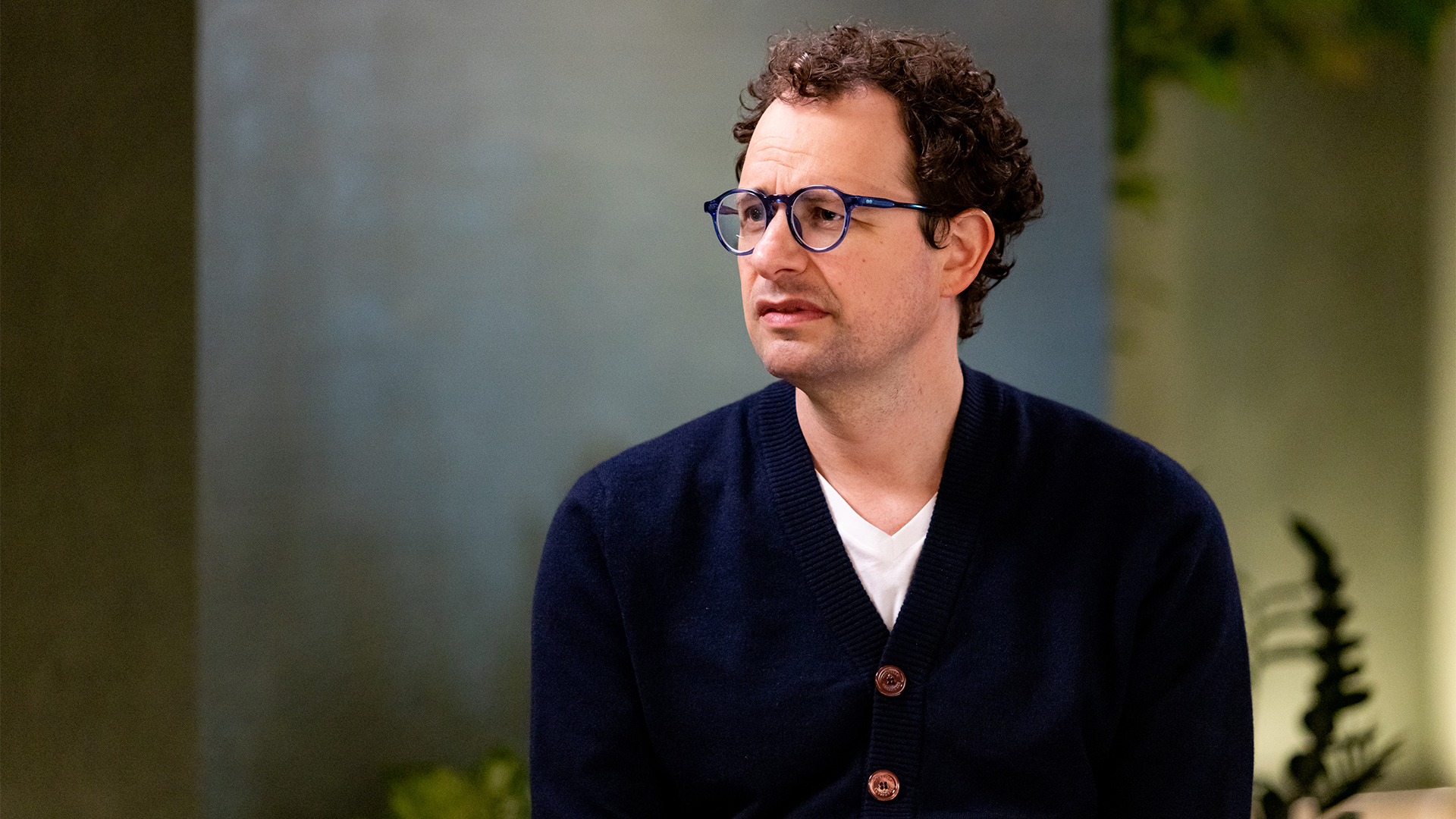
Dario Amodei, CEO and co-founder of Anthropic, said the rise of AI agents marks a step change in the evolution of the technology, and he anticipates the trend will continue to gather pace across 2025.
Sign up today and you will receive a free copy of our Future Focus 2025 report - the leading guidance on AI, cybersecurity and other IT challenges as per 700+ senior executives
“At Anthropic, we're watching AI transform businesses right now - not as some future promise," he said.
“This year, we'll see remarkable advances in AI agents capable of working independently on complex tasks, and with Claude now available on Databricks, customers can build even more powerful data-driven agents to stay ahead in this new era of AI.”
However, while interest in agentic AI is surging, Databricks says many enterprises are struggling to build, deploy, and evaluate agents. It’s here that Databricks believes the combination of its own Mosaic AI platform and Anthropic’s models could be a game changer for users.
Ali Ghodsi, co-founder and CEO of Databricks, said giving users a combined toolkit will not only enable them to build agents tailored on their unique datasets, but also improve the efficiency of the process by drawing on Anthropic’s Claude models, which are optimized for real-world tasks.
“We are bringing the power of Anthropic models directly to the Data Intelligence Platform – securely, efficiently, and at scale – enabling businesses to build domain-specific AI agents tailored to their unique needs. This is the future of enterprise AI,” he said.
What can Databricks customers expect from the Anthropic deal?
As part of the deal, Anthropic models will be embedded within Databricks’ Data Intelligence Platform.
Available through SQL query and model endpoint, the firm said Claude models will “seamlessly integrate” into the platform, meaning they won’t have to replicate data manually.
This, the firm noted, will help reduce costs and create a more streamlined experience for enterprise users. Enterprises can also customize these models with retrieval augmented generation (RAG), enabling them to fine-tune models with their in-house data.
Elsewhere, security is a key consideration, the two firms said. The partnership will combine Anthropic’s ‘Constitutional AI’ approach to responsible development with Databricks’ Unity Catalog.
The latter of these is an open governance solution aimed specifically at driving safe development of AI.
“Customers gain unparalleled end-to-end governance across their data and AI assets, and can automatically enforce proper access controls, set rate limits to manage costs and track lineage throughout the entire AI workflow,” Databricks said in a statement.
Enterprises can also implement safety guardrails, according to Databricks, allowing them to monitor for potential misuses and ensure AI systems work within “defined ethical boundaries”.
MORE FROM ITPRO

Ross Kelly is ITPro's News & Analysis Editor, responsible for leading the brand's news output and in-depth reporting on the latest stories from across the business technology landscape. Ross was previously a Staff Writer, during which time he developed a keen interest in cyber security, business leadership, and emerging technologies.
He graduated from Edinburgh Napier University in 2016 with a BA (Hons) in Journalism, and joined ITPro in 2022 after four years working in technology conference research.
For news pitches, you can contact Ross at ross.kelly@futurenet.com, or on Twitter and LinkedIn.
-
Low-budget devices are the biggest casualty of the RAM crisisNews Say goodbye to budget devices; vendors are doubling down on high-end options to absorb costs
-
Sectigo taps Clint Maddox to lead global field operationsReviews The appointment follows a year of strong momentum for the security vendor as it expands its global channel footprint
-
Microsoft has a new AI poster child in Anthropic – and it’s about timeOpinion Microsoft is cosying up to Anthropic at a crucial time in the race to deliver on AI promises
-
Anthropic's Claude Cowork tool is coming to Microsoft CopilotNews The new Copilot Cowork tool will be made available through a new Microsoft 365 tier at the end of March
-
Will AI hiring entrench gender bias?ITPro Podcast This International Women's Day, it's more important than ever to consider the inherent biases of training data
-
Salesforce targets telco gains with new agentic AI toolsNews Telecoms operators can draw on an array of pre-built agents to automate and streamline tasks
-
February rundown: SaaS-pocalypse now?ITPro Podcast Geopolitical uncertainty is intensifying public and private sector focus on true sovereign workloads
-
Anthropic promises ‘Opus-level’ reasoning with new Claude Sonnet 4.6 model – and all at a far lower costNews The latest addition to the Claude family is explicitly intended to power AI agents, with pricing and capabilities designed to attract enterprise attention
-
Kyndryl wants to help enterprises keep AI agents in line – and avoid costly compliance blundersNews Controls become machine‑readable policies that AI agents can read and must obey
-
Anthropic reveals Claude Opus 4.6, an enterprise-focused model with 1 million token context window for extended code capabilitiesNews The AI developer highlighted financial and legal tasks, as well as agent tool use, as particular strengths for the new model