Google: we need more energy for AI
Alphabet president calls for US to step up power generation to feed her company's AI ambitions
Sign up today and you will receive a free copy of our Future Focus 2025 report - the leading guidance on AI, cybersecurity and other IT challenges as per 700+ senior executives
You are now subscribed
Your newsletter sign-up was successful
The US needs to accelerate its power generation – from any source possible – to feed the growing demand from AI data centres, a move which could further disrupt net-zero goals.
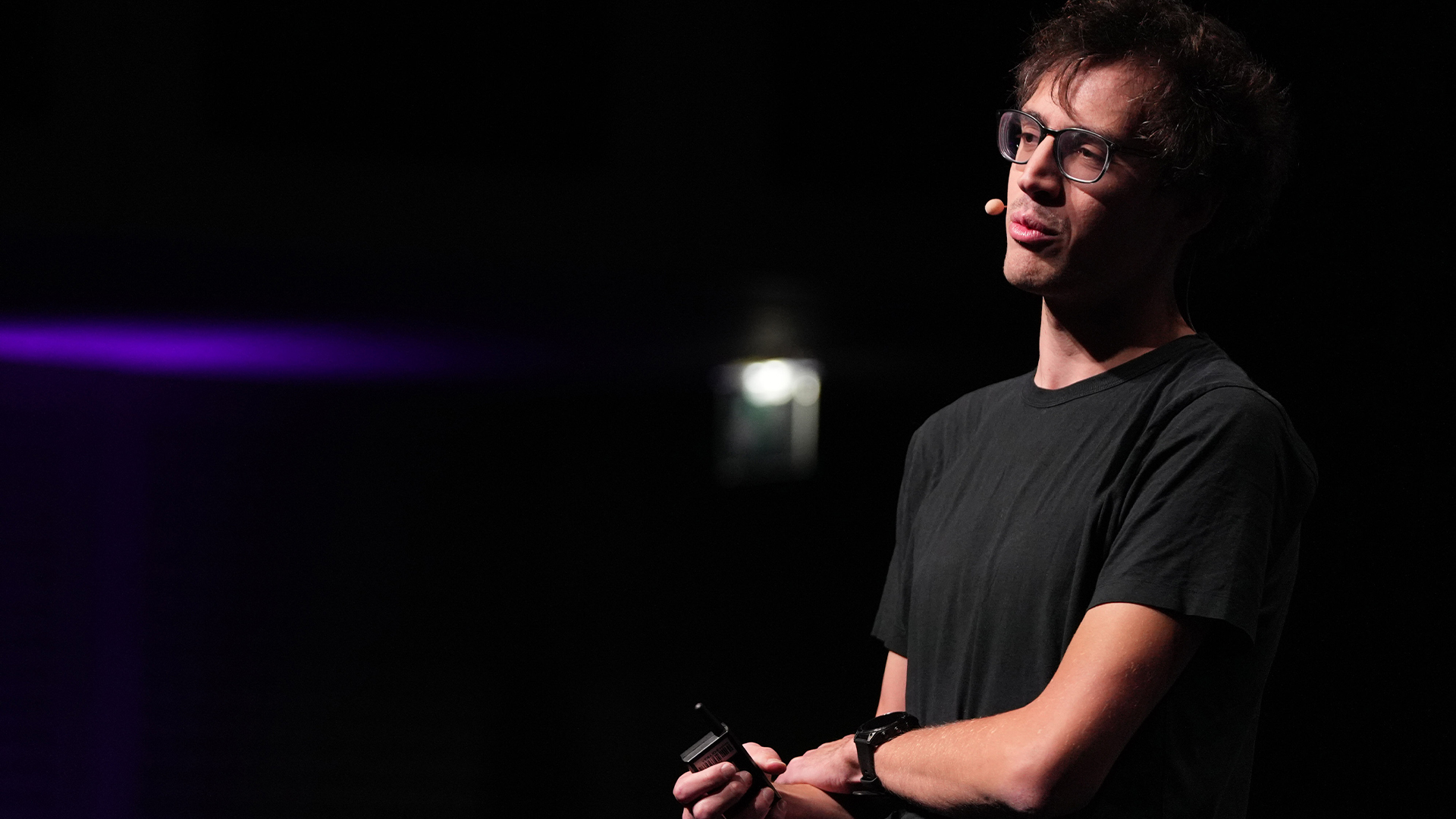
That's according to Ruth Porat, president and chief investment officer of Google parent Alphabet, told the CeraWeek conference that her company worried that not enough was being done to supply energy for AI infrastructure.
"We are concerned that we are not full throttle on energy," she said at an energy conference in Houston, according to Reuters. She later added that the US will need every possible source of energy to meet the demands of AI and data centres required to power them.
The rise of AI has led to a boom in data centres, which has strained power supplies and grids in Europe, the US, and the UK – meeting the demand could cost hundreds of billions, noted McKinsey in a report.
Bring your own power
To help mitigate the challenge, Trump last month forced Big Tech companies to agree to generate their own power for data centres, to avoid driving up energy prices any further.
"This means that the tech companies and the data centers will be able to get the electricity they need, all without driving up electricity costs for consumers," Trump said at the pledge signing event.
While that agreement addresses a range of issues, many Big Tech companies were already sourcing their own energy: Google has cut deals with modular nuclear companies as well as geothermal providers, with Meta also turning to geothermal, and Microsoft and Amazon both turning to nuclear plants for power.
Sign up today and you will receive a free copy of our Future Focus 2025 report - the leading guidance on AI, cybersecurity and other IT challenges as per 700+ senior executives
Google has also agreed to pause data centres when grids are overloaded in two US states.
Climate vs AI
However, the US government has already pushed for the use of all available sources of energy, leading to a massive uptick in the use of gas for electricity generation – suggesting the race for AI will disrupt the drive to renewable energy in the face of the climate crisis. Indeed, research has suggested the data centre industry's emissions will triple by 2030.
Porat's call to use all sources of energy, regardless of environmental impact, runs counter to Alphabet's own efforts to decarbonise, with data centres driving a 25% increase in the use of gas for electricity production in the US in the last two years alone.
Indeed, in 2024, Google admitted its own carbon emissions had leapt by 50% over the previous five years despite significant efforts to reach net zero, largely driven by data centre building projects.
Google isn't the only company to turn away from green goals in favour of AI. Microsoft co-founder Bill Gates said in 2024 that the impact of data center energy demands wasn't worth worrying about. "Let's not go overboard on this," Gates said. "Datacentres are, in the most extreme case, a 6% addition [in energy demand] but probably only 2% to 2.5%. The question is, will AI accelerate a more than 6% reduction? And the answer is: certainly."
But electricity demand is climbing and AI hasn't yet supplied any answers to mitigate the impacts of the climate crisis. AI infrastructure could use up a quarter of the UK's electricity within the next four years, effectively derailing net zero plans. Campaigners have called for data centres to undergo stricter environmental impact assessments and be more open about their energy use.
Freelance journalist Nicole Kobie first started writing for ITPro in 2007, with bylines in New Scientist, Wired, PC Pro and many more.
Nicole the author of a book about the history of technology, The Long History of the Future.
-
Channel partners are sleepwalking into an AI code generation trapIndustry Insights Channel partners risk security failures by deploying AI code tools without proper validation
-
Observability will be key to agentic AI safety, says Microsoft Security execNews Agentic AI adoption will require a re-evaluation of enterprise risk management, according to Microsoft corporate VP
-
Scottish government sets out AI plans for the next five yearsNews Deputy first minister Kate Forbes says the aim is to establish Scotland as a world leader in the technology
-
Swamped with decisions to make, managers turn to AINews Worryingly, many UK leaders are outsourcing key judgments to AI, despite a lack of data
-
Empowered Intelligence: The Impact of AI Agents -
Businesses finding it hard to distinguish real AI from the hype, report suggestsNews An Ernst & Young survey finds that CEOs are working to adopt generative AI, but find it difficult to develop and implement
-
Otter.ai wants to bring agents to all third party systems – with transcription just the startNews The AI transcription company is targeting intelligent scheduling and interoperability with project management systems, based on securely-stored transcription data
-
Is ChatGPT making us dumber? A new MIT study claims using AI tools causes cognitive issues, and it’s not the first – Microsoft has already warned about ‘diminished independent problem-solving’News A recent study from MIT suggests that using AI tools impacts brain activity, with frequent users underperforming compared to their counterparts.
-
HPE's AI factory line just got a huge updatenews New 'composable' services with Nvidia hardware will allow businesses to scale AI infrastructure
-
Microsoft says AI tools such as Copilot or ChatGPT are affecting critical thinking at work – staff using the technology encounter 'long-term reliance and diminished independent problem-solving'News Research from Microsoft suggests that the increased use of AI tools at work could impact critical thinking among employees.